Home Blog Page 10

Hickory Nut Oil

0

Derived from a tree belonging to genus “Carya” is an essential oil known as Hickory Nut Oil. This oil is basically extracted from a tree called Hickory belonging to the “Carya Tomentosa” species in the plant kingdom. Furthermore, this oil is basically extracted from the tree nuts which are crushed to form a paste, to which water is added and boiled. The water is then strained and separated from the oil which is retained.  In addition, this oil also comprises of an extremely pleasant taste.

A. Chemical constituents of the Hickory Nut Oil:

This oil is extracted from nuts of a tree known as Hickory belonging to the “Carya Tomentosa” species within the plant kingdom. In addition, the nut used to derive this oil includes organic components such as carbohydrates, fats, proteins, vitamins, and minerals.

B. The uses and benefits of the Hickory Nut Oil:

There are a number of benefits to using this essential oil. However, one should also consider the adverse reactions or side effects reported from its use:

1. Weight gain:

This oil when used is capable of helping an individual gain weight as quickly as possible by providing for lots of calories.

2. Maintaining Cholesterol level:

This oil possesses a medicinal property that helps in maintaining normal cholesterol levels, and thereby lowering the chances of an individual suffering from a heart attack or developing a condition known as arteriosclerosis.

3. Digestive:

This oil also consists of a curative property that helps in stimulation of normal digestion. Furthermore, it does so by eradicating constipation and reducing flatulence i.e. gas formation in the GI tract.

4. Increasing metabolic activity:

Due to the presence of high concentration of vitamin B1 level this oil when used helps in increasing the metabolism of body by stimulating the proper functioning of the muscles, heart, and nervous system.

5. Energy stimulant:

This oil when used also serves as an “energy stimulant” since it consists of sugars that can be broken down by the system thereby stimulating the production of instant energy.

C. The adverse effects of the Hickory Nut Oil:

There is one major adverse effect that can be acquired by using this oil. It is as follows:

  1. The use of this oil could lead to allergic reactions especially in individuals who are allergy sensitive.
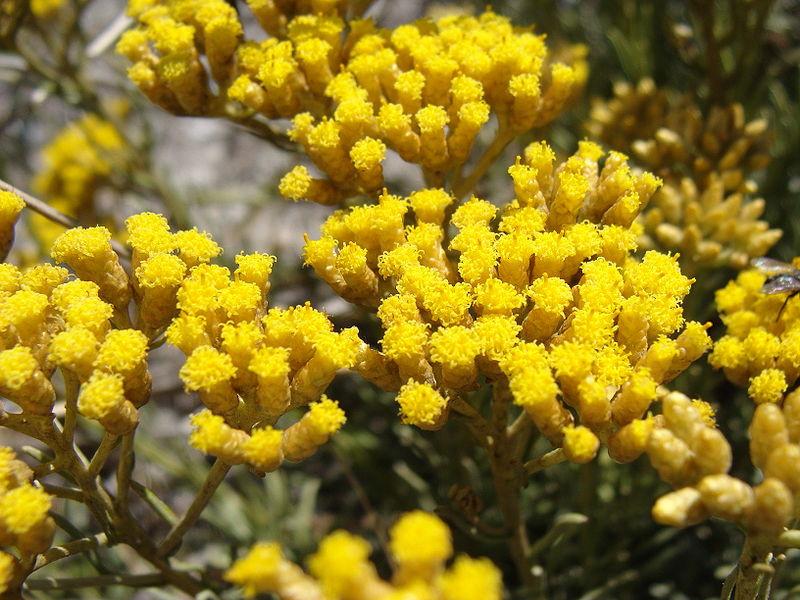
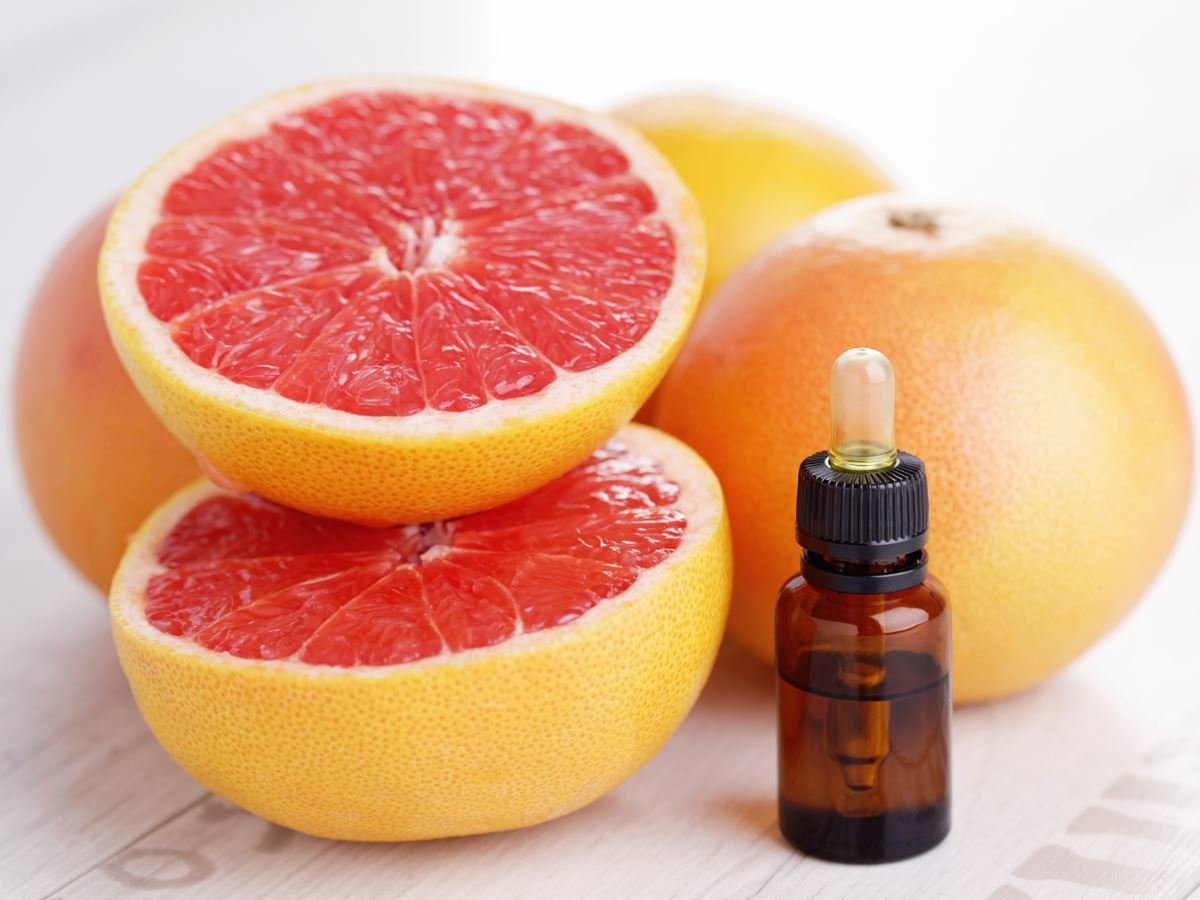
image credit

Helichrysum Oil

0

Extracted from a shrub belonging to the “Helichrysum” genus is an essential oil known as Helichrysum Oil.  This oil is obtained from a shrub that belongs to the “Helichrysum italicum” species within the plant kingdom. Furthermore, the plant from which this oil is obtained is apparently found in European countries such as France, Italy etc. In addition, this oil possesses a long shelf life, and hence can be stored for a longer period of time than other oils.

A. Chemical constituents of the Helichrysum Oil:

This oil is extracted from a shrub belonging to the “Helichrysum italicum” species within the plant kingdom. In addition, this essential oil comprises of organic compounds that include a-pinene, camphene, b-pinene, myrcene, limonene, 1,8-cineole, linalool, terpinen-4-ol, neryl acetate, nerol, geraniol, eugenol, italidone and other b-diketones.

B. The uses and benefits of the Helichrysum Oil:

There are a few benefits that one can gain by using this essential oil. However, one should also consider the adverse reactions or side effects reported from its use:

1. Antispasmodic:

This oil when used serves as an “antispasmodic” by exhibiting properties that suppress muscle spasms that occur in the respiratory tract, nerves, intestines etc.

2. Anticoagulant:

This oil when used is also capable of reducing the coagulation of blood, extending the clotting time, and thereby serving as an anticoagulant. Furthermore, this oil is a blessing especially for those individuals who are prone to heart attacks due to presence of a high cholesterol level in the blood.

3. Antiallergenic:

This oil also possesses an “antiallergenic” property and thereby when used helps in preventing allergic reactions.

4. Anti-inflammatory:

This oil also consists of an “anti-inflammatory” property which when used helps in suppressing inflammation and swelling.

5. Expectorant:

This oil also helps stimulating the expulsion of waste such as mucus formation and phlegm out of the body, and thereby serves as an expectorant.

C. The adverse effects of the Helichrysum Oil:

There is one major adverse effect that could occur as a result of using this oil. It is as follows:

This oil when used as an anticoagulant could cause internal hemorrhaging especially in individuals who have undergone surgery. Hence such individuals must avoid using this oil.

image credit

Henna Oil

0

Extracted from a tree known as “Henna” is an essential oil referred to as Henna Oil. This oil is derived from a “dye” obtained from a plant belonging to the “Lawsonia inermis” species in the plant kingdom. Furthermore, this oil is basically extracted from the leaves and twigs of the plant using a process known as “steam distillation”. In addition, this oil has been used for over thousand years in the Asian cultures especially in countries such as India.

 A. Chemical constituents of Henna Oil:

This oil is basically extracted from a “dye” derived from a plant known as “Henna tree” belonging to a species known as “Lawsonia inermis” within the plant kingdom. In addition, this oil also consists of organic compounds such as ethyl hexadecanoate, methyl cinnamate, isocaryophyllene, ß-ionone and methyl linolenate.

 B. The uses and benefits of Henna Oil:

There are number of benefits related to health that one can acquire by using this essential oil. However, one should also consider the adverse reactions or side effects reported from its use:

1. Anti-inflammatory:

This oil comprises of a medicinal property that helps in suppressing inflammation or swelling in the body, and thereby serves as an anti-inflammatory.

2. Analgesic:

This oil also consists of a curative property that helps in providing relief from pain caused by headaches, and thereby serves as an analgesic.

3. Hair health:

This oil also contains a medicinal property that ensures the maintenance of good hair health by preventing dandruff, and also by inhibiting the process of hair loss.

3. Astringent:

This oil when used also helps in inhibiting wrinkles formed on skin and reduces aging, thereby serving as an astringent.

4. Hypnotic:

This oil when used is also capable of inducing sleep in those individuals who are “insomniac”, and thereby serves as a hypnotic.

C. The adverse effects of Henna Oil:

There is one major adverse effect that could occur on using this essential oil. It is as follows:

  1. The use of this oil could lead to allergic reactions such as rashes on the skin especially in a few individuals possessing sensitive skin.

Grapefruit Oil

0

Extracted from a “citrus tree” is an essential oil known as Grapefruit Oil. This oil is derived from a subtropical citrus tree belonging to the “Citrus paradisi” species within the plant kingdom.  Furthermore, this oil is obtained from the peel of a fruit known as “Grapefruit” using the process of “compression”. In addition, this fruit used to extract the oil is also scientifically known as “Citrus Racemosa” and “Citrus Maxima”.  It is also said to comprise of the same chemical components belonging to oils that have been extracted from other citrus fruits.

A. Chemical constituents of the Grapefruit Oil:

This oil basically has been derived from the peel of a citrus fruit belonging to the “Citrus paradisi” species within the plant kingdom. In addition, this oil also comprises of organic compounds such as Limonene, Alpha Pinene, Sabinene, Myrcene, Geraniol, Linalool, Citronellal, Decyl Acetate, Neryl Acetate and Terpineol. However, it is Limonene and Myrcene that form that major constituents of this oil.

B. The uses and benefits of the Grapefruit Oil:

There are a few health benefits that can one can acquire on using this oil. However, one should also consider the adverse reactions or side effects reported from its use:

1. Diuretic:

This oil comprises of a curative property that enables the removal of waste material from the body such as kidney stone, excessive fat etc by stimulating the increase of urination, and thereby serves as a diuretic.

2. Appetizer:

This oil when used is also capable of inducing a good appetite, and thereby serves as an appetizer.

3. Antidepressant:

This oil also consists of a curative property that helps in inhibiting issues related to the central nervous system such as depression, and thereby serves as an antidepressant.

4. Antiseptic:

This oil also comprises of a medicinal property that helps inhibit the growth of microorganism, treat internal and external wounds, and thereby serve as an antiseptic.

5. Stimulant:

By promoting the normal secretion of hormones and enzymes this oil when used stimulates the body and mind, and thereby serves as a stimulant.

C. The adverse effects of the Grapefruit Oil:

There are a number of adverse effects that could occur while using this oil:

  1. The use of this oil could lead to skin irritation especially in individuals who have sensitive skin.

The usage of this oil may severely affect pregnancy, and thereby pregnant women must avoid using it.

image credit

Goldenrod Oil

0

Extracted from a flowering plant species known as “Solidago” is an essential oil known as Goldenrod Oil. This oil is extracted from the herbaceous perennial plant family belonging to a species known as “Solidago canadensis” within the plant kingdom. Furthermore, this essential oil is extracted using the process of “steam distillation”. In addition, the word “Solidago” literally when translated means “to make whole”. This oil when used possesses a relaxing and calming effect on the body.

A. Chemical constituents of Goldenrod Oil:

This oil is extracted from the herbaceous perennial plant family belonging to a species known as “Solidago canadensis” within the plant kingdom. In addition, this oil also comprises of organic compounds such as saponins, clerdane diterpenes, phenolic glucosides, flavanoids etc.

B. The uses and benefits of Goldenrod Oil:

There are a few health benefits that one can acquire by using this oil. However, one should also consider the adverse reactions or side effects reported from its use:

1. Antifungal:

This oil comprises of a medicinal property that enables the inhibition of the growth of fungal infections within the body, and thereby serves as an anti-fungal agent.

2. Anti-inflammatory:

This oil also consists of a curative property that helps in the suppression of inflammation or swelling in the body, and thereby serves as anti-inflammatory agent.

3. Diuretic:

This oil comprises of medicinal properties that helps in flushing out waste materials such as kidney stone, excess fat etc from the body by stimulating the increase of urination.

4. Carminative:

This oil when used also exhibits properties that helps in resolving issues related to gas formation i.e. flatulence within the intestines, and thereby serve as a carminative.

5. Expectorant:

The oil when used is also capable of expelling mucus and phlegm formed within the respiratory system from the body, and thus serves as an expectorant.

C. The adverse effects of the Goldenrod oil:

There are a number of adverse effects that one may experience while using this oil. These effects are as follows:

  1. The use of this oil could lead to adverse allergic reactions.
  2. The usage of this oil could cause heartburn and also induce vomiting.
  3. The use of this oil can severely affect pregnancy, and thereby pregnant women should avoid using it.

image credit

Ginger Oil

0

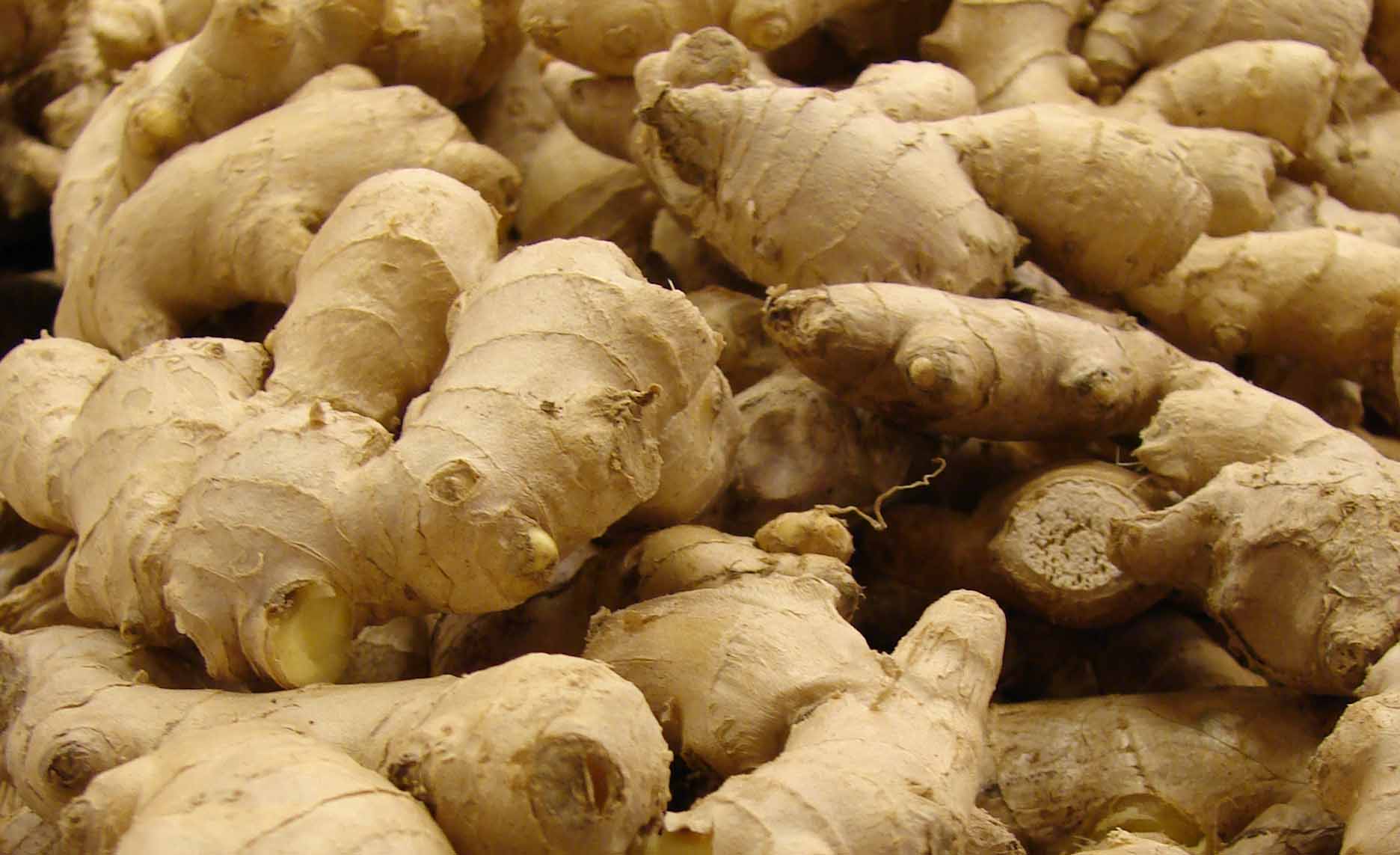
Obtained from a “flowering plant” is an essential oil known as Ginger Oil. This oil is extracted from a rhizome of a herbaceous perennial plant belonging to a species known as “Zingiber officinale” in the plant kingdom. Furthermore, since this oil consists of a “digestive” property it is used very commonly in food in the Asian region. In addition, this oil is also frequently used as a preservative as well as a flavouring agent.

A. Chemical constituents of Ginger Oil:

This oil is extracted from the rhizome of a flowering plant belonging to a species known as “Zingiber officinale” within the plant kingdom. In addition, this oil mainly comprises of organic compounds such as zingerone, shogoals, and gingerols.

B. The uses and benefits of Ginger Oil:

There are a number of benefits that an individual can gain by using this essential oil. However, one should also consider the adverse reactions or side effects reported from its use:

1. Digestive:

This oil which when used helps in maintaining a healthy digestive system by stimulating a normal peristaltic motion within the intestines.

2. Carminative:

This oil when used is also capable of resolving issues related to gas formation in the intestines i.e. flatulence, and thereby serve as a carminative.

3. Expectorant:

This oil also helps in expelling the mucus and phlegm formed within the respiratory system out of the body, and thereby serves as an expectorant.

4. Antiseptic:

This oil when used also helps in treating internal and external wounds by destroying the growth of microbes, and thereby serving as an antiseptic.

5. Analgesic:

This oil possesses an “analgesic” property which helps in relieving pain caused by fever, headaches, body pains etc, and thereby serves as an analgesic.

C. The adverse effects of the Ginger Oil:

There are a couple of adverse effects that could occur on using this oil. These effects are as follows:

  1. The use of this oil could lead to an allergic reaction in the form of a rash, and hence must be used carefully.
  2. The use of this oil could also lead to heartburn, and hence must be used in the proper dosage.

image credit

Geranium Oil

0

Derived from a plant species known as “Pelargonium” is an essential oil known as Geranium Oil. This oil is extracted from the stems and the leaves and of a plant belonging to a species known as “Pelargonium Odorantissimum”. Furthermore, this oil for its useful medicinal properties is frequently used in aromatherapy. In addition, this oil is extracted from stems and leaves using the “steam distillation” process. This oil is also said to comprise of over 50 organic compounds.

A. Chemical constituents of Geranium Oil:

This oil is extracted from stems and leaves of a plant belonging to a species known as “Pelargonium Odorantissimum”. In addition, this oil mainly comprises of organic compounds such as Alpha Pinene, Myrcene, Limonene, Menthone, Linalool, Geranyl Acetate, Citronellol, Geraniol and Geranyl Butyrate.

B. The uses and benefits of Geranium Oil:

There are a number of benefits that an individual can gain by using this oil. However, one should also consider the adverse reactions or side effects reported from its use:

1. Antiseptic:

This oil comprises of an “antiseptic” property which when used inhibits the growth of microorganisms, and thereby helps in the treatment of internal and external wounds.

2. Astringent:

This oil when used is capable of contracting body parts such as intestines, skin, tissues etc and thereby serves as an astringent.

3. Antibacterial:

Since this oil also consists of an “antibacterial” property it helps in the rapid healing of wounds by basically enabling the destruction of disease causing microbes.

4. Diuretic:

This oil also comprises of a “diuretic” property which when used helps in flushing out waste products such as kidney stone, excess fat etc from the body by stimulating the increase in urination.

5. Deodorizer:

This oil possesses an extremely pleasant aroma, and hence is commonly used to mask bad odour, and thereby serve as a deodorizer.

C. The adverse effects of the Geranium Oil:

There are number of adverse effects that may occur on using this oil. They are as follows:

  1. The use of this oil could lead to sensitivity issues in many individuals, and hence it must be used carefully.
  2. This oil usage is extremely harmful to pregnancy, and hence pregnant women must avoid using it.

image credit

Galbanum Oil

0

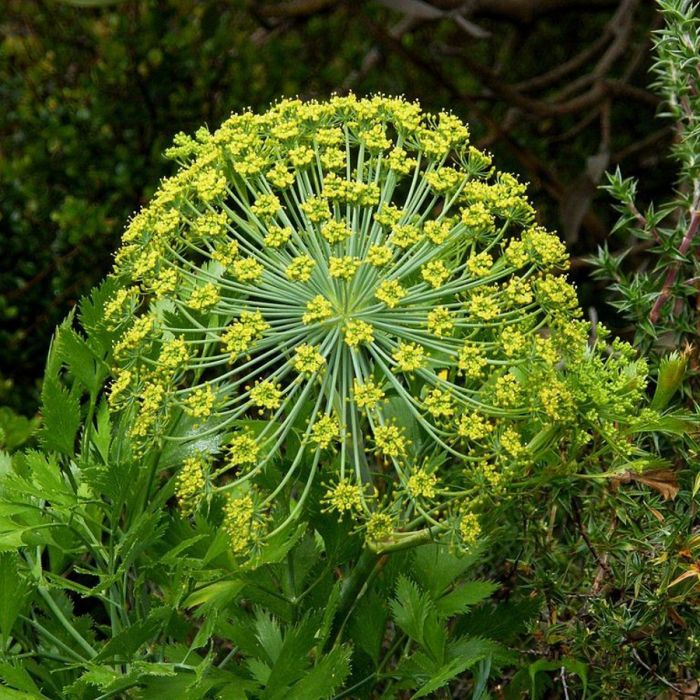
Extracted from a plant family belonging to Persia is an essential oil known as Galbanum Oil. This oil is extracted from an aromatic gum resin belonging to a species known as “Ferula gummosa” in the plant kingdom. Furthermore, this oil is derived from a gum resin using the process of “steam distillation”. In addition, this oil possesses an extremely pleasant odour, and hence is commonly used in the manufacturing of skin balms and perfumes.

A. Chemical constituents of Galbanum Oil:

This oil is basically extracted from a gum resin of a plant belonging to the “Ferula gummosa” species. In addition, it mainly consists of a colourless crystalline organic compound known as “umbelliferone”. Furthermore, this oil also comprises of organic compounds such as Alpha-pinene, Beta-pinene, limonene, cadinene, 3-carene, and ocimene.

B. The uses and benefits of Galbanum Oil:

There are a few benefits to using this oil originating from Persia. However, one should also consider the adverse reactions or side effects reported from its use:

1. Antispasmodic:

This oil comprises of a property that helps in inhibiting muscle spasms or cramps, and thereby serve as an antispasmodic.

2. Decongestant:

This oil is also capable of clearing out the congestion formed within the lungs when used, and thereby serve as a decongestant.

3. Insecticide:

This oil when used due to its aroma is capable of driving away insects such as cockroaches, mosquitoes, ants etc, and thereby serving as an insecticide.

4. Anti-parasitic:

This oil possesses an “anti-parasitic” property, and thereby when used is capable of inhibiting the growth of parasite within the body.

5. Stimulant:

This oil can also serve as a “stimulant” when used by promoting the stimulation of blood and lymph in the body, and thereby help treating conditions such as rheumatism, arthritis, and gout.

C. The adverse effects of Galbanum Oil:

There is just one adverse effect that could occur on using this essential oil. It is as follows:

  1. This oil if used in excess could lead to some adverse effects on the body, and hence it must be used accordingly.

image credit

Galangal Root Oil

0

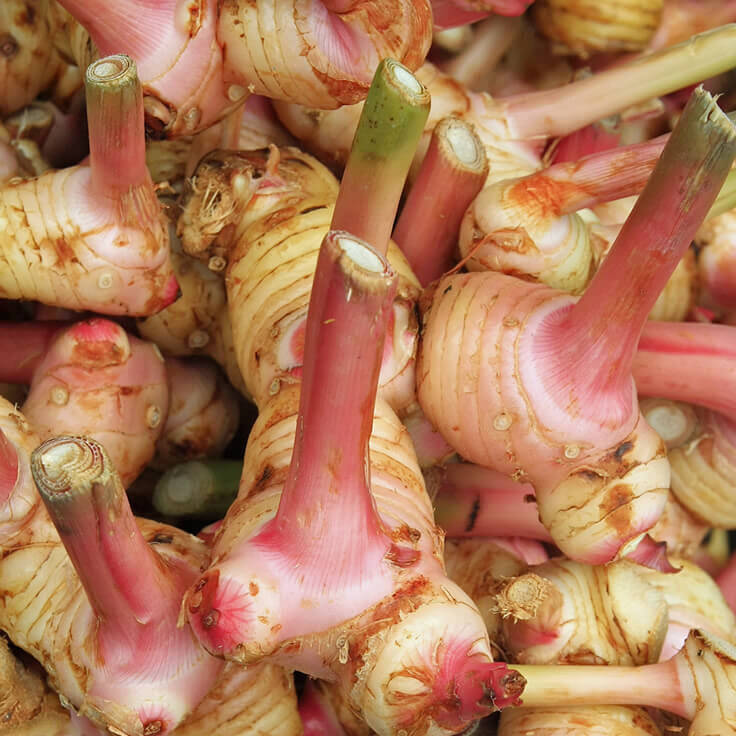
Also known as “false ginger” is an essential oil known as Galangal Root Oil. This essential oil is extracted from rhizome of a plant belonging to a species known as “Alpinia galangal” in the plant kingdom. Furthermore, this oil is extracted from a rhizome using the process of “steam distillation”. In terms of aroma, this oil is extremely similar to “camphor” and is light yellow in colour.  This oil is extremely popular in India, Middle East, and is mainly used for its medicinal properties.

A. Chemical constituents of Galangal Root Oil:

This oil is basically extracted from the rhizome of a plant known as “Galangal” belonging to the “Alpinia galangal” species in the plant kingdom. In addition, this oil mainly comprises of an organic compound known as “galangin” i.e. a flavonol.

B. The uses and benefits of Galangal Root Oil:

There are a number of benefits that an individual can experience by using this oil. However, one should also consider the adverse reactions or side effects reported from its use:

1. Digestive:

This oil when used is capable of enabling the maintenance of a good digestive system by stimulating a normal peristaltic movement in the intestines.

2. Carminative:

This oil possesses a curative property that when used helps in resolving issues related to gas formation i.e. flatulence within the intestines, and thereby serve as a carminative.

3. Antiviral:

This oil also possesses “antiviral” properties, and thereby when used helps in inhibiting growth of viruses in the body. It is extremely useful in treating viral infections such as bronchitis.

4. Decongestant:

This oil also serves as a “decongestant” when used, by enabling the clearing of the lungs.

5. Stimulant:

It also serves by promoting the “stimulation” of the human body by providing energy, and thereby helps in resolving issues such as fatigue.

C. The adverse effects of the Galangal Root Oil:

This oil when used can cause few adverse or unwanted effects for an individual. These effects are as follows;

  1. The use of this oil directly on skin can cause severe damage, and hence it must be diluted before use.
  2. The usage of this oil could also severely affect pregnancy, and hence pregnant women must avoid using it.

image credit

Fir Oil

0

Derived from a group of evergreen coniferous trees is an essential oil known as Fir Oil. This oil is extracted from a group of coniferous trees belonging to the genus Abies, and a species known as “Abies balsamea” in the plant kingdom. Furthermore, this oil is extracted from “fir needles” using the “steam distillation” process. In addition, this oil can be used for a variety of reasons such as detoxifying the body, providing relief from infections, improving respiration, promoting metabolism, and eliminating body odour.

A. Chemical constituents of Fir Oil:

This oil is extracted from a group of evergreen coniferous trees known as “Fir” belonging to the “Abies balsamea” species in the plant kingdom. Furthermore, this oil also comprises of organic compounds such as tricyclene, a-pinene, borneol, limonene, acetate, and myrcene.

B. The uses and benefits of Fir Oil:

There are a number of benefits to using this essential oil. However, one should also consider the adverse reactions or side effects reported from its use:

1. Analgesic:

This oil comprises of a curative property that helps in relieving pain, relaxing muscles that are aching, and thereby serves as an analgesic.

2. Expectorant:

This oil when used is also capable of stimulating the expulsion of mucous and phlegm formed within the respiratory system, and thereby serves as an expectorant.

3. Stimulant:

This oil also when used acts by promoting stimulation of the body by increasing the rate of functioning of systems such as digestive, cardiovascular, and thereby by providing added energy serves as a stimulant.

4. Antimicrobial:

This oil possesses an “antimicrobial” property and hence is commonly used to treat infections. In addition, it does so by destroying disease causing microbes.

5. Deodorizer:

This oil also comprises of property that enables the masking of bad odour, and hence can be used as a deodorant.

C. The adverse effects of the Fir Oil:

There is a major adverse effect that might occur on using this oil. It is as follows:

  1. The excessive use of this oil could lead to damage to the skin, and hence must be used with lots of care.

image credit