Home Blog Page 9

Lemongrass Oil

0

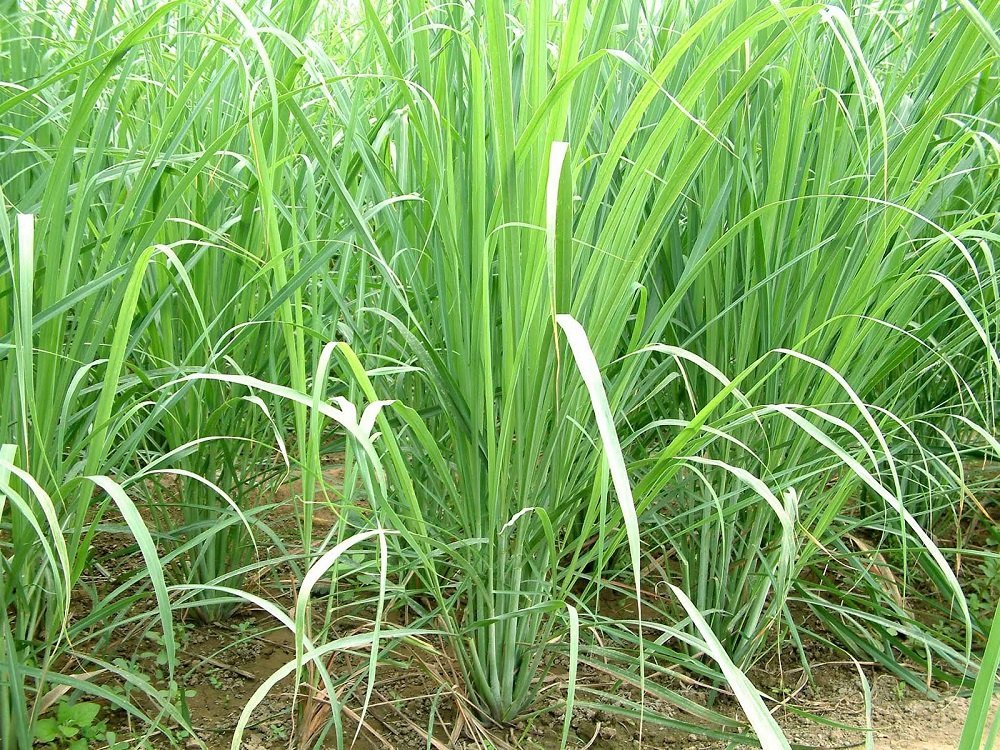
Obtained from a plant belonging to the “grass family” is an essential oil known as the Lemongrass Oil. This oil is basically extracted from a plant belonging to the “Cymbopogan citratus” species within the plant kingdom. Furthermore, this oil is widely used as flavouring agent in food in Asian countries such as China and Thailand. In addition, this oil possesses a fragrance similar to that of lemon, and is basically a little sweet and sour in taste.

A. Chemical constituents of Lemongrass Oil:

This oil is basically derived from a plant belonging to the “Cymbopogan citratus” species within the plant kingdom. Furthermore, this oil comprises of organic compounds such as Myrcene, Citronellal, Geranyl Acetate, Nerol, Geraniol, Neral, Limonene, and Citral.

B. The uses and benefits of Lemongrass Oil:

There are a few health benefits that an individual can gain by using this essential oil. However, one should also consider the adverse reactions or side effects reported from its use:

1. Analgesic:

This oil consists of an “analgesic” property and thereby functions by providing relief from pain caused by headaches, sprains etc.

2. Antidepressant:

This oil also possesses an “antidepressant” property which helps in uplifting an individual’s mood by suppressing depression.

3. Antipyretic:

This oil when used is also capable of inhibiting high fever by lowering the body temperature, and thereby serving as an antipyretic.

4. Antiseptic:

This oil consists of an “antiseptic” property and hence when used helps in treating internal and external wounds by destroying disease causing microbes.

5. Carminative:

This oil when used is also capable of resolving issues pertaining gas formation i.e. flatulence within the gastrointestinal system.

C. The adverse effects of the Lemongrass Oil:

There are a couple of adverse effects that may occur on using this oil. They are as follows:

  1. The usage of this oil could lead skin irritation especially in individuals who have sensitive skin.
  2. The use of the oil can adversely affect uterine contractions during pregnancy, and hence pregnant women must avoid using it.
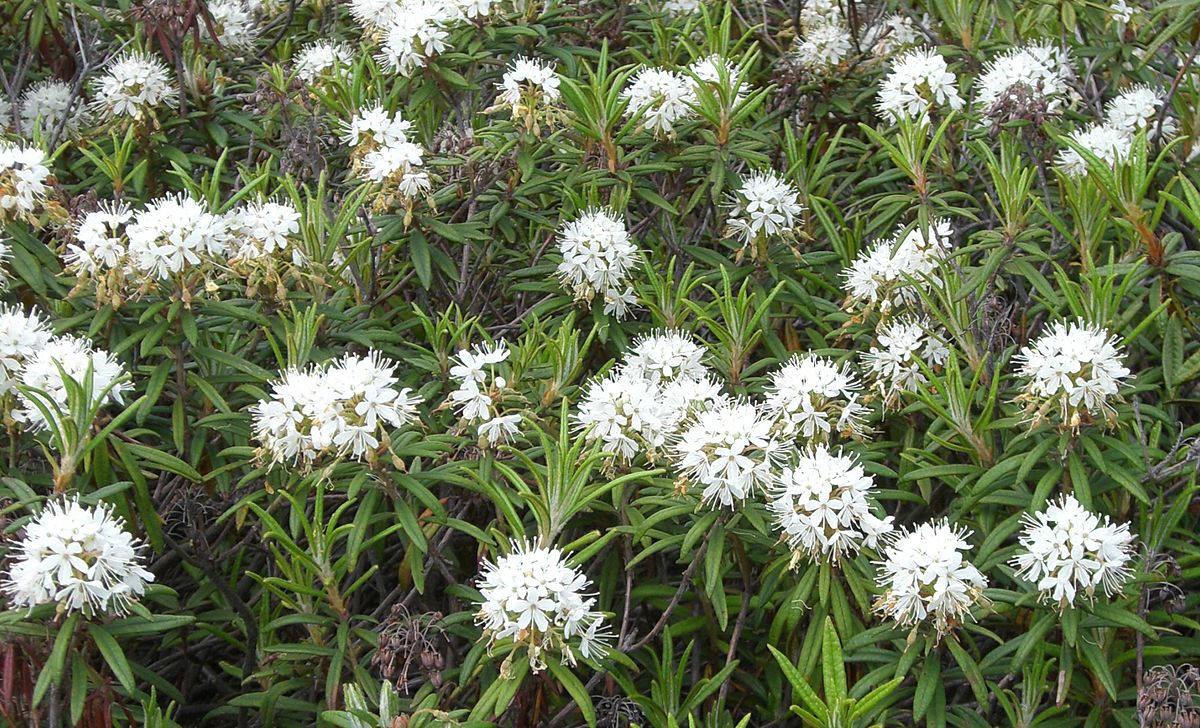

image credit

Lemon Oil

0

Extracted from a “small evergreen tree” is an essential oil known as Lemon Oil. This oil is basically derived from a fruit of a small tree belonging to the “Citrus limon” species within the plant kingdom. Furthermore, this oil is known to possess detoxifying properties. In addition, it also capable of producing a calming effect on the body. This oil also blends extremely well with a variety of other oils such as lavender oil, rose oil, sandalwood oil, peppermint oil, geranium oil etc.

A. The chemical constituents of Lemon Oil:

This oil is derived from the fruit of a small tree belonging to the “Citrus limon” species within the plant kingdom.  In addition, this oil also consists of organic compounds such as a-pinene, camphene, b-pinene, sabinene, myrcene, a-terpinene, linalool, b-bisabolene, limonene, trans-a-bergamotene, nerol and neral.

B. The uses and benefits of Lemon Oil:

There are a number of benefits one can gain from using this essential oil. However, one should also consider the adverse reactions or side effects reported from its use:

1. Anti-anxiety:

This oil possesses a curative property that when used helps in relaxing the nerves, and thereby serving as an anti-anxiety agent.

2. Carminative:

This oil when used also serves as a “carminative” by helping in resolving the issue of gas formation i.e. flatulence within the gastrointestinal system.

3. Antiseptic:

This oil also consists of “antiseptic” property and thereby functions by destroying disease causing microbes and helps in the treatment of internal as well as external wounds.

4. Hypnotic:

This oil also serves as a “hypnotic” when used by inducing sleep especially within individuals suffering from “insomnia”.

5. Digestive:

This oil when used serves as a “digestive” when used by maintaining normal digestion via the stimulation of gastric juices and bile into the GI tract.

C. The adverse effects of Lemon Oil:

There are a couple of adverse effects that could occur on using this essential oil. They are as follows;

  1. The use of this oil could lead to skin irritation especially in those individuals who have sensitive skin.
  2. This oil usage can severely affect pregnancy, and hence pregnant women must avoid using it.

Ledum Oil

0

Derived from leaves of a plant is an essential oil known as Ledum Oil. This oil is extracted from a group of “evergreen shrubs” which belongs to the “Ledum groenlandicum” species within the plant kingdom. Furthermore, this oil is extracted using the “steam distillation” process. In addition, this oil is said to comprise of a variety of vitamins and nutrients. The plant from which this oil is obtained is mainly found in the northern hemisphere, and has been used now for its medicinal properties for many years.

A. Chemical constituents of Ledum Oil:

This oil is extracted from the leaves of a plant known as “Ledum” belonging to the “Ledum groenlandicum” species within the plant kingdom. Furthermore, this oil also comprises of organic compounds such as tannins, cymene, myrtenal, alpha-pinene and volatile oil.

B. The uses and benefits of Ledum Oil:

There are a number of benefits that one can gain by using this oil. However, one should also consider the adverse reactions or side effects reported from its use:

1. Antioxidant:

This oil comprises of a property that stimulates neutralizing of the harmful free radicals, and thereby prevents issue such as premature aging.

2. Anti-anxiety:

This oil when used also serves as an “anti-anxiety” agent by calming the nerves and thus decreasing anxiety levels.

3. Analgesic:

This oil when used also helps in relieving pain caused by conditions such as headaches, sprains etc, and thereby serving as an analgesic.

4. Expectorant:

The oil also serves as an “expectorant” when used by stimulating the expulsion of mucous and phlegm stored in the respiratory system out from the body.

5. Weight Loss:

This oil when used is also capable of boasting one’s metabolism rate thereby promoting burning of calories eventually leading to weight loss.

C. The adverse effects of the Ledum Oil:

There are a couple of adverse reactions that could be experienced on using this oil. They are as follows:

  1. The use of this oil could lead to skin irritation, redness, itchiness etc especially in individuals possessing sensitive skin.
  2. This oil usage could also adversely affect uterine contractions during pregnancy, and hence pregnant women must avoid using it.

image credit

Lavender Oil

0

Obtained from a flowering plant species is an essential oil known as Lavender oil. This oil is derived from the flower spikes belonging to a plant species known as “Lavandula spica” within the plant kingdom. Furthermore, this oil is extracted using the “steam distillation” process, and consists of two forms i.e. “lavender flower oil” and “lavender spike oil”. In addition, the lavender spike oil is commonly used as a solvent in oil painting.  This essential oil is also used in the manufacturing of perfumes due to its pleasant fragrance.

A. Chemical constituents of Lavender Oil:

This oil is extracted from a flowering plant belonging to the “Lavandula spica” species within the plant kingdom. In addition, this oil mainly comprises of monoterpenoids and sesquiterpenoids, and includes organic compounds such as linalool, linalyl acetate, lavanduly acetate, terpinen-4-ol, lavandulol, 1, 8-cineole, and camphor.

B. The uses and benefits of Lavender Oil:

There are a number of benefits that one can gain by using this essential oil. However, one should also consider the adverse reactions or side effects reported from its use:

1. Hypnotic:

This oil consists of a curative property and when used helps inducing sleep mainly in individuals who are “insomniacs”.

2. Analgesic:

This oil when used is also capable of relieving pain caused by conditions such as cold, sprain etc, and thereby serves as an analgesic.

3. Diuretic:

This oil also serves as a “diuretic” by enabling the flushing out waste products such as kidney stone, excess fat etc from the body by stimulating urination.

4. Digestive:

This oil also comprises of a property that helps in maintaining normal digestion by regulating the secretion of bile and gastric juices.

5. Anti-cancerous:

This oil is also said to comprise of a property that helps in suppressing the effects of cancer. However, more research on this oil needs to be done so as to confirm the existence of this property.

C. The adverse effects of the Lavender Oil:

There are a number of adverse effects that may occur on using this essential oil. They are as follows:

  1. The use of this oil is extremely harmful to pregnancy, hence pregnant women must avoid using it.

  2. The usage of this oil could lead to allergic reactions especially in those individuals who have sensitive skin.
  3. The excessive use of this oil could also lead to nausea, vomiting, and headache, and hence this oil must be used carefully.

image credit

Laurus Nobilis Oil

0

Extracted from a large green shrub is an essential oil known as Laurus Nobilis Oil. This aromatic oil is derived from a shrub comprising of glabrous leaves belonging to the “Laurus nobilis” species within the plant kingdom. Furthermore, this oil is derived from the leaf of the shrub using the “steam distillation” process. In addition, the extracted oil comprises of a “pleasant” odour. This oil is commonly used in the manufacturing of bathing lotions, antiseptic soaps, and perfumes. It is also used as a flavouring agent in the food industry.

A. Chemical constituents of Laurus Nobilis Oil:

This oil is derived from the leaves of a large green shrub belonging to the “Laurus nobilis” species within the plant kingdom. In addition, this oil also comprises of organic compounds such as Cineol, a-pinene, eugenol, geraniol, linalool, phellandrene, sesquiterpene and sesquiterpenic alcohol.

B. The uses and benefits of Laurus Nobilis Oil:

There are a few benefits that one can gain by using this oil. However, one should also consider the adverse reactions or side effects reported from its use:

1. Antiseptic:

Possessing an “antiseptic” property this oil when used helps in treatment of the internal and external wounds by destroying disease causing microorganism.

2. Antibiotic:

This oil also possesses an “antibiotic” property and when used helps preventing infectious diseases by inhibiting the growth of microorganisms.

3. Antispasmodic:

This oil also serves as an “antispasmodic” when used by inhibiting the contraction of respiratory tract, muscles, nerves, blood vessels etc and thereby suppresses conditions such as cough, diarrhea, convulsions etc.

4. Analgesic:

This oil possesses curative properties which helps in relieving pain caused by coughs, cold, sprains etc, and thereby serve as an analgesic.

5. Astringent:

This oil when used also serves as an “astringent” by enabling the contraction of muscles and tissues, and thereby helps in resolving sagging skin problems.

C. The adverse reactions of Laurus Nobilis Oil:

There are a couple of adverse reactions that can occur while using this oil. They are as follows:

  1. The use of this oil is extremely harmful to pregnancy, and hence pregnant women must avoid using.
  2. The use of this oil could be harmful to children below the age of six, and hence must be used with care.

image credit

Juniper Berry Oil

0

Obtained from the coniferous plant belonging to the “Juniperus” genus is an essential oil known as Juniper Berry Oil. This oil is extracted from the leaves and twigs of a plant belonging to the “Juniperus communis” species within the plant kingdom. Furthermore, this oil is derived using the “steam distillation. In addition, the colour of this oil basically ranges from colourless to yellow/pale green. This oil is commonly used as a flavouring agent in the manufacturing of alcoholic beverage known as gin.

A. Chemical constituents of Juniper Berry Oil:

This oil is derived from the needles, wood, and the fruit of a coniferous plant belonging to the “Juniperus communis” species within the plant kingdom. In addition, this oil comprises of organic compounds such as Alpha Pinene, Camphene, Beta Pinene, Sabinene, Myrcene, Alpha Phellandrene, Alpha Terpinene, Gamma Terpinene, Cineole, Beta Phellandrene, Para Cymene, Terpineol, Bornyl Acetate and Caryophyllene and trace amounts of Limonene, Camphor, Linalool, Linalyl Acetate, Borneol and Nerol.

B. The uses and benefits of Juniper Berry Oil:

There are a number of benefits to gain on using this essential oil. However, one should also consider the adverse reactions or side effects reported from its use:

1. Anti-arthritic:

This oil comprises of a medicinal property that enables the elimination of toxic substance such as uric acid and suppresses a condition known as arthritis, and serves as an anti-arthritic.

2. Antiseptic:

This oil when used helps in destroying disease causing microorganism and helps in treating internal and external wounds.

3. Carminative:

This oil possesses a “carminative” property and thereby helps resolving gas formation i.e. flatulence issues within the GI system.

4. Diuretic:

This oil comprises of a curative property that enables the flushing of waste materials such as excess of fat, kidney stone etc from the renal system, and thereby serves as a diuretic.

5. Astringent:

This oil consists of a medicinal property that helps in contraction of blood vessels thereby reducing the probability of hemorrhage, and serves as an astringent.

C. The adverse effects of Juniper Berry Oil:

There could be a couple of adverse effects that one could experience while using this oil. They are as follows:

  1. The oil can cause harm in individuals who are suffering from renal issues, and hence under such circumstances it must be used in low concentrations.
  2. This oil when used is also extremely harmful to pregnancy, and hence pregnant women must avoid using it.

image credit

Jasmine oil

0

Extracted from flowers of a shrub is an essential oil known as Jasmine oil. This oil is derived from a shrub belonging to the “Jasminum officinale” species within the plant kingdom. Furthermore, in terms of smell this oil basically possesses an extremely pleasing and romantic fragrance. In addition, the flower from the shrub used to extract this oil is mainly found in regions such as Eurasia, Australasia, and Oceania. This oil when used serves as a “stress” reliever.

A. Chemical constituents of Jamsine oil:

The oil is extracted from flowers of a shrub belonging to the “Jasminum officinale” species within the plant kingdom. In addition, this oil comprises of organic compounds that include Benzoic Acid, Benzaldehyde, Benzyl Acetate, Benzyl Alcohol, Indole, Benzyl Benzoate, Cis-3-Hexenyl Benzoate, Cis-Jasmone, Ceosol, Eugenol, Farnesol, Geraniol, Linalool, Methyl Anthranilate, P-Cresol, Nerol, Gamma Terpineol, Nerolidol, Isohytol, and Phytol.

B. The uses and benefits of Jasmine oil:

There are a few benefits in terms of health that one can acquire by using this essential oil.  However, one should also consider the adverse reactions or side effects reported from its use:

1. Antidepressant:

This oil comprises of a medicinal property that helps in suppressing conditions related to the central nervous system such as depression, mental fatigue etc.

2. Antiseptic:

This oil consists of a curative property that helps in the treatment of internal and external wounds by enabling the destruction of disease causing microorganism.

3. Antispasmodic:

This oil comprises of an “antispasmodic” property and thereby helps in suppressing spasms in the body.

4. Aphrodisiac:

The oil possesses a medicinal property that helps stimulate sexual desire, and thereby serve as an aphrodisiac.

5. Expectorant:

This oil also consists of a curative property that when used helps in expelling mucus and phlegm formed within the respiratory tract, and thereby serving as an expectorant.

C. The adverse effects of the Jasmine Oil:

There are a couple of adverse effects that one could experience on using this oil. They are as follows:

  1. Since this oil when used elicits a sedating effect on an individual, it must used in low doses.
  2. The usage of this oil affects pregnancy severely, and hence pregnant women must avoid using it.

image credit

Tansy Oil

0

Obtained from a plant known as “common tansy” is an essential oil known as Tansy Oil. This oil has been extracted from a perennial flowering plant belonging to the “Tanacetum vulgare” species within the plant kingdom. Furthermore, this oil is extracted from the plant using the “steam distillation” process. In addition, the small plant from which this oil is derived is extremely popular in Europe, and used commonly by villagers and gypsies.

A. Chemical constituents of Tansy Oil:

This oil is extracted from a perennial flowering plant belonging to the “Tanacetum vulgare” species within the plant kingdom. In addition, this oil also comprises of organic compounds such as artemisone, borneol, camphone, camphor, isopinocamphone, piperitone, and thujone.

B. The uses and benefits of Tansy Oil:

There are a number of benefits that one can acquire by using this oil. However, one should also consider the adverse reactions or side effects reported from its use:

1. Antibacterial:

This oil comprises of an “antibacterial” property and thereby serves by inhibiting the growth of bacteria and thus enabling the prevention of bacterial infections.

2. Anti-inflammatory:

This oil when used helps in the suppression of inflammation, swelling etc, and thereby serves an anti-inflammatory agent.

3. Anti-histamine:

This oil also serves as an “anti-histamine” when used by enabling the suppression of allergic reactions such as rashes, itches, severe coughs, asthma etc.

4. Antifungal:

This oil when used also helps in suppressing the growth of fungus, preventing fungal infections such as athlete’s foot, ringworm etc, and thereby serving as an antifungal.

5. Insecticide:

This oil when used also helps in the destruction of insects such as mosquitoes, flea, ticks, bed bugs etc, and thereby serves as an insecticide.

C. The adverse effects of Tansy Oil:

There is one major adverse effect that an individual may experience on using this oil. It is as follows;

  1. The excessive use of this oil could lead to severe hallucinations, nervous, and neurotic disturbances within an individual. Hence this oil must be used with care.

image credit

Hyssop Oil

0

Extracted from a herbaceous plant belonging to a genus known as “Hyssopus” is an essential oil known as Hyssop Oil. This oil is derived from a plant known as “Hyssop” belonging to the “Hyssopus officinalis” species within the plant kingdom. Furthermore, this oil is renowned for its disinfectant and antimicrobial properties. In addition, this oil is extracted from the leaves and flowers of the plant using the “steam distillation” process.

A. Chemical constituents of the Hyssop Oil:

This oil is obtained from flowers and leaves of a plant belonging to the “Hyssopus officinalis” species within the plant kingdom. In addition, this oil comprises of organic compounds such as Alpha Pinene, Camphene, Beta Pinene, Sabinene, Myrcene, Limonene, Pinocamphone, Iso-Pinocamphene, Gamma Terpineol, Cineole and Thujone. However, it is thujone and phenols that form the major components of this oil.

B. The uses and benefits of the Hyssop Oil:

There are a number of benefits to using this essential oil. However, one should also consider the adverse reactions or side effects reported from its use:

1. Astringent:

The oil comprises of a medicinal property that enables the contraction of muscles and skin, and thereby serves as an astringent.

2. Antispasmodic:

This oil when used exhibits a curative property that inhibits muscle spasms, and thereby serves as an antispasmodic.

3. Anti-rheumatic:

This oil also possesses “anti-rheumatic” property and thereby functions by suppressing the effects of rheumatoid arthritis.

4. Antiseptic:

This oil also comprises of a curative property that helps in treating internal and external wounds by enabling the destruction of microorganism.

5. Diuretic:

This oil also possesses a property which enables the flushing of waste materials such as kidney stones, excessive fat etc from the body by promoting the stimulation of urination.

C. The adverse reaction of the Hyssop Oil:

There are couple adverse reactions that may occur on using this oil. They are as follows;

  1. The use of this oil severely affects individuals suffering from epilepsy, and hence they must avoid using it.
  2. This oil usage is also extremely harmful to pregnancy, and hence pregnant women must avoid using it.

image credit

Horseradish Oil

0

Derived from a perennial plant belonging to the “Brassicacae” family is an essential oil known as Horseradish Oil. This oil is extracted from a plant known as “Horseradish” belonging to the “Armoracia rusticana” species within the plant kingdom. Furthermore, this oil comprises of a pungent odour, and is pale yellow in colour. In addition, this oil is also commonly used as flavouring agent in food. This oil is basically extracted from the root of the plant using the “steam distillation” process.

A. Chemical constituents of Horseradish Oil:

This oil is derived from the root of a plant known as “Horseradish” belonging to the Armoracia rusticana” species within the plant kingdom.  In addition, this oil mainly comprises of an organic compound known as “sinigrin”, a glycoside. Furthermore, this oil also consists of organic compounds such as isothiocynates, allyl, and butyl.

B. The uses and benefits of Horseradish Oil:

There are a number of benefits to using this oil. However, one should also consider the adverse reactions or side effects reported from its use:

1. Antibacterial:

This oil when used exhibits a curative property that inhibits the growth of bacteria, and thereby serves as an antibacterial.

2. Antihypertensive:

This oil possesses an “antihypertensive” property, and hence when used helps in lowering the blood pressure.

3. Anti-cancerous:

This oil comprises of glycosides in high concentrations, and hence when used lowers the risk of a certain types of cancers.

4. Digestive:

This oil also when used helps in maintaining normal digestion by stimulating the secretion of digestive enzymes and gastric juices.

5. Antioxidant:

This oil is a rich source of vitamin C (hence a strong antioxidant) and when used helps in eliminating unwanted free radicals as well as in stimulating the immune system.

C. The adverse effects of Horseradish Oil:

There are a few side effects that could occur on using this essential oil. They are as follows:

  1. This oil must not be used internally or be ingested.
  2. Using this oil could lead to allergic reactions especially in those individuals who are allergic to the plant Horseradish.
  3. The use of this oil could lead to skin irritation, rashes etc especially in those individuals who possess sensitive skin.
  4. Individuals suffering from renal issues should avoid using this oil as when used it could prove to be harmful.

image credit