Home Blog Page 8

Mugwort Oil

0

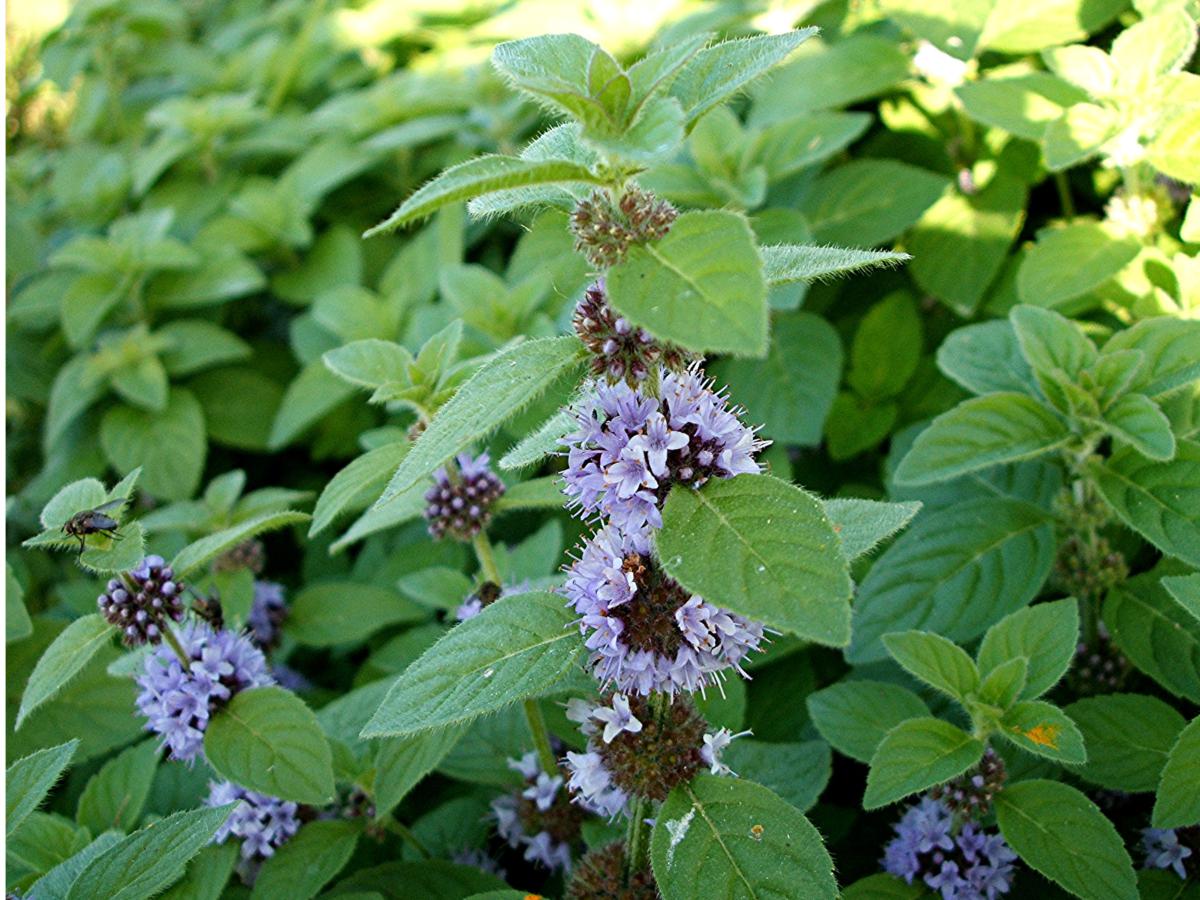
Derived from an aromatic plant belonging to a genus called “Artemisia” is an essential oil known as Mugwort Oil. This oil is extracted from a species of aromatic plants known as “Artemisia Vulgaris” in the plant kingdom.  Apart for its varied medicinal properties this oil was apparently also used in rituals related to witchcraft and black magic. Furthermore, this oil is obtained from the leaves, buds, and flowering tops of the plant using the “steam distillation” process.

A. Chemical constituents of Mugwort Oil:

This oil is extracted from the leaves, bud, and flowering tops of an aromatic plant belonging to the “Artemisia Vulgaris” species in the plant kingdom. In addition, this oil mainly contains organic compounds such as alpha thujone, beta thujone, cineole, camphene, and camphone.

B. The uses and benefits of Mugwort Oil:

There are a number of benefits that an individual can gain by using this essential oil. However, one should also consider the adverse reactions or side effects reported from its use:

1. Anti-epileptic:

This oil when used helps in suppressing epileptic seizures, and thereby serves as an anti-epileptic agent.

2. Digestive:

This oil helps in stimulating the normal release of gastric juices, help in normal digestion, and thereby serve as a digestive.

3. Diuretic:

This oil when used also helps in flushing out waste products such as kidney stone etc from the urinary system by promoting urination.

4. Stimulant:

This oil “stimulates” the body systems of the body when used, and thereby serves as a stimulant.

5. Vermifuge:

This oil also exhibits a medicinal property that enables the killing of intestinal worms such as roundworms and tapeworms, and thereby serves as a vermifuge.

C. The adverse reactions of Mugwort Oil:

There are a couple of adverse effects that could occur on using this oil. They are as follows:

  1. The use of this oil could severely affect pregnancy, and hence pregnant women must avoid using it.
  2. The usage of this oil could have a toxic and narcotic effect on the central nervous system, and hence must be used extremely carefully.
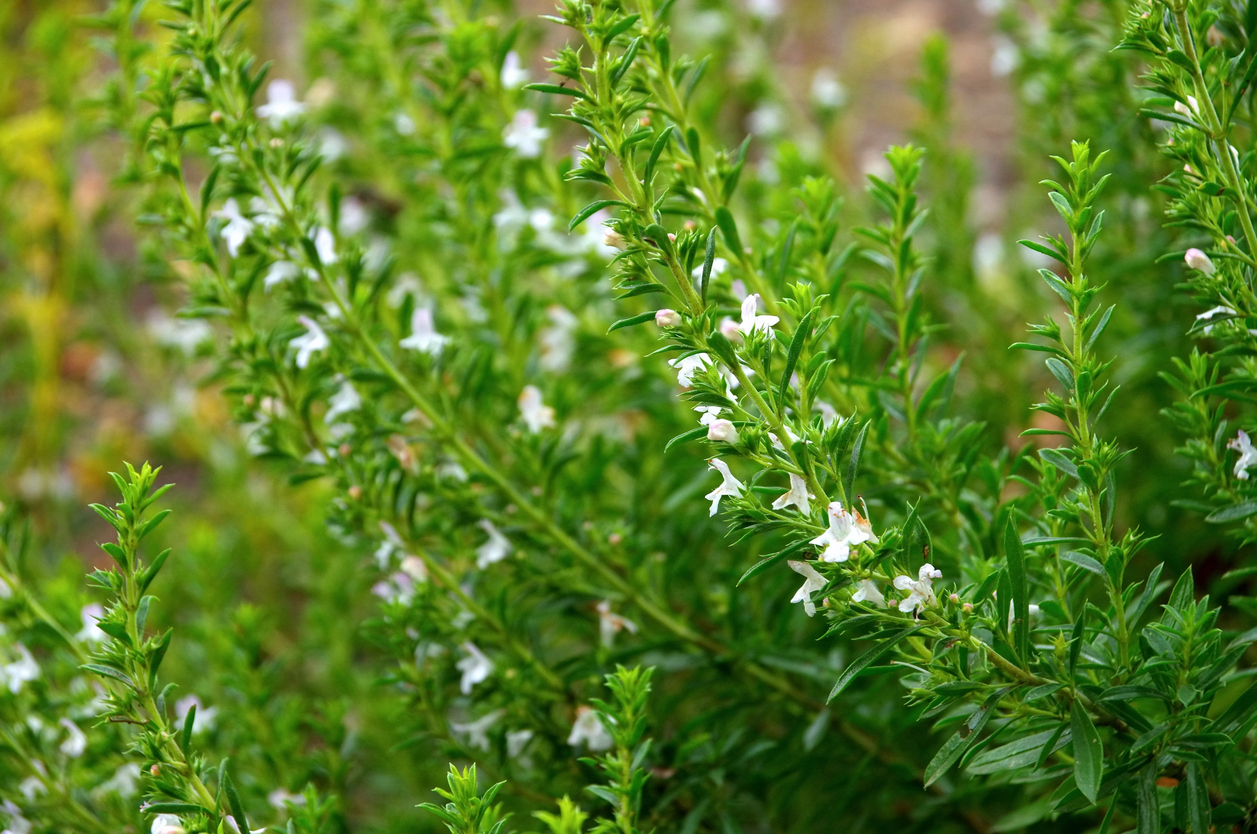

image credit

Winter Savory

0

Derived from a perennial herb is an essential oil known as Winter Savory. This oil is extracted from a plant belonging to the “Moringa Oleifera” species in the plant kingdom. Furthermore, this oil is obtained from the leaves of a plant using the process of “steam distillation”. In addition, this oil is pale orange in colour and acrid in aroma. It also comprises of a high percentage of organic compound known as “phenols”.

A. Chemical constituents of Winter Savoury:

This oil is derived from a perennial herb/plant belonging to the “Moringa Oleifera” species in the plant kingdom. In addition, this oil comprises of organic compounds such as oregano, thyme, 30-40% of carvacrol, 20-30% of thymol, cineol, cymene, and pinene.

B. The uses and benefits of the Winter Savoury:

There are a number of benefits that an individual can acquire by using this essential oil. However, one should also consider the adverse reactions or side effects reported from its use:

1. Antiseptic:

This oil when used serves as an “antiseptic” by destroying disease causing microorganism, and helps in the treatment of internal and external wounds.

2. Anti-inflammatory:

This oil helps in suppressing inflammation and swelling when used, and thereby serves as an anti-inflammatory.

3. Antiviral:

This oil also exhibits an antiviral property, and thereby helps in suppressing the growth of viruses and preventing viral infections.

4. Antifungal:

This oil when used also serves as an “antifungal” by suppressing the growth of fungus, and thereby preventing fungal infections such as ringworms.

5. Aphrodisiac:

This oil when used helps stimulate sexual desire in an individual, and thereby serves as an aphrodisiac.

C. The adverse effects of the Winter Savoury:

There are a couple of adverse effects that may occur on using this oil. They are as follows:

  1. The use of this oil severely affects pregnancy, and hence pregnant women must avoid using it.
  2. The oil usage could lead to skin irritation especially in those individuals having sensitive skin.

image credit

Moringa Oleifera Oil

0

Extracted from a tree known as “drumstick” is an essential oil known as Moringa Oleifera Oil. This oil is derived from a tree belonging to the “Moringa Oleifera” species in the plant kingdom.  This oil is basically extracted either by using the technique of cold pressing or solvent extraction. Furthermore, this oil is extremely nutritious and contains a high percentage of vitamin B and vitamin C. Additionally, since this oil contains a high concentration of an acid known as “behenic” it is commonly referred to as “Ben”.

A. Chemical constituents of Moringa Oleifera Oil:

This oil is extracted by pressing the seeds of a tree belonging to the “Moringa Oleifera” species in the plant kingdom. In addition, this oil mainly consists of an organic compound known as “behenic acid”.

B. The uses and benefits of Moringa Oleifera Oil:

There are a number of benefits to be gained by using this oil. However, one should also consider the adverse reactions or side effects reported from its use:

1. Antioxidant:

This oil when used serves as an “antioxidant” by neutralizing harmful radicals from the body.

2. Anti-aging:

This oil when used helps inhibiting the formation of wrinkles, and therefore suppresses the process of aging.

3. Antiseptic:

This oil is also capable of destroying disease causing microbes, help in the treatment of internal and external wounds, and thereby serve as an antiseptic.

4. Anti-inflammatory:

This oil also helps in suppressing inflammation and swelling when used, and thereby serves as an anti-inflammatory.

5. Antimicrobial:

This oil possesses “antimicrobial” property, and thereby helps in destroying disease causing microorganism.

C. The adverse effects of Moringa Oleifera Oil:

There is an adverse effect that one may experience by using this oil. It is as follows:

  1. The use of this oil can severely affect pregnancy, and hence pregnant women must avoid using it.

image credit

Mentha Arvensis Oil

0

Obtained from a flowering plant known as “wild mint” is an essential oil known as Mentha Arvensis Oil. This essential oil is extracted from a plant belonging to the “Mentha Arvensis” species in the plant kingdom. Furthermore, this oil is extracted using the process of “steam distillation”.  In addition, this oil consists of a strong odour, and is clear/pale yellow in colour.  In terms of consistency, this oil is extremely thin.

A. Chemical constituents of Mentha Arvensis Oil:

This oil is extracted from a plant called “wild mint” belonging to the “Mentha Arvensis” species in the plant kingdom. In addition, this oil comprises of organic compounds such as menthol, menthone, isomenthone, neomenthol, limonene, methyl acetate, piperitone, beta-caryophylline, alpha-pinene, beta-pinene, tannins, and flavonoids.

B. The uses and benefits of Mentha Arvensis Oil:

There are number of benefits that an individual can obtain by using this essential oil. However, one should also consider the adverse reactions or side effects reported from its use:

1. Analgesic:

This oil possesses an “analgesic” property and so when used it helps in relieving pain caused by conditions such as headaches, sprains etc.

2. Antispasmodic:

This oil when used helps in relieving spasms affecting the digestive system, respiratory system, central nervous system etc, and thereby serves as an antispasmodic.

3. Carminative:

This oil helps resolving issues related to gas formation i.e. flatulence in the gastrointestinal tract, and thereby serves as a carminative.

4. Expectorant:

By enabling the expulsion of mucous and phlegm stored in the respiratory system out of the body, this oil serves as an expectorant.

5. Astringent:

This oil when used enables the contraction of skin cells and other body tissues, and thereby serves as an astringent.

C. The adverse effects of the Mentha Arvensis Oil:

There are a couple of adverse effects that one could experience on using this oil. They are as follows:

  1. The use of oil could lead to skin irritation especially in those individuals who have sensitive skin.

The usage of this oil can also be severely harmful to pregnancy, hence pregnant women must avoid using it.

image credit

Lemon Balm Oil

0

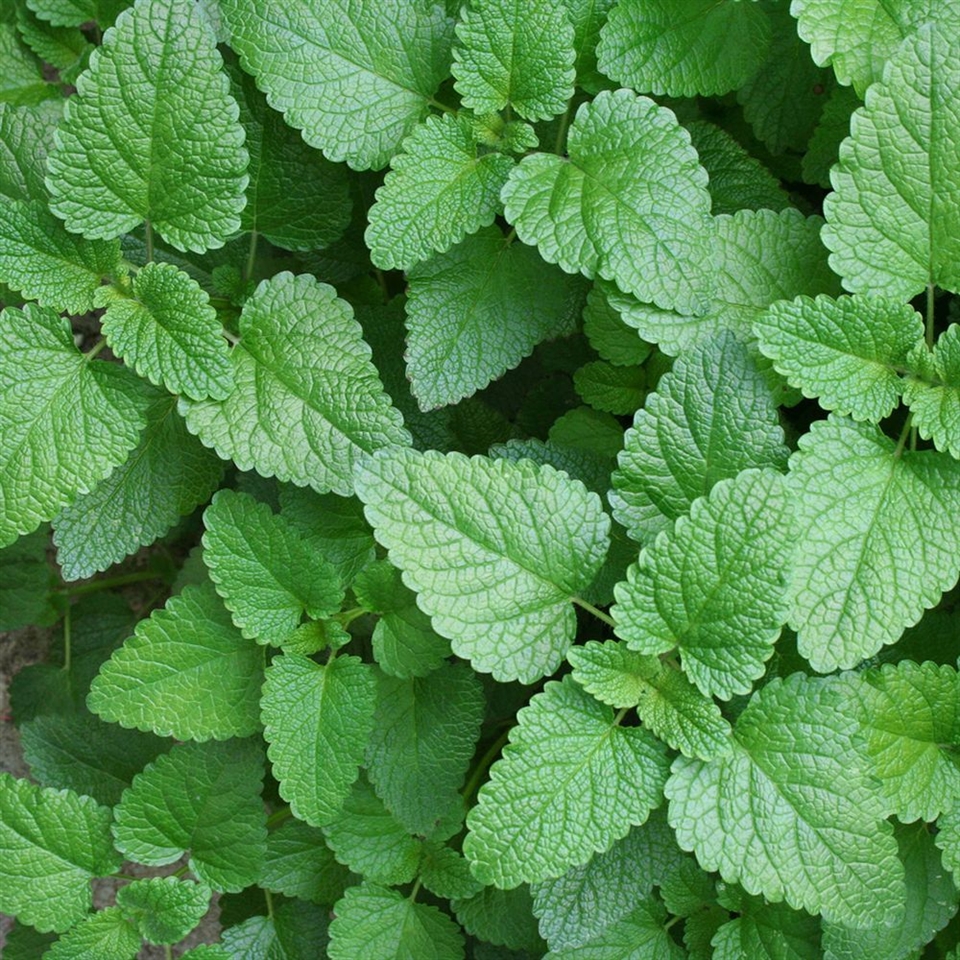
Extracted from a perennial herbaceous plant known as “balm mint” is an essential oil known as Lemon Balm Oil.  This oil is extracted from a plant belonging to the “Melissa officinalis” species in the plant kingdom. Furthermore, this oil is obtained from the buds, leaf, and the twigs of the plant using the “steam distillation” process. In addition, this oil is known for its sweet and extremely pleasant aroma, and hence has quite aptly earned the sobriquet “Sweet Oil”.

A. The chemical constituents of Lemon Balm Oil:

This oil is extracted from the bud, leaf, and twig of a plant belonging to the “Melissa officinalis” species in the plant kingdom. In addition, this oil also comprises of organic compounds such as Trans Ocimene, Citronellal, Caryophyllene, Germacrene, Geranial, Geranyl Acetate, Cis Ocimene, Octanone, Linalool, Beta Bourbonene, Methyl Hepenone, Cis Hexenol, Octanol, Octenol, Copaene, Alpha Humulene, Neral, Delta Cadinene, Gamma Cadinene, Nerol and Geraniol.

B. The uses and benefits of the Lemon Balm Oil:

There are a number of health benefits that an individual can experience on using this oil. However, one should also consider the adverse reactions or side effects reported from its use:

1. Antispasmodic:

This oil when used helps in relieving muscle spasms that may arise in the digestive system, respiratory system, nervous system etc and thereby serve as an antispasmodic.

2. Antidepressant:

This oil when used can also help in suppressing a major issue related to mental health such as depression, and thereby serves as an antidepressant.

3. Carminative:

This oil also comprises of a “carminative” property and thereby helps to resolve issue related to gas formation i.e. flatulence in the gastrointestinal system, and thereby serves as a carminative.

4. Anti-inflammatory:

This oil when used is capable of suppressing inflammation and swelling, and thereby serving as an anti-inflammatory.

5. Diaphoretic:

This oil when used helps in stimulating the production of sweat or perspiration, and thereby serves as a diaphoretic.

C. The adverse effects of the Lemon Balm Oil:

There are a couple of adverse effects that could occur on using this oil. They are as follows:

  1. The use of the oil could lead to skin irritation especially in those individuals who have sensitive skin.

The usage of this oil is extremely harmful to pregnancy, and hence pregnant women must avoid using it.

image credit

Melaleuca Oil

0

“Tea Tree Oil” is how an essential oil known as Melaleuca is commonly referred to as. This oil is extracted from a tree belonging to the “Melaleuca alternifolia” species in the plant kingdom.  Furthermore, this oil is basically derived from the leaves of the tree using the “steam distillation” process. In addition, the tree from which this oil is extracted can be frequently found in Australia in regions such Southeast Queensland and New South Wales.

A. Chemical constituents of Melaleuca Oil:

This oil is derived from the leaves of the tree known as “Tea Tree” belonging to the “Melaleuca alternifolia” species in the plant kingdom. In addition, this oil also consists of organic compounds such as Alpha Pinene, Beta Pinene, Sabinene, Myrcene, Alpha Phellandrene, Alpha Terpinene, Limonene, Cineole, Gamma Terpinene, Para Cymene, Terpinolene, Linalool, Terpinenol and Alpha Terpineol.

B. The uses and benefits of the Melaleuca Oil:

There are a number of benefits an individual can gain by using this oil. However, one should also consider the adverse reactions or side effects reported from its use:

1. Antibacterial:

This oil when used helps in inhibiting the growth of bacteria, preventing bacterial infections, and thereby serves as an antibacterial.

2. Antiseptic:

This oil consists of an “antiseptic” property and helps in the treatment of internal and external wounds by destroying disease causing microorganism.

3. Expectorant:

This oil when used helps in stimulating the expulsion of mucus and phlegm from the respiratory system, and thereby serves as an expectorant.

4. Analgesic:

This oil when used also helps by relieving pain caused by headaches and sprains etc, and thereby serves as an analgesic.

5. Insecticide:

This oil is also “insecticidal” in nature and thereby helps in destroying insects such as mosquitoes, fleas, lies etc.

C. The adverse effects of the Melaleuca Oil:

There are couple adverse effects that could occur on using this oil. They are as follows:

  1. The use of this oil could lead to allergic reaction especially in those individuals who have sensitive skin.
  2. Since this oil is powerful it should not be consumed directly.

The inappropriate usage of this oil could lead to adverse effects such as hallucinations, drowsiness, unsteadiness, severe rash, vomiting, diarrhea etc.

Marjoram Oil

0

Extracted from an extremely sensitive perennial herb is an essential oil known as Marjoram Oil. This oil is obtained from the herb known as “Marjoram” belonging to the “Origanum majorana” species in the plant kingdom. Furthermore, this oil is extracted from fresh and dried leaves of the herb using the process known as “steam distillation”. In addition, this essential oil is extremely popular in the Mediterranean region, and is used frequently for its medicinal properties.

A. Chemical constituents of Marjoram Oil:

This oil is obtained from the leaves of the herb known as “Marjoram” belonging to the “Origanum majorana” plant kingdom. In addition, this oil also comprises of organic compounds such as Sabinene, Alpha Terpinene, Gamma Terpinene, Cymene, Terpinolene, Linalool, Sabinene Hydrate, Linalyl Acetate, Terpineol and Gamma Terpineol.

B. The uses and benefits of Marjoram Oil:

There are a few health benefits that an individual can gain by using this oil. However, one should also consider the adverse reactions or side effects reported from its use:

1. Analgesic:

This oil comprises of an “analgesic” property and thereby when used helps in providing relief from pain caused by conditions such as colds, headaches, sprains etc.

2. Antiviral:

This oil also consists of an “antiviral” property and thereby serves by inhibiting viral infections by preventing the growth of the virus.

3. Carminative:

This oil when used also helps in resolving issues related to gas formation i.e. flatulence in the gastrointestinal system, and thereby serving as a carminative.

4. Diuretic:

The oil also serves as a “diuretic” when used by enabling the removal of waste products such as kidney stone, excess fat etc by stimulating urination.

5. Expectorant:

The oil when used also helps in expelling out phlegm and mucus formed within the respiratory system, and thereby serving as an expectorant.

C. The adverse effects of the Marjoram oil:

There is one major adverse affect that may occur on using this oil. It is as follows:

  1. This oil usage can severely affect pregnancy, and hence pregnant women must avoid using it.

image credit

Mandarin Orange Oil

0

Derived from a small citrus fruit is an essential oil known as Mandarin Orange Oil. This essential oil is extracted from a small citrus fruit known as “Mandarin” belonging to the “Citrus reticulata” species within the plant kingdom. Furthermore, this oil is extracted from the fruit using the “cold compression” process. In addition, this oil is commonly used as a flavouring agent in food as well as in beverages. It is also used in the manufacturing of cosmetics, soaps, oils, and perfumes.

A. Chemical constituents of the Mandarin Orange Oil:

This oil is extracted from the fresh peels of a small citrus fruit known as “Mandarin” belonging to the “Citrus reticulata” species within the plant kingdom. In addition, this oil consists of organic compounds such as alpha thujone, alpha pinene, beta pinene, camphene, citral, citronellal, gamma terpinolene, geranial, geraniol, limonene, linalool, methyl methylanthranilate, myrcene, nerol, sabinene, and terpineol.

B. The uses and benefits of the Mandarin Orange Oil:

There are a number of benefits that an individual can gain on using this oil.  However, one should also consider the adverse reactions or side effects reported from its use:

1. Antispasmodic:

This oil when used exhibits an “antispasmodic” property and thereby helps relieving spasms in the digestive system, respiratory system, nervous system etc thus ensuring its normal functioning.

2. Antiseptic:

This oil when used helps in the treating of internal and external wounds by destroying disease causing microbes, and thereby serves as an antiseptic.

3. Diuretic:

This oil also comprises of a “diuretic” property and functions by removing waste products from the body such as kidney stone, excess fat etc by stimulating urination.

4. Digestive:

This oil when used also serves as a “digestive” by enabling normal digestion through the regulation of the secretion of gastric juices, bile etc in the gastrointestinal system.

5. Anti-anxiety:

This oil also serves as an “anti-anxiety” agent and functions by relieving stress and exerting a calming effect on the body.

C. The adverse effects of the Mandarin Orange Oil:

There is one major adverse effect that may occur on using this oil. It is as follows:

  1. The use of this oil could lead to skin irritation especially in individuals having sensitive skin, and hence it must be used carefully.

image credit

Listea Oil

0

Derived from a shrub that is about 5-12 meters in height is an essential oil known as Listea Oil. This oil is extracted from a small plant known as the “aromatic listea” belonging to the “Listea cubeba” species in the plant kingdom.  Furthermore, this oil is extracted using the “steam distillation” process.  In addition, with regards to fragrance this oil is extremely similar to “lemongrass”. The shrub used to obtain this oil is also known as “May Chang”, and can be found in abundance in regions such as South China, Japan, and Taiwan.

A. Chemical constituents of Listea Oil:

This oil is basically extracted from the ripened and dry fruits of the shrub known as “May Chang” belonging to the “Listea cubeba” species in the plant kingdom. In addition, this oil mainly consists of 70 to 80% of an organic compound called “citral”.

B. The uses and benefits of Listea Oil:

There are a number of benefits that one can gain by using this oil. However, one should also consider the adverse reactions or side effects reported from its use:

1. Antibacterial:

This oil consists of an “antibacterial” property that when used helps in inhibiting the growth of bacteria, and thereby suppressing bacterial infection.

2. Antiviral:

This oil when used serves as “antiviral” agent by inhibiting the growth of viruses, and thereby suppressing viral infections such as bronchitis.

3. Anti-inflammatory:

This oil also comprises of an “anti-inflammatory” property and thereby when used helps in reducing inflammation.

4. Digestive:

This oil when used enables the proper functioning of the gastrointestinal system by regulating the secretion of gastric juices and bile.

5. Antihypertensive:

This oil also possesses “antihypertensive” property, and hence when used helps in the regulation of the blood pressure.

C. The adverse effects of Listea oil:

There are a number of adverse effects that one may experience on using this oil. They are as follows:

  1. The use of this oil could increase pressure in the eye, and hence individuals suffering from glaucoma must avoid using it.
  2. The usage of this oil could lead to allergic reaction especially in individuals having sensitive skin, and hence it must be used carefully.

The use of oil could severely affect pregnancy, and hence pregnant women must avoid using it.

image credit

Lime Oil

0

Extracted from a “citrus fruit” is an essential oil known as Lime Oil. This oil is derived from a hybrid citrus fruit belonging to the “Citrus Aurantifolia” within the plant kingdom. Furthermore, this oil is obtained using either the process of “steam distillation” or “cold compression”. In addition, this oil is extensively used in food items such as pickles, jams, marmalades, sauces, squash, desserts etc. This oil is also used in the manufacturing of a few industrial products.

A. Chemical constituents of Lime Oil:

This oil is basically derived from a “citrus fruit” belonging to the “Citrus Aurantifolia” within the plant kingdom. In addition, this oil comprises of organic compounds that include Alpha Pinene, Beta Pinene, Myrcene, Limonene, Terpinolene, Cineole, Linalool, Borneol, Citral, Neral Acetate and Geranyl Acetate.

B. The uses and benefits of Lime Oil:

There are a number of benefits that an individual can gain by using this oil. However, one should also consider the adverse reactions or side effects reported from its use:

1. Antiviral:

This oil comprises of a curative property and when used inhibits the growth of viruses, and thereby helps in the treatment of viral infections such as bronchitis.

2. Antipyretic:

This oil when used also helps in reducing the body temperature, and thereby inhibiting fever.

3. Antioxidant:

This oil when used also serves as an “antioxidant” by neutralizing harmful radicals within the body, and thereby preventing formation of wrinkles i.e. aging.

4. Antibacterial:

This oil possesses an “antibacterial” property and helps in inhibiting the growth of bacteria, and thereby helps in the treatment of conditions such as food poisoning, diarrhea, typhoid etc.

5. Hemostasis:

This oil comprises of a “Hemostatic” property and therefore helps by contracting blood vessels or by stimulating the coagulation of blood.

C. The adverse effects of Lime Oil:

There is one adverse effect that could occur on using this oil. It is as follows:

  1. This oil when applied and then directly exposed to sun can cause photosensitivity, and hence must be used with care.

image credit