Home Blog Page 7

Bursera Graveolens Oil

0

Derived from a “wild tree” found mainly in countries such as Mexico, Peru, and Venezuela is an essential oil known as Bursera Graveolens Oil.  This oil is extracted from a tree also known as “Palo santo” (in Spanish) belonging to the “Bursera graveolens” species in the plant kingdom. Furthermore, this oil is derived from the wood of the tree using the “steam distillation” process. In addition, this oil is clear to pale yellow in colour, and comprises of a citrus and mint like aroma.

A. Chemical constituents of the Bursera Graveolens Oil:

This oil is obtained from a “wild tree” called “Palo santo” belonging to the “Bursera graveolens” species in the plant kingdom. In addition, this oil comprises of organic compounds such as limonene (58.6%), alpha-Terpineol (10.9%), menthofuran (6.6%), carvone (2.0%), germacrene (1.7%), gamma-muurolene (1.2%), trans-carveol (1.1%), and pulegone (1.1%).

B. The uses and benefits of the Bursera Graveolens Oil:

There are a number of benefits that one can gain by using this oil. However, one should also consider the adverse reactions or side effects reported from its use:

1. Antioxidant:

This oil when used exhibits an “antioxidant” property and thereby when used serves by neutralizing harmful free radicals and inhibiting the process of oxidation.

2. Anti-inflammatory:

This oil when used also helps in suppressing inflammation and swelling, and thereby serves as an anti-inflammatory.

3. Anti-cancerous:

According to the latest research this oil also comprises of an “anti-cancerous” property which enables the lowering of oxidative stress, protecting cells, and thereby suppressing cancer.

4. Analgesic:

This oil when used helps in reducing pain caused by headaches, sprains etc, and thereby serving as an analgesic.

5. Antiviral:

This oil helps in inhibiting the growth of viruses when used, and thereby prevents viral infections.

C. The adverse effects of the Bursera Graveolens Oil:

There are a couple of adverse effects that may occur when this oil is used. They are as follows:

  1. The use of this oil could lead to allergic reactions such as skin irritation, rashes, hives etc.
  2. This oil usage when consumed internally could also lead to nausea and vomiting.

image credit

Orris Oil

0

Also known as “Orris butter or Beurre d’ Iris” is an essential oil commonly referred to as Orris Butter. This oil is derived from a flowering plant belonging to the “Iris germanica” species in the plant kingdom. Furthermore, this oil is extracted from the roots of the plant using the “steam distillation” process. In addition, this oil is pale yellow in colour, and is also known for its floral fragrance. This oil is commonly used as a flavouring agent in the manufacturing of syrups.

A. Chemical constituents of Orris Oil:

This oil is basically derived from the roots of a flowering plant belonging to the “Iris germanica” species in the plant kingdom. In addition, this oil consists of organic compounds such as Irone, Menthyl myristate, Ionone, Isoflavones, Iridin, Irilone irigenin, Triterpenes, ß-amyrin and ß-sitosterol.

B. The uses and benefits of Orris Oil:

There are a number of benefits that one can gain by using this oil. However, one should also consider the adverse reactions or side effects reported from its use:

1. Diuretic:

This oil when used enables the flushing out of waste products such as kidney stone from the body by stimulating the process of urination.

2. Antidepressant:

This oil possesses an “antidepressant” property, and hence when used helps in suppressing depression an issue related to mental health.

3. Antibacterial:

This oil when used helps in suppressing the growth of bacteria, preventing bacterial infections, and thereby serving as an antibacterial.

4. Anti-inflammatory:

This oil also consists of an “anti-inflammatory” property, and hence when used helps in suppressing conditions such as inflammation and swelling.

5. Antiseptic:

By destroying disease causing microorganism, and helping in the treatment of external and internal wounds when used this oil serves as an antiseptic.

C. The adverse effects of Orris Oil:

There are a couple of adverse effects that could occur on using this oil. They are as follows:

  1. The use of this oil can be extremely harmful to pregnancy, and hence pregnant women must avoid using it.
  2. This oil usage could lead to allergic reactions especially in individuals having sensitive stomach.
  3. This oil when used can lead to skin irritation especially in individuals with sensitive skin, and hence it must be used with care.

image credit

Oregano Oil

0

Extracted from a plant belonging to the “mint” family is an essential oil known as Oregano Oil.  This oil is derived from a flowering plant named “Oregano” belonging to the “Oregano vulgare” species in the plant kingdom. Furthermore, this oil is obtained from the leaves of the plant using the “steam distillation” process.  In addition, this oil was also supposedly first used in ancient Greece in the treatment of wounds or bacterial infections. Apparently, the word “Oregano” when literally translated means “Delight of the mountains”.

A. Chemical constituents of the Oregano Oil:

This oil is extracted from the leaves of a flowering plant belonging to the “Oregano vulgare” species in the plant kingdom. In addition, this oil comprises of organic compounds that includes Carvacrol, Thymol, Cymene, Caryophyllene, Pinene, Bisabolene, Linalool, Borneol, Geranyl Acetate, Linalyl Acetate and Terpinene.

B. The uses and benefits of the Oregano Oil:

There are a number of health benefits that an individual can gain by using this oil. However, one should also consider the adverse reactions or side effects reported from its use:

1. Antibacterial:

This oil when used exhibits an “antibacterial” property that helps in inhibiting the growth of disease causing bacteria, and in turn prevents bacterial infections

2. Antiviral:

This oil also comprises of an “antiviral” property which enables the inhibition of viral growth, and thereby helps in the prevention of viral infection.

3. Anti-inflammatory:

This oil when used also exhibits an “anti-inflammatory” property and helps in suppressing conditions such as inflammation and swelling.

4. Expectorant:

This oil also helps in clearing out congestion formed in the respiratory system when used by stimulating the expulsion of waste products such as phlegm and mucous.

5. Digestion:

By stimulating the normal release of gastric juices, bile etc into the gastrointestinal system when used this oil helps in maintaining a normal digestion.

C. The adverse effects of the Oregano Oil:

There are a couple of adverse effects that may occur on using this oil. They are as follows:

  1. The use of this oil may lead to skin irritation especially in those individuals who have sensitive skin.
  2. The usage of the oil can severely affect pregnancy, and hence pregnant women must avoid using it.

image credit

Orange Oil

0

Obtained from the “cells located within the rind of a citrus fruit” is an essential oil known as Orange Oil. This oil is extracted from a fruit known as “orange” belonging to a species known “Citrus sinensis”.  Furthermore, this oil is extracted from the fruit using the “cold compression” process. In addition, this oil is commonly used as a flavouring agent in beverages, desserts, and sweetmeats. It is also used in the manufacturing of soaps, body lotions, and creams.

A. Chemical constituents in Orange Oil:

This oil is extracted from peels of a citrus fruit belonging to the “Citrus sinensis” species in the plant kingdom. In addition, this oil also comprises of organic compounds such as Alpha Pinene, Citronellal, Geranial, Sabinene, Myrcene, Limonene, Linalool, and Neral.

B. The uses and benefits of the Orange Oil:

There are a number of health benefits that one can acquire by using this essential oil.  However, one should also consider the adverse reactions or side effects reported from its use:

1. Antidepressant:

This oil when used helps in suppressing a mental health issue such as depression, and serves as an antidepressant.

2. Anti-inflammatory:

This oil exhibits an “anti-inflammatory” property, and thereby helps in suppressing inflammation or swelling.

3. Antispasmodic:

This oil when used helps in suppressing muscle spasms formed within the digestive system, central nervous system etc and thereby serves as an antispasmodic.

4. Antiseptic:

This oil also possesses an “antiseptic” property and thereby acts by enabling the treatment of internal and external wounds by inhibiting the growth of bacteria.

5. Carminative:

This oil also helps resolving issues related to gas formation i.e. flatulence in the intestines when used, and thereby serve as a carminative.

C. The adverse effects of the Orange Oil:

There is one major adverse effect that may occur on using this oil. It is as follows:

The use of this oil can lead to allergic reactions on the skin, and hence must be used with great care.

image credit

Nutmeg Oil

0

Derived from “an evergreen tree consisting of dark leaves” is an essential oil known as Nutmeg Oil. This oil is extracted from a tree belonging to the “Myristica fragrans” species in the plant kingdom. Furthermore, this oil is obtained from the seed of the tree using the process of “steam distillation”. Apparently, during the Elizabethan period this oil was used in the treatment of plague. In addition, once the oil is extracted the left over known as “spent” is used in industrial mills so as to manage the process of milling.

A. Chemical constituents of Nutmeg Oil:

This oil is extracted from the seed of a tree belonging to the Myristica fragrans” species in the plant kingdom. Furthermore, this oil also comprises of organic compounds such as camphene, d-pinene, limonene, d-borneol, I-terpineol, geraniol, safrol, and myristicin.

B. The uses and benefits of Nutmeg Oil:

There are a number of benefits that one can acquire by using this essential oil. However, one should also consider the adverse reactions or side effects reported from its use:

1. Antiseptic:

This oil when used helps in treatment of internal and external wounds by destroying disease causing organism, and thereby serves as an antiseptic.

2. Anti-inflammatory:

This oil when used exhibits an “anti-inflammatory” property and thereby helps by suppressing inflammation and swelling.

3. Carminative:

This oil when used helps resolving issues related to gas formation i.e. flatulence within the gastrointestinal system.

4. Bactericidal:

This oil when used also exhibits a “bactericidal” property, and thereby acts by inhibiting the growth of bacteria eventually leading to the prevention of bacterial infections.

5. Sedative:

This oil comprises of a “sedative” property, and thus helps in inducing sleep or a calming effect on an individual.

C. The adverse effects of the Nutmeg Oil:

There are a couple of adverse effects that could occur on using this oil. They are as follows:

  1. The use of this oil could severely affect pregnancy, and hence pregnant women must avoid using it.
  2. If used in large dosages the use of this oil may lead to hallucinations, seizures, and eventually even death.

image credit

Neroli Oil

0

Derived from a “citrus tree” is an essential oil known as Neroli oil. This oil is extracted from a tree belonging to the “Citrus aurantium” species in the plant kingdom. Furthermore, this oil is extracted from the flowers of the tree using the “steam distillation” process. In addition, this oil is regularly used in the manufacturing of perfumes. Apparently, this oil is also one of the key ingredients used in the manufacturing of the renowned soft drink “Coca Cola”.

A. Chemical constituents of Neroli Oil:

This oil is obtained from flowers of a tree belonging to the “Citrus aurantium” species in the plant kingdom. In addition, this oil also comprises of organic compounds such as Alpha Pinene, Alpha Terpinene, Beta Pinene, Camphene, Farnesol, Geraniol, Indole Nerol, Linalool, Linalyl Acetate, Methyl Anthranilate, Nerolidol and Neryl Acetate.

B. The uses and benefits of Neroli Oil:

There are a number of benefits that an individual can gain by using this oil. However, one should also consider the adverse reactions or side effects reported from its use:

1. Antidepressant:

This oil when used helps in suppressing issues related to mental health such as depression, and thereby serves as an antidepressant.

2. Antiseptic:

This oil also helps in treatment of internal and external wounds by destroying disease causing microbes and thereby serves as an antiseptic.

3. Aphrodisiac:

This oil when used also helps in stimulating the sexual desire in an individual, and thereby serves as an aphrodisiac.

4. Carminative:

This oil also exhibits a “carminative” property when used by providing relief from gas formation i.e. flatulence formed within the gastrointestinal system.

5. Digestive:

This oil when used also serves as a good “digestive” by enabling normal digestion through the stimulation of gastric juices and bile into the gastrointestinal system.

C. The adverse effects of the Neroli Oil:

There are a couple of adverse effects that could occur on using this oil. They are as follows:

  1. The use of this oil could affect concentration, and hence it should be used with care.
  2. This oil usage could lead to excessive sleepiness due to its sedative nature, and hence it should be used with a great deal of care.

image credit

Neem Oil

0

Derived from the “fruits or seeds” of  a tree belonging to the genus known as “Azadirachta” is an essential oil called Neem Oil.  This oil is extracted from a tree belonging to the “Azadirachta indica” species in the plant kingdom. Furthermore, this oil is extracted from the seed or the fruit of the tree by either using the cold pressing or control pressing process. This oil can also be extracted using solvents such as ether, petro ether, ethyl acetate, and dilute alcohol. In addition, this oil comprises of a pungent odour, and is bitter in taste.

A. Chemical constituents of Neem Oil:

This oil is extracted from the seeds or fruits of a tree belonging to the “Azadirachta indica” species in the plant kingdom. In addition, this oil comprises of two major phytochemicals in the form of Azadirachtin and triterpenoid. However, this oil also consists of sterols such as campesterol, beta-sitosterol, and stigmasterol, fatty acids, and alkaloids.

B. The uses and benefits of Neem Oil:

There are a number of benefits that one can gain by using this oil. However, one should also consider the adverse reactions or side effects reported from its use:

1. Antiseptic:

This oil when used helps in the treatment of internal as well as external wounds by destroying disease causing microbes, and thereby serving as an antiseptic.

2. Anthelmintic:

This oil also exhibits “anthelmintic” property when used by suppressing the growth of parasitic worms in the intestines, and thereby preventing parasitic infections.

3. Diuretic:

This oil when used helps in flushing out waste products formed within the urinary system such as kidney stone, and thereby serves as a diuretic.

4. Antifungal:

This oil also possesses an “antifungal” property, and so when used helps in inhibiting the growth of fungus and thereby prevent fungal infection such as ringworm.

5. Antioxidant:

This oil helps in neutralizing the effects of free radicals and thereby serves as an antioxidant by suppressing the process of aging by preventing wrinkle formation.

C. The adverse effects of the Neem Oil:

There is one major adverse effect that may occur on using this oil. It is as follows:

  1. The use of this oil may severely affect pregnancy, and hence pregnant women must avoid using it.

image credit

Myrtus Communis Oil

0
?

Obtained from a “flowering plant” species belonging to the family Myrtaceae is an essential oil known as Myrtus Communis oil.  This oil is extracted from a flowering plant species known as “Myrtus communis” in the plant kingdom. Furthermore, this oil is extracted from the leaves, flowers, and stem of the flowering plant belonging to the genus “Myrtus” using the process of “steam distillation”. Apparently, this oil according to the history of Greece is closely linked to Aphrodite, the Greek goddess of love and beauty. In addition, this oil is also used regulalry for its beneficial medicinal properties.

A. Chemical constituents of the Myrtus Communis Oil:

This oil is basically extracted from a “flowering plant” species known as “Myrtus communis” in the plant kingdom. In addition, this oil also comprises of organic compounds such as Cineol, Myrtenol, Pinene, Myrtenyl Acetate, Geraniol, Linalool, Camphene and Borneol.

B. The uses and benefits of the Myrtus Communis Oil:

There are a number of benefits that one can gain by using this oil. However, one should also consider the adverse reactions or side effects reported from its use:

1. Antiseptic:

This oil when used exhibits “antiseptic” property and thereby helps in treatment of internal and external wounds by destroying disease causing microbes.

2. Astringent:

This oil helps in contracting muscles when used and ensures the suppression of wrinkle formation, and thereby serves as an astringent.

3. Expectorant:

This oil serves as an “expectorant” when used and thereby helps in expelling phlegm and mucous formed within the respiratory system out of the body.

4. Deodrant:

This oil also helps in masking bad odour when used, and thereby serves as a deodorant.

5. Sedative:

This oil also helps the body in relaxing and provides relief from tension, stress, distress etc when used, and thereby serves as a sedative.

C. The adverse effects of the Myrtus Communis Oil:

There is just one major adverse effect that may arise on using this oil. It is as follows:

  1. The use of this oil could lead to allergic reactions especially in those individuals who have sensitive skin.

image credit

Myrrh Oil

0

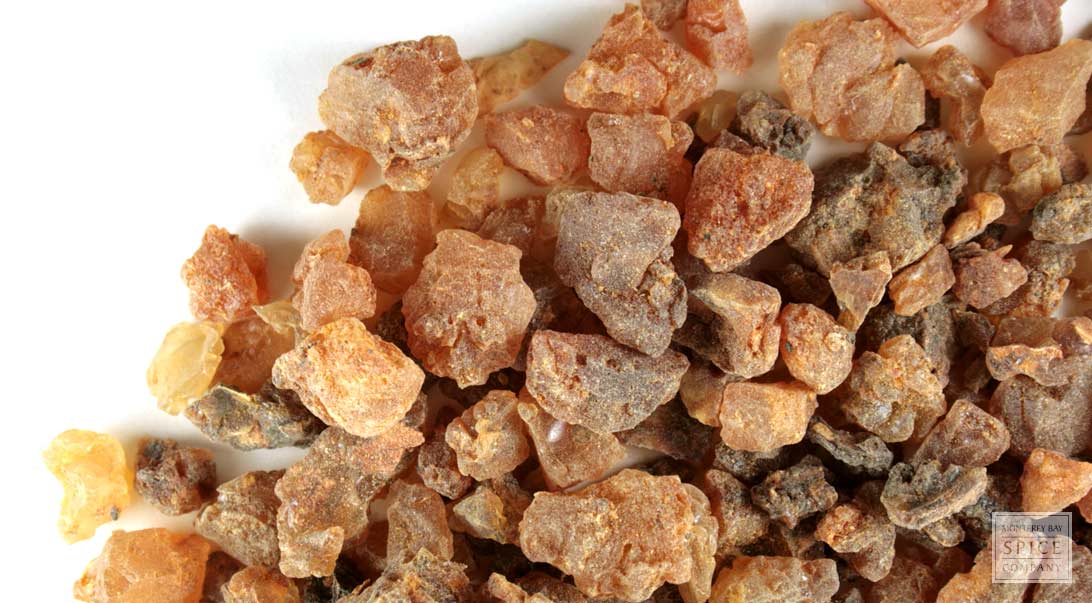
Obtained from a “small thorny tree species” is an essential oil known as Myrrh Oil.  This oil is basically extracted from a tree species known as “Comniphora Myrrha” in the plant kingdom. Furthermore, this essential oil is mainly obtained from the “oleo gum resins” found in the trees belonging to the genus known as “Comniphora”. Apparently, this oil was used in ancient Greece to heal wounds. In addition, it was also commonly used in ancient Egypt in the manufacturing of perfumes.

A. Chemical constituents of Myrrh Oil:

This oil was extracted from a small thorny tree species known as “Comniphora Myrrha” in the plant kingdom. In addition, this oil comprises of organic compounds such as Alpha Pinene, Cadinene, Limonene, Cuminaldehyde, Eugenol, Cresol, Heerabolene, Acetic Acid, Formic Acid, and Sesquiterpenes.

B. The uses and benefits of Myrrh Oil:

There are a number of benefits that one can gain by using this oil. However, one should also consider the adverse reactions or side effects reported from its use:

1. Antifungal:

This oil when used serves as an “antifungal” by helping in the destruction of viruses, and thereby preventing a viral infection.

2. Antimicrobial:

This oil when used exhibits an “antimicrobial” property and helps in the destruction of disease causing microorganisms.

3. Carminative:

This oil when used also helps in resolving issues related to gas formation i.e. flatulence and thereby serves as a carminative.

4. Expectorant:

This oil when used helps in clearing congestion of the lung/chest by stimulating the expulsion of waste materials such as phlegm and mucus, and thereby serves as an expectorant.

5. Diaphoretic:

This oil when used serves as a “diaphoretic” by stimulating the increased production of sweat.

C. The adverse effects of Myrrh Oil:

There are a couple of adverse effects that may occur on using this oil. They are as follows:

  1. This oil if used in excess could prove to be extremely toxic, and hence should be used carefully.

 The use of this oil can severely affect pregnancy, hence pregnant women must avoid using it.

image credit

Mustard Seed Oil

0

Extracted from “seeds” of a plant belonging to the “Brassica” and “Sinapis” genus is an essential oil known as Mustard Seed Oil. This oil is derived from the seeds of a plant known as “Mustard” belonging to the “Brassicaceae” family. Furthermore, this oil is obtained by crushing the mustard seeds, adding water to the powdered seeds, and eventually using the steam distillation process to derive the final product. In addition, this oil possesses a distinctive “pungent” taste since it contains an organic compound known as “allyl isothiocyanate”.

A. Chemical constituents of Mustard Seed Oil:

This oil is derived from the seeds of the “Mustard” plant belonging to the “Brassica” and “Sinapis” genus and the “Brassicaceae” family in the plant kingdom. In addition, this oil also comprises of about 60% monounsaturated fatty acids i.e. euric acid, oleic acid, 21% polyunsaturated fatty acids i.e. omega-3, alpha linolenic acid, and omega 6 linoleic acid and 12% saturated fats. Furthermore, it also possesses an organic compound known as “alkyl isothiocynate” which gives the oil its distinctive “pungent” taste.

B. The uses and benefits of the Mustard Seed Oil:

There are a number of health benefits that an individual can gain by using this essential oil. However, one should also consider the adverse reactions or side effects reported from its use:

1. Antibacterial:

This oil when used helps in destroying disease causing bacteria thereby preventing bacterial infections, and serving as an antibacterial.

2. Stimulant:

This oil also serves as a “stimulant” when used by stimulating various systems in the body such as circulatory, digestive, excretory etc.

3. Diaphoretic:

This oil also helps stimulating the increased production of sweat, and thereby serves as a diaphoretic.

4. Anti-rheumatic:

This oil also exhibits an “anti-rheumatic” property when used and helps inhibiting the symptoms of severe condition known as rheumatoid arthritis.

5. Antifungal:

This oil also possesses an “antifungal” property and when used helps in destroying viruses and preventing viral infections.

C. The adverse effects of the Mustard Seed Oil:

There are a couple of adverse effects that may occur on using this essential oil. They are as follows:

  1. The use of this oil could lead to irritation of the mucous membranes, and hence needs to be used carefully.
  2. This oil usage can also be severely harmful to pregnancy, and hence pregnant women must avoid using it.

image credit