Home Blog Page 6

Chamaemelum Nobile

0

Extracted from a perennial plant known as “chamomile” is an essential oil referred to as Chamaemelum Nobile oil or also called Roman Chamomile. This oil is derived from a plant belonging to the “Chamaemelum nobile” species in the plant kingdom. In addition, this plant from which this oil is obtained is also known as “Anthemis Nobilis”. Furthermore, this oil is extracted from the flowers of the plant using the process of “steam distillation”. In addition, due to the presence of nitrogen this oil is deep blue in colour. This oil also possesses a sweet taste, and an apple like fragrance.

A. Chemical constituents of the Chamaemelum Nobile Oil:

This oil is extracted from a perennial plant known as “chamomile” belonging to the “Chamaemelum nobile” species in the plant kingdom. In addition, this oil comprises of organic compounds such as a-pinene, camphene, b-pinene, sabinene, myrcene, 1,8-cineole, y-terpinene, caryophyllene, propyl angelate and butyl angelate.

B. The uses and benefits of the Chamaemelum Nobile Oil:

There are a number of benefits that one can gain by using this essential oil. However, one should also consider the adverse reactions or side effects reported from its use:

1. Analgesic:

This oil when used helps in providing relief from pain caused by headaches, sprains etc, and thereby serves as an analgesic.

2. Antispasmodic:

This oil comprises of an “antispasmodic” property which inhibits the contraction of muscles, and thereby prevents the formation of spasms in systems such as the digestive, respiratory etc.

3. Antiseptic:

This oil also inhibits the growth of disease causing microbes when used, and thereby serves as an antiseptic by enabling the treatment of wounds.

4. Anti-inflammatory:

This oil also helps in suppressing “inflammation” and swelling and thereby serves as an anti-inflammatory.

5. Antidepressant:

This oil also possesses an “antidepressant” property, and thus acts by suppressing “depression”.

C. The adverse effects of the Chamaemelum Nobile Oil:

There is one major adverse effect that may occur on using this oil. It is as follows:

The use of this oil could severely affect pregnancy, and hence pregnant women must avoid using it.
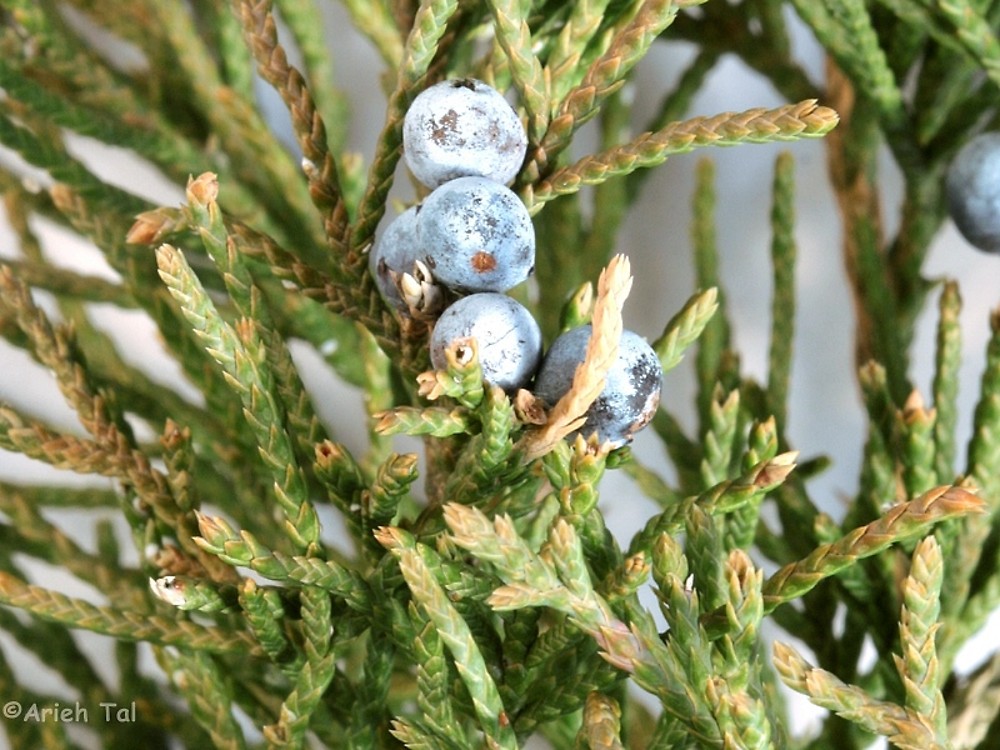
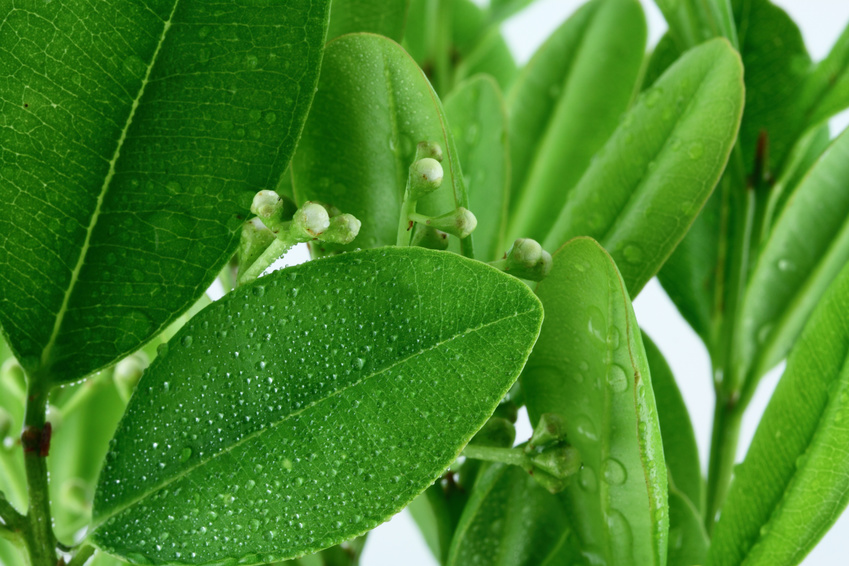
image credit

Juniperus Virginiana

0

Obtained from a tree known as “Red Cedar” is an essential oil called Juniperus Virginiana. This oil is extracted from a tree belonging to the “Juniperus virginiana” species in the plant kingdom. Furthermore, this oil is derived from the wood of the tree using the “steam distillation” process. In addition, the tree from which this oil is extracted from is mainly found in regions located at high altitudes and possessing a cool climate.

A. Chemical constituents of Juniperus Virginiana:

This oil is extracted from the wood of a tree called “Red Cedar/Cedar Wood belonging to the “Juniperus virginiana” species in the plant kingdom. In addition, this oil also consists of organic compounds such as Alpha Cedrene, Beta Cedrene, Cedrol, Widdrol, Thujopsene and a group of Sesquiterpenes.

B. The uses and benefits of Juniperus Virginiana:

There are a number of benefits that an individual can acquire by using this essential oil. However, one should also consider the adverse reactions or side effects reported from its use:

1. Antiseptic:

This oil when used exhibits an “antiseptic” property by enabling the treatment of wounds by destroying disease causing microorganism.

2. Antispasmodic:

This oil comprises of an “antispasmodic” property which when used serves by inhibiting muscles spasms formed in systems such as digestive, respiratory etc.

3. Diuretic:

This oil also serves as a “diuretic” by flushing waste material such as kidney stonr from the respiratory system by stimulating urination.

4. Expectorant:

This oil also helps in expelling phlegm formed within the respiratory system when used, and thereby serving as expectorant.

5. Anti-inflammation:

This oil also helps in the suppression of “inflammation” and swelling and thereby serves as an anti-inflammation.

C. The adverse effects of the Juniperus Virginiana:

There are a number of adverse effects that may occur on using this oil. They are as follows:

  1. The use of this oil can be severely harmful to pregnancy, and hence pregnant women must avoid using it.
  2. This oil if used in excess could lead to skin irritation, and hence must be used with care.
  3. This oil usage could lead to nausea, vomiting, and excessive thirst.

image credit

Ravensara Oil

0

Derived from a plant known as “Clove nutmeg” is an essential oil referred to as Ravensara Oil. This oil is extracted from a plant belonging to the “Ravensara aromatica” species within the plant kingdom. Furthermore, this oil is extracted from leaves of a plant using the “steam distillation” process.  The plant from which this oil is obtained is mainly found on the island of Madagascar located on the east coast of Africa. In addition, this oil has been used within the Madagascarian society for centuries in treatment of various infections.

A. Chemical constituents of Ravensara Oil:

This oil is extracted from the leaves of a plant known “Clove nutmeg” belonging to the “Ravensara aromatica” species within the plant kingdom. In addition, this oil mainly comprises of organic compounds such as alpha pinene, delta carene, caryophyllene, germacreme, limonene, linalool, methyl chavicol, methyl eugenol, sabinene and terpineol.

B. The uses and benefits of Ravensara Oil:

There are a number of health related benefits that an individual can gain by using this oil. However, one should also consider the adverse reactions or side effects reported from its use:

1. Analgesic:

This oil when used helps in relieving pain caused by headaches, sprains etc, and thereby serves as an analgesic.

2. Antiseptic:

This oil also exhibits an “antiseptic” property and therefore when used helps in the treatment of wounds by destroying disease causing microbes.

3. Antifungal:

This oil comprises of an “antifungal” property so when used helps in inhibiting the growth of fungus, and in turn prevents fungal infection.

4. Antidepressant:

This oil is also capable of suppressing depression when used, and thereby serves as an antidepressant.

5. Aphrodisiac:

This oil also serves as an “aphrodisiac” by stimulating sexual desire in an individual.

C. The adverse effects of Ravensara Oil:

There is one major adverse effect that may occur on using this oil. It is as follows:

The use of this oil can severely affect pregnancy, and hence pregnant women must avoid using it.
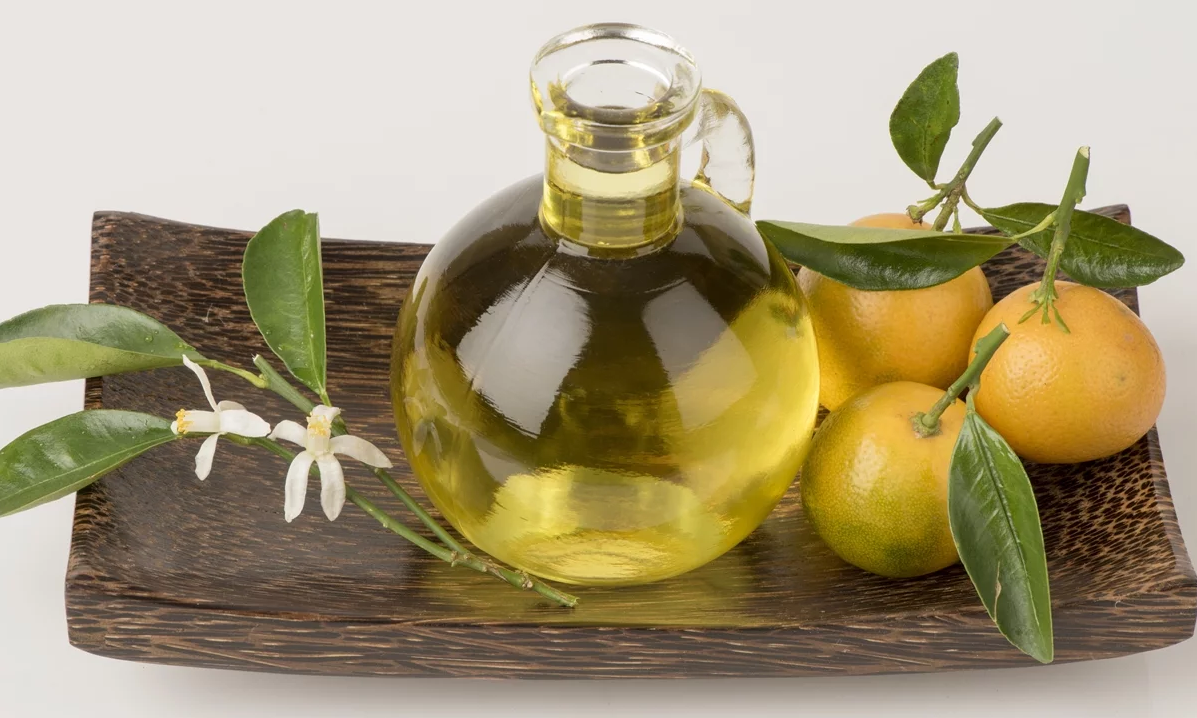
image credit

Pine Oil

0
Essential pine oil

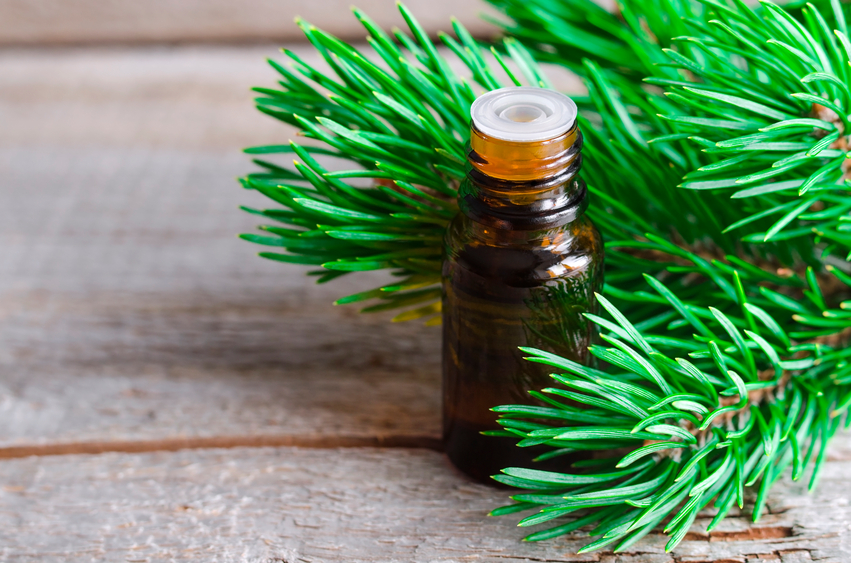
Extracted from a “coniferous tree” is an essential oil known as Pine Oil.  This oil is derived from a type of “pine” tree belonging to the “Pinus slyvestris” in the plant kingdom. Furthermore, this oil is obtained from the cones, stumps, needles, and twigs of a pine tree using the “steam distillation” process. In addition, this oil can beautifully blend in with other oils such as cedarwood, rosemary, juniper etc. This oil is also said to consist of low toxicity levels, and hence is said to be much safer as compared to the other types.

A. Chemical constituents of Pine oil:

This oil is extracted from the cones, stumps, needles, and twigs of the “pine” tree belonging to the “Pinus slyvestris” in the plant kingdom. In addition, this oil mainly comprises of organic compounds such as alpha-Terpineol, cyclic terpene alcohols, terpene hydrocarbons, ethers, and esters.

B. The uses and benefits of Pine oil:

There are a number of benefits that one can gain by using this oil. However, one should also consider the adverse reactions or side effects reported from its use:

1. Analgesic:

This oil when used helps in relieving pain caused by headache, sprains etc, and thereby serves as an analgesic.

2. Anti-anxiety:

This oil also exhibits an “anti-anxiety” property when used, and thereby serves by relieving anxiety in an individual by exerting a calming influence on the nerves and the brain.

3. Diuretic:

This oil when used also helps in flushing out waste material such as kidney stone from the body by stimulating urination.

4. Antiseptic:

This oil when used helps in the treatment of internal and external wounds by destroying disease causing microbes, and thereby serving as an antiseptic.

5. Antiviral:

This oil possesses an “antiviral” property and hence helps in inhibiting the growth of viruses, and thereby preventing viral infections.

C. Adverse effects of Pine oil:

There is only one major adverse effect that may occur on using this oil. It is as follows:

  1. The use of this oil can lead to irritation to the skin and mucous membrane, and hence must be used carefully.

image credit

Petitgrain Oil

0

Derived from a tree belonging to the “Citrus” genus is an essential oil known as Petitgrain oil. This oil is extracted from a tree belonging to the “Citrus aurantium” species in the plant kingdom. Furthermore, this oil is obtained from the fresh leaves and twigs of the tree using the “steam distillation” process. In addition, the tree from which this oil is extracted is also known as “Petitgrain bigarade”.  This oil is renowned for its pleasant aroma, and hence is commonly used in the manufacturing of cosmetics and perfumes.

A. Chemical constituents of the Petitgrain Oil:

This oil is extracted from fresh leaves and twigs of a tree belonging to the “Citrus aurantium” species in the plant kingdom. In addition, this oil comprises of organic compound such as gamma terpineol, geraniol, geranyl acetate, linalool, linalyl acetate, myrcene, neryl acetate and trans ocimene.

B. The uses and benefits of the Petitgrain Oil:

There are a number of benefits related to health that one can derive by using this oil. However, one should also consider the adverse reactions or side effects reported from its use:

1. Antiseptic:

This oil when used helps in the treatment of internal and external wounds by enabling the destruction of disease causing microorganism, and thereby serving as an antiseptic.

2. Antispasmodic:

This oil also exhibits an “antispasmodic” property and thereby when used serves by inhibiting spasms formation, enabling the treatment of conditions such as congestion, convulsions etc.

3. Antidepressant:

This oil when used also helps in suppressing serious mental health related issue such as “depression”, and thereby serves as an antidepressant.

4. Anti-anxiety:

This oil also serves as an “anti-anxiety” agent when used by helping in providing relief from stress by exerting a calming influence on the central nervous system.

5. Hypnotic:

This oil also exhibits a “hypnotic” property when used and thereby serves by inducing sleep especially in individuals suffering from insomnia.

C. The adverse effects of Petitgrain oil:

There is only one major adverse effect that may occur on using this oil. It is as follows:

The use of this oil could severely affect pregnancy, and hence pregnant women must avoid using this.

image credit

Peppermint Oil

0

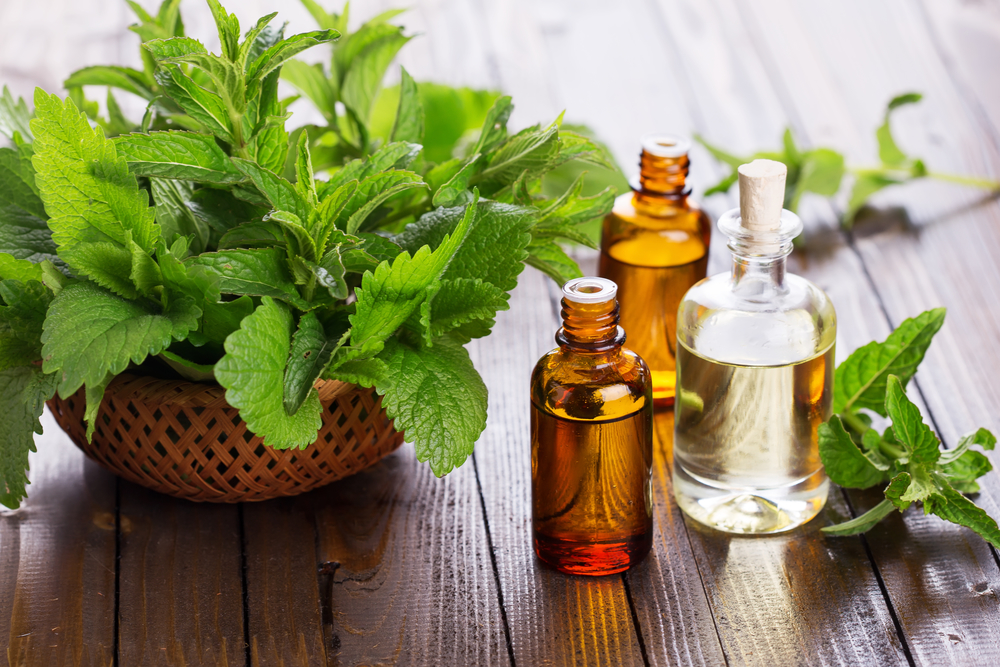
Obtained from a “hybrid mint” family is an essential oil known as Peppermint oil. This oil is extracted from a “hybrid mint” plant belonging to the “Mentha piperita” species in the plant kingdom. Furthermore, this oil is extracted from the fresh or partly dried plant using the “steam distillation” process. In addition, this oil is clear to pale yellow in colour, and possesses a menthol like aroma.  This oil is also commonly used in the form of tablets and capsules in what is known as “alternative medicine”.

A. Chemical constituents of Peppermint Oil:

This oil is extracted from the fresh or partly dried hybrid plant belonging to the “Mentha piperita” species in the plant kingdom. In addition, this oil consists of organic compounds such as menthol, menthone, 1,8-cineole, methyl acetate, methofuran, isomenthone, limonene, b-pinene, a-pinene, germacrene-d, trans-sabinene hydrate and pulegone.

B. The uses and benefits of Peppermint Oil:

There are a number of benefits related to health that one can obtain by using this oil. However, one should also consider the adverse reactions or side effects reported from its use:

1. Digestive:

This oil when used helps in the maintenance of normal digestion by stimulating the release of gastric juices, bile in the stomach, and thereby serves as a digestive.

2. Analgesic:

This oil also comprises of an “analgesic” property and when used helps in relieving pain caused by headaches, sprains etc.

3. Anti-anxiety:

This oil also helps in suppressing anxiety issues in an individual when used, and thereby serves as an anti-anxiety agent.

4. Antispasmodic:

This oil comprises of “antispasmodic” property and thus helps in suppressing spasms that may occur in the systems such as digestive, respiratory, central nervous system etc.

5. Carminative:

This oil also helps in resolving gas formation issues i.e. flatulence formed in the gastrointestinal system, and thereby serves as a carminative.

C. The adverse effects of Peppermint oil:

There are a couple of adverse effects that could occur on using this oil. They are as follows:

  1. The use of this oil may lead to allergic reactions such as flushing, headaches, mouth sores etc, and hence must be administered with care.

This oil usage may also lead to heartburns, and hence must be used carefully.

image credit

Mentha Pulegium Oil

0

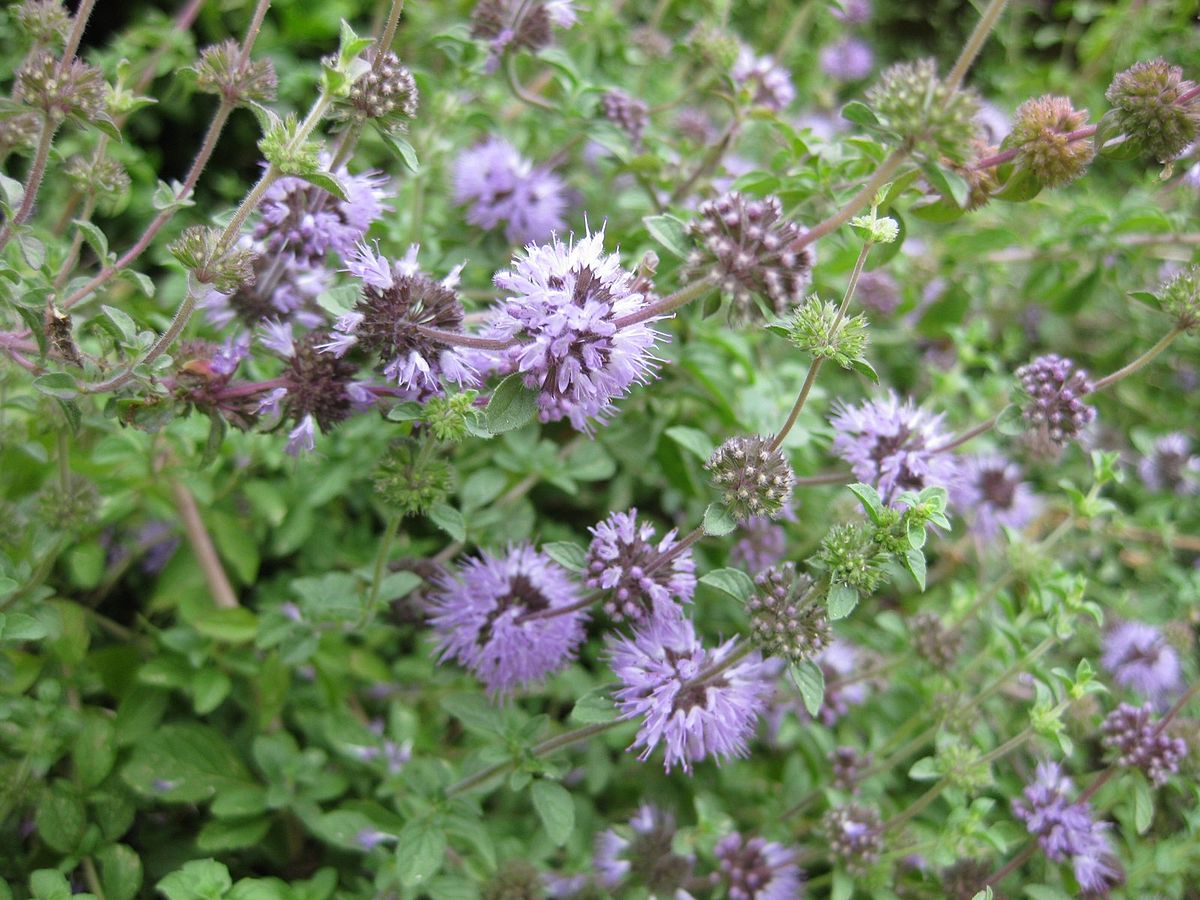
Also known as “Pennyroyal” is an essential oil referred to as Mentha Pulegium Oil. This oil has been extracted from a flowering plant belonging to the “Mentha pulegium” species in the plant kingdom. Furthermore, this oil is obtained from the leaves of the plant using the “steam distillation” process. In addition, this oil possesses a “mint” like aroma. This oil is also said to be poisonous due to the presence of an organic compound (in high concentration) known as “pulegone”.

A. Chemical constituents of Mentha Pulegium Oil:

This oil is derived from the leaves of a plant belonging to the “Mentha pulegium” species in the plant kingdom. In addition, this oil comprises of organic compounds such as isomenthone, neomenthone, menthone and pulegone. However, it is pulegone that is the major active chemical component of this oil.

B. The uses and benefits of Mentha Pulegium Oil:

There are a number of benefits to health that an individual can derive on using this oil. However, one should also consider the adverse reactions or side effects reported from its use:

1. Antibacterial:

This oil when used helps in inhibiting the growth of bacteria, prevents bacterial infections, and thereby serves as an antibacterial.

2. Anti-hysteric:

This oil helps in preventing sudden hysterical attacks such as convulsions, unconscious violent attacks etc when used since it possesses a property that calms the nerves and brains.

3. Antiseptic:

This oil also exhibits an “antiseptic” property when used and thus helps in the treatment of internal and external wounds by destroying disease causing microbes.

4. Depurative:

This oil also comprises of components that help “purify blood” by removing toxins, and thereby when used serves as a depurative.

5. Digestive:

This oil when used also helps in normal digestion by stimulating the proper release of gastric juices, bile in the stomach, and thereby serving as a digestive.

C. The adverse effects of the Mentha Pulegium Oil:

There are a couple of adverse effects that may occur on using this oil. They are as follows:

  1. The use of this oil can severely affect pregnancy, and hence pregnant women must avoid using it.
  2. Since this oil is highly toxic i.e. poisonous hence it must be used carefully and administered using the appropriate dose.

image credit

Perilla Oil

0

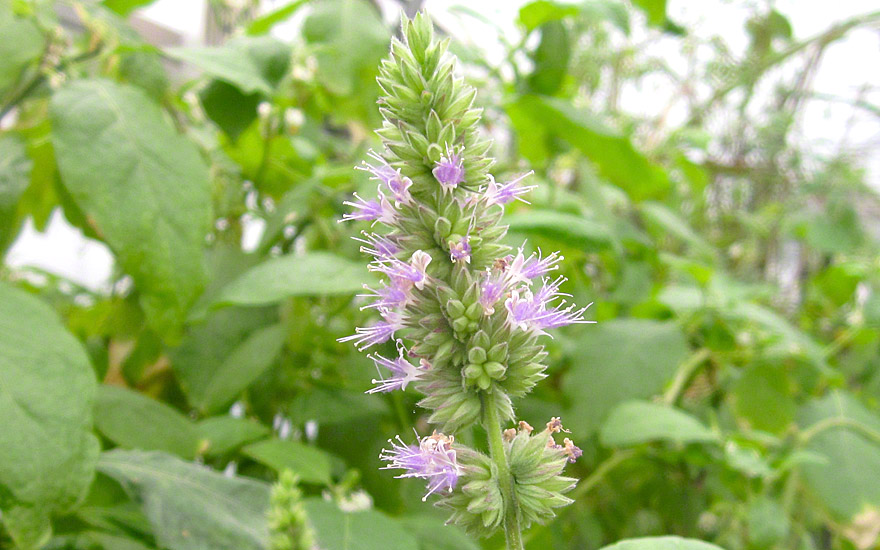
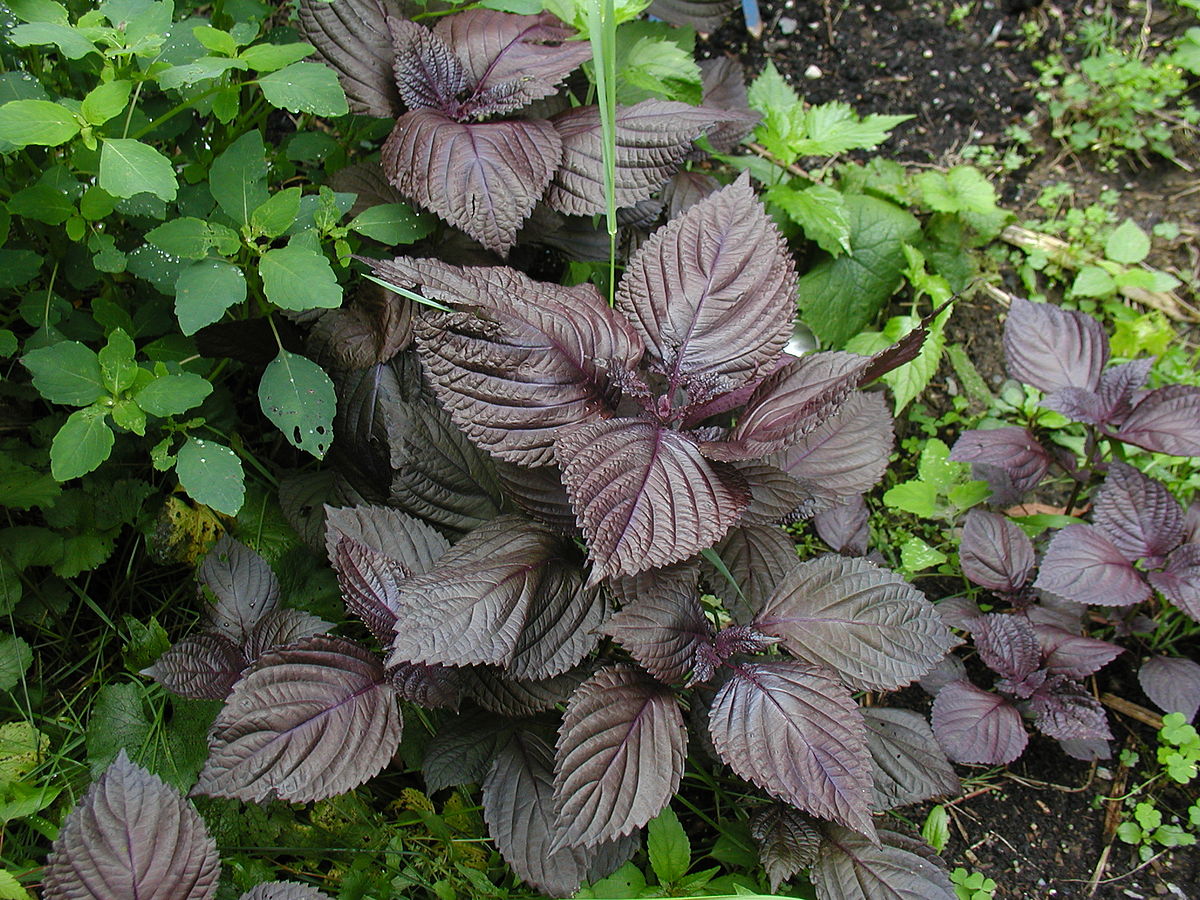
Derived from a plant grown in the “wild” is an essential oil known as Perilla Oil. This oil is extracted from a plant called “Perilla” belonging to the “Perilla frutescens” species in the plant kingdom. Furthermore, this oil is basically obtained from the leaves of the plant using the “steam distillation” process. This oil possesses a pleasant mint like fragrance. In addition, this oil is frequently used in the manufacturing of perfumes and cosmetics.

A. Chemical constituents of Perilla Oil:

This oil is extracted from leaves of a plant called “Perilla” belonging to the “Perilla frutescens” species in the plant kingdom. In addition,  this oil comprises of organic compounds such as Perillene, linonene, myristicin, beta-caryophyllene, linalool, myristicin, beta-farnesene, citral, l-perillaldehyde, perilla ketaone, rosmarinic acid and perillyl alcohol.

B. The uses and benefits of Perilla Oil:

There are a number of benefits to health that one can gain by using this oil. However, one should also consider the adverse reactions or side effects reported from its use:

1. Antioxidant:

This oil when used helps in eliminating harmful free radicals in the body, and helps in preventing neurodegenerative diseases, cancer, cardiovascular disease, diabetes etc.

2. Anti-inflammatory:

This oil possesses an “anti-inflammatory” property and when used helps in suppressing conditions such as inflammation and swelling.

3. Anti-cancerous:

This oil exhibits an “anti-cancerous” property and thus helps in preventing cancer by inhibiting the “angiogenesis” process which stimulates the proliferation of cancerous cells.

4. Anti-anxiety:

This oil when used also helps by reducing anxiety in an individual, and thereby serves as an anti-anxiety agent.

5. Antibacterial:

This oil also exhibits an “antibacterial” property which when used inhibits the growth of bacteria, and thereby helps in preventing bacterial infection.

C. The adverse effects of the Perilla Oil:

There are a couple of adverse effects that could occur on using this oil. They are as follows:

  1. The use of this oil could cause allergic reactions, and hence must be used carefully.
  2. This oil if used in excess could be toxic, and hence must be used in moderate dosage forms.

image credit

Patchouli Oil

0

Extracted from a plant belonging to the “mint” family is an essential oil known as Patchouli Oil. This oil is derived from a “bushy herb” belonging to the “Pogostemon cablin” species in the plant kingdom. Furthermore, this oil is extracted from the dried leaves of the plant using the “steam distillation” process. In addition, this oil is light golden brown to dark amber brown in colour.  This oil is frequently used in the manufacturing of perfumes due to its pleasant aroma.

A. Chemical constituents of Patchouli Oil:

This oil is obtained from the dried leaves of a plant belonging to the “Pogostemon cablin” species in the plant kingdom. Furthermore, this oil mainly comprises of organic compounds that include Germacrene-B, Patchoulol, and Norpatchoulenol. However, the major organic chemical component found in this oil is patchoulol, which essentially is a sesquiterpine alcohol.

B. The uses and benefits of Patchouli Oil:

There are a number of benefits that one can gain by using this oil. However, one should also consider the adverse reactions or side effects reported from its use:

1. Antifungal:

This oil when used helps in curbing the growth of viruses and preventing viral infections, thereby serving as an antiviral.

2. Anti-inflammatory:

This oil exhibits an “anti-inflammatory” property when used, and thereby helps in suppressing conditions such as inflammation and swelling.

3. Antiseptic:

This oil when used also helps in treating internal and external wounds, and thereby serves as an antiseptic.

4. Aphrodisiac:

This oil also helps stimulate sexual desire in an individual when used, and thereby acts as an aphrodisiac.

5. Antidepressant:

This oil also helps in maintaining a good mental state when used by suppressing depression, and thus serves as an antidepressant.

C. The adverse effects of the Patchouli Oil:

There are a number of adverse effects that may occur on using this oil they are as follows:

  1. The use of this oil can severely affect pregnancy, and hence pregnant women must avoid using it.
  2. This oil when used may also lead to skin irritation especially in individuals who have sensitive skin, and hence it must be used carefully.

image credit

Parsley Oil

0

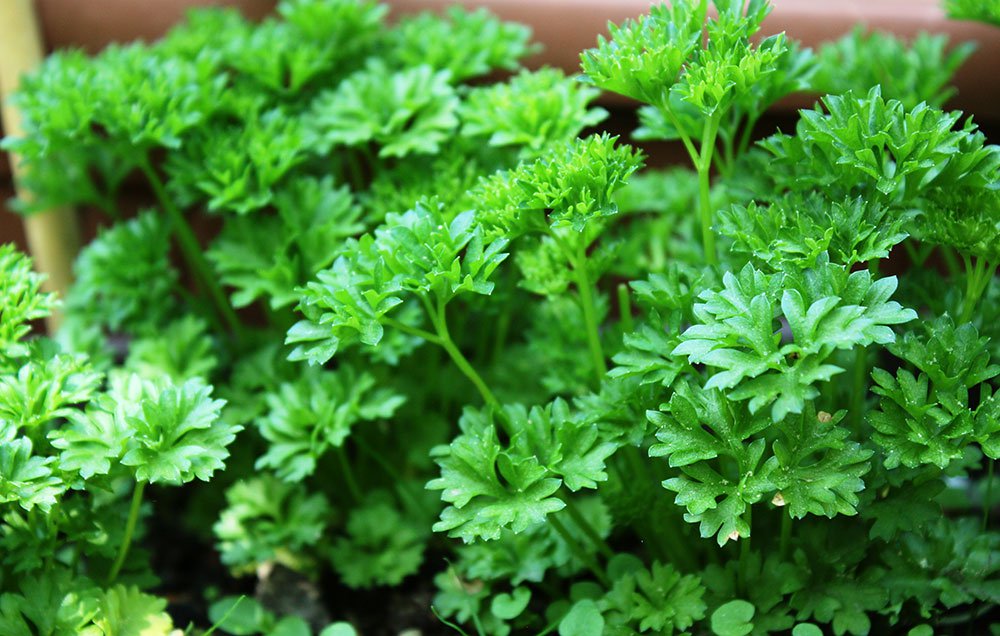
Obtained from a flowering plant known as “Garden parsley” is an essential oil known as Parsley Oil. This oil is basically extracted from a flowering plant belonging to the “Petroselinum crispum” species in the plant kingdom. Furthermore, this oil is derived from dried seeds of the flowering plant using the “steam distillation” process. Apparently, it is considered to be the oldest spice known to mankind. In addition, it is used regularly in food in regions such as Europe, Middle East, and the United States of America.

A. Chemical constituents of Parsley Oil:

This oil is extracted from a flowering plant known as “Garden parsley” belonging to the “Petroselinum crispum” species in the plant kingdom. In addition, this oil also comprises of organic compounds such as apiole, myristicin, pinene and tetramethoxyally benzene.

B. The use and benefits of Parsley Oil:

There are a number of benefits that one can gain by using this oil. However, one should also consider the adverse reactions or side effects reported from its use:

1. Antiseptic:

This oil exhibits an “antiseptic” property when used, and thereby helps in treating internal and external wounds by destroying disease causing microbes.

2. Carminative:

This oil also possesses a “carminative” property and thus when used helps in resolving issues related to gas formation i.e. flatulence within the gastrointestinal system.

1. Diuretic:

This oil when used also helps in removal of waste products such as kidney stone from the urinary system by stimulating urination.

2. Digestive:

This oil when used also aids in maintaining normal digestion by stimulating the normal secretion of gastric juices, bile etc into the stomach.

3. Hypotensive:

This oil may also act as a “hypotensive” when used by enabling the lowering of blood pressure in the human body, and thereby reducing risk of a heart attack.

C. The adverse effects of Parsley Oil:

There are a couple of adverse effects that could occur on using this oil. They are as follows:

  1. This oil when used could severely affect pregnancy, and hence pregnant women must avoid using it.
  2. The usage of this oil could prove to be toxic to critical organs such as the liver, and hence it must be used very carefully.

image credit