Home Blog Page 15

ASAFOETIDA OIL- ASAFOETIDA

0

Extracted from the “rhizome or tap root” of several species of a type of a herb called Ferula is an essential oil known as Asafoetida. This essential oil is derived from an herb called Asafoetida that grows to about 1 to 1.5 meters in length. Furthermore, this oil is obtained by steam distilling the gum acquired from the incisions made in the root of the herb/plant. In addition, this oil is pale yellow-golden yellow in colour and possesses an extremely “pungent and irritating” odour.

A. Chemical components of the Asafoetida Oil:

This oil is derived from an herb that belongs to a species known as “Ferula Asafoetida”. In addition, this essential oil comprises of organic compounds such as araesinotannols A and B, ferulic acid, and umbelliferone.

B. The use/benefits of the Asafoetida Oil:

There exist a few beneficial effects of this oil when used on the body. The effects are as follows:

  1. Anti-flatulent: This oil possesses curative properties that helps in resolving issues related to formation of gas within the gastrointestinal system.
  2. Antimicrobial: This oil also comprises of medicinal properties that helps in destroying disease causing microorganism, and acts as an ideal “antimicrobial” with relation to treatment of skin tissues.
  3. Laxative: This oil also comprises of medicinal properties that helps resolving bowel problems by stimulating proper bowel movements, and thereby serving as a Laxative.
  4. Anti-spasmodic: This oil also comprises of medicinal properties that help suppressing muscle spasms, and thereby severing as an anti-spasmodic.
  5. Anthelmintic: This oil also comprises of medicinal properties that help destroy parasites that inhibit the gastrointestinal system, and act as an anthelmintic.

 C. The adverse effects of the Asafoetida Oil:

Apart from the benefits acquired from the use of Asafoetida Oil there also exists a few adverse effects. These effects are as follows:

  1. The use of this essential oil leads to heartburn or acidity formation in the stomach.
  2. The use of this essential oil also leads to frequent headaches.
  3. The use of this essential oil in rare cases could also result in diarrhea.
  4. The use of this essential oil could also cause uterine contractions which could unfortunately lead to a miscarriage in a woman.
ANISE OIL- ANISEED

0

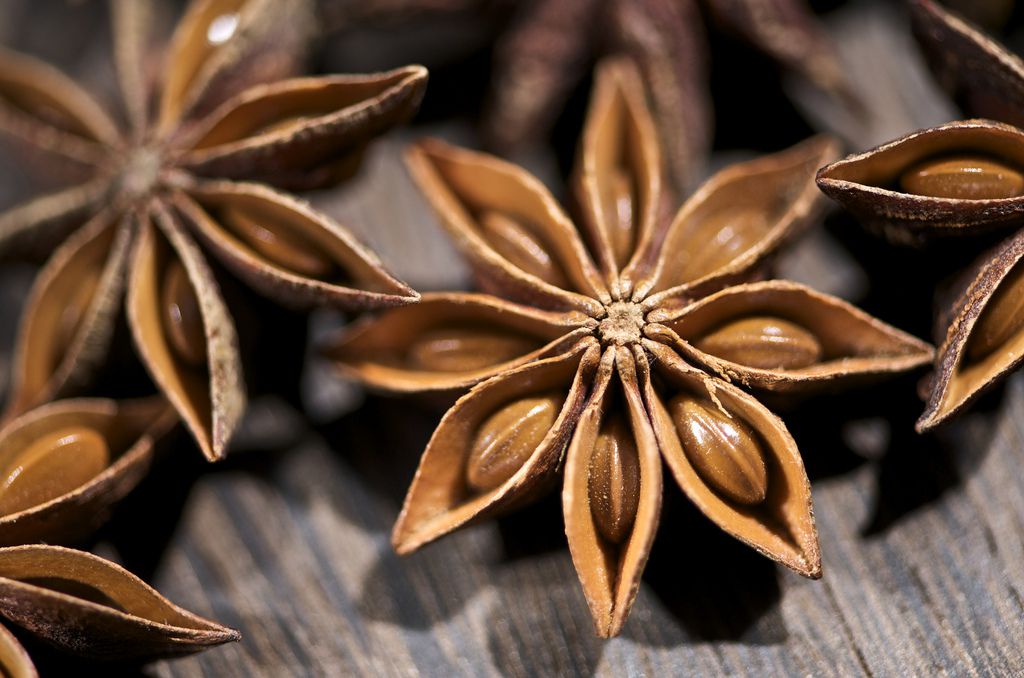
Obtained using the process of either “steam distillation or extraction” is an essential oil known as Anise. This essential oil is derived from Aniseed. Furthermore, this oil is basically “sweet” in taste and is colourless or may also even appear pale yellow. In addition, the aniseed from which this essential oil is acquired is also referred to as “cumin seeds”. It is member of the family to which Parsley and Fennel belong to.

A. Chemical components of the Anise Oil:

The Anise oil is derived from Aniseed which belongs to the “Pimpinella Anisum” species in the “plantae” kingdom. In addition, this oil mainly comprises of organic compounds such as 80 to 90% of anethole, 4- anisaldehyde, estragole, and pseudosioeugenyl 2-methylbutyrates.

B. Uses/benefits of the Anise Oil:

This essential oil derived from Aniseed when used has several beneficial effects. These effects are as follows:

  1. Antirheumatic: This oil possesses medicinal properties that help in the treatment of “rheumatoid arthritis” and thereby serves as an ideal antirheumatic agent.
  2. Antiseptic: This oil possesses curative properties that prevent the growth of microorganism over wounds. In addition, the antiseptic property of this oil also provides for protection against infections and a condition called sepsis.
  3. Carminative: This oil possesses medicinal properties capable of resolving issues related to gas formation within the gastrointestinal system, and thereby serves as an ideal carminative.
  4. Decongestant: This oil also comprises of medicinal properties that helps in clearing congestion in the lungs, and thus serves as a decongestant.
  5. Antispasmodic: This oil also consists of medicinal properties that helps in suppressing muscle spasms, and thus serves as an ideal antispasmodic.

 C. The adverse effects of the Anise Oil:

The use of this oil could lead to a few adverse effects, and they are as follows:

  1. If this oil is used in heavy dosages, it could lead to the slowing down of respiration and circulation within the body respectively.
  2. In higher dosage this oil could turn poisonous and hence children, birds, and animals must be protected from it.
  3. It may also cause irritation to the skin, and hence must not be applied.
  4. It could also cause aggravation of certain types of cancers due to its effect on the hormone estrogen. In addition, its application must be avoided during pregnancy.

image credit

ANGELICA OIL- ANGELICA

0

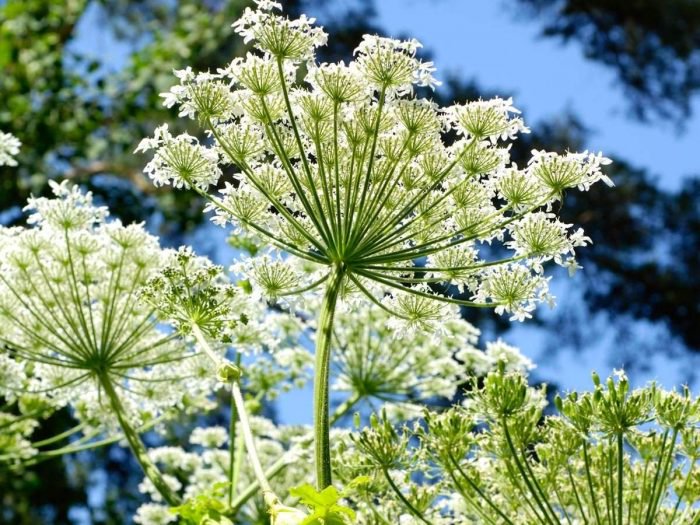
“Oil of the angels” is how an essential oil known as Angelica is commonly referred to as. This oil is derived from Angelica a genus within the “plantae” kingdom comprising mainly of tall biennial and perennial herbs. Furthermore, the Angelica biennial and perennial herbs can be mainly seen in the northern hemisphere in countries such as Iceland and Greenland. In addition, the active ingredient of this oil is basically found in the roots and rhizomes of the herb Angelica.

A. Chemical components of the Angelica Oil:

This essential oil is derived from a genus of herbs known as “Angelica”. Furthermore, there are about 60 species of herbs belonging to this genus. In addition, this oil derived from the Angelica herb genus mainly comprises of an organic chemical compound known as “furanocoumarins”.

B. The uses/benefits of the Angelica Oil:

There are a number of benefits in applying Angelica oil. A few of these benefits are as follows:

  1. Carminative: This essential oil comprises of medicinal properties that helps in clearing out gas from the gastrointestinal system. In other words, this oil helps in dealing with gastric issues such as indigestion, flatulence, and nausea.
  2. Antispasmodic: This oil also possesses properties that are capable of suppressing muscle spasms, and thereby serve as an ideal antispasmodic.
  3. Diuretic: This oil also comprises of “diuretic” properties capable of removing excess fluids from the body. And so this oil is capable of treating conditions such as kidney stones, hypertension, gout, rheumatism, and arthritis.
  4. Hepatic system: This oil also comprises of properties that is capable of maintaining the liver system. Furthermore, this oil by stimulating secretions from the liver manages the entire system.
  5. Relaxant: This oil also comprises of “relaxant” properties which enables the body, mind, and nervous system to completely relax.

 C. The adverse effect of the Angelica Oil:

There are a few adverse effects that application of this oil could cause, and they are as follows:

  1. This oil when used affects the nervous system and may cause irritation.
  2. It affects pregnant women so this oil must be avoided during pregnancy.

It also affects diabetic individuals and so people with diabetes must avoid using this oil.

image credit

AJWAIN OIL- AJWAIN

0

Prepared using what is known as “Bishop’s weed” is an essential oil known as Ajwain oil. This essential oil is derived from seeds known as Ajwain or Ajowan. Furthermore, this oil is produced using a technique known as “hydrodistillation”. In addition, this oil is basically colourless, possesses a strong odour, and comprises of a distinctive taste. The seeds (Ajwain) used to produce this oil includes mineral, fiber, moisture, calcium, iron, phosphorous, carotene, thiamine, niacin, and riboflavin.

A. Chemical components of the Ajwain oil:

The “Ajwain seeds” basically belong to the “Trachyspermum ammi” species within the kingdom plantae. In addition, Ajwain oil derived from the “seeds” comprise of thymol, gamma-terpinene, p-cymene, and about 20 terpenoids i.e. a class of organic chemicals.

B. The use/benefits of the Ajwain oil:

The Ajwain oil when used has a number of beneficial effects on a few human body systems and they are as follows:

  1. Gastrointestinal Tract: This essential oil possesses medicinal properties capable of resolving issues such as the development of flatulence. In addition, this oil also possesses anthelmintic properties which help destroy intestinal parasites present in the intestines.
  2. Respiratory system: Respiratory conditions such as asthma, bronchitis, whooping cough etc can be treated using this essential oil.
  3. Urinary system: This essential oil possesses a strong “diuretic” property, and hence is very helpful in treating urinary tract infections, and conditions such as kidney stones.
  4. Cardiovascular System: This essential oil also has a beneficial effect on the heart. Furthermore, when used it basically helps in improving the functioning of the heart beat from an “abnormal” state to a “normal” one.
  5. Reproductive System: This essential oil is known to possess “aphrodisiac” properties, and hence is helpful to both the male and female reproductive system. In addition, this oil works on the reproductive system by improving virility along with the secretions of estrogen and progesterone hormones.

 C. The adverse effects of the Ajwain Oil:

The use of Ajwain Oil could lead to certain adverse effects. They are as follows:

  1. The essential oil could cause photosensitivity in a human being if not taken in the appropriate dosage.
  2. An overdose of this essential oil could also lead to acidity, burning sensation, and mouth ulcer.

image credit

AGAR OIL- AGARWOOD

0

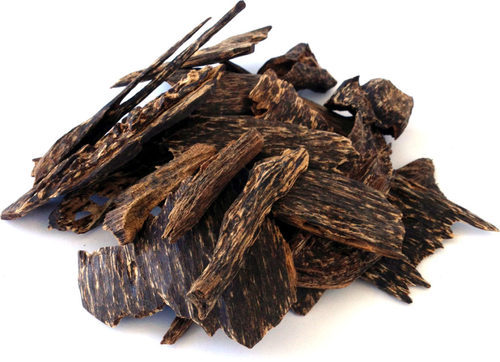
Also known as “Oud” is an essential oil known as Agar. This oil is basically derived from a dark resinous wood known as Agarwood or Aloeswood. This essential oil is mainly found in the north-east of India, Bhutan, and Southeast Asia in countries such as Vietnam, Cambodia, Philippines, and Indonesia. Furthermore, this oil is renowned for a number of beneficial medicinal properties. In addition, since agarwood as a natural resource is extremely rare the oil is extremely expensive.

A. Chemical components of the Agar Oil:

Agarwood basically belongs to a species known as “Aquilaria malaccensis” within the kingdom plantae. In addition, agar oil comprises of about 150 chemical compounds of which 70 belong to an organic chemical known as “Terepenoids”. Furthermore, this oil also consists of compounds such as agarofurans, cadinanes, eudesmanes, valencanes, eremophilanes, guaianes, prezizanes, vetispiranes, and other simple aromatic compounds.

B. The uses/benefits of the Agar Oil:

Agar oil comprises of medicinal properties that proves to be beneficial for those who use it. So there are a few benefits that can be derived by using this oil and they are as follows:

  1. Anti-Rheumatic: This oil comprises of medicinal properties that can be useful in curing a joint and muscle condition known as “rheumatism” and hence can serve as an ideal “Anti-rheumatic”.
  2. Anti-Stress: “Stress” has become part and parcel of human life and this oil possesses property to relieve stress and act as an ideal “Anti-stress” agent.
  3. Antimicrobial: This oil possesses properties that helps destroy microorganism and thereby serves as an ideal “antimicrobial”.
  4. Carminative: This oil possesses properties that inhibit the formation of gas (i.e. flatulence) and serves as an ideal “Carminative”.
  5. Analgesic: This oil possesses properties that helps relieve pain and thereby serves as an ideal Analgesic.
  6. Anticonvulsant: This oil possesses properties that helps preventing epileptic seizures and serves as an ideal anticonvulsant agent.
  7. Aphrodisiac: This oil also possesses properties that stimulate sexual desires within an individual and thereby serves as an ideal Aphrodisiac.

 C. Adverse effects of the Agar Oil:

The use of agar oil may lead to a couple of adverse effects on the body. The side effects are as follows:

  1. The use of this oil could lead to skin issues.
  2. The overuse of this oil leads to nausea, stomach rumble, and diarrhea.

image credit

Tangerine Oil

0

Obtained from a fruit belonging to the “citrus” family is an essential oil known as Tangerine Oil. This oil is extracted from a fruit belonging to the “Citrus tangerina” species in the plant kingdom.  Furthermore, this oil is derived from the peel of the fruit using the “cold compression” process. This oil is said to be a great source of vitamin-C, folate, and beta-carotene. In addition, this oil is supposed to blend well with others such as bergamot, cinnamon, clary sage, clove, frankincense, lavender, nutmeg, and neroli.

A. Chemical constituents of Tangerine Oil:

This oil is extracted from the peel of a “citrus fruit” known as “tangerine” belonging to the “Citrus tangerina” species in the plant kingdom. In addition, this oil comprises of organic compounds such as alpha pinene, alpha thujone, beta pinene, camphene, citronellal, gamma terpinolene, geranial, limonene, linalool, myrcene, nerol, sabinene and terpineol.  However, it is “limonene” that forms the major organic compound of this essential oil.

B. The uses and benefits of Tangerine Oil:

There are several benefits related to health that one can gain by using this oil. However, one should also consider the adverse reactions or side effects reported from its use:

1. Antiseptic:

This oil when used serves as an “antiseptic” enabling the treatment of wounds by destroying disease causing microbes.

2. Antispasmodic:

This oil comprises of an “antispasmodic” property, and thereby serves in treatment of conditions such as coughs, diarrhea etc by inhibiting the contraction of muscles.

3. Sedative:

This oil also serves as a “sedative” by inducing sleep and exerting a calming influence on the body of an individual.

4. Depurative:

This oil when used “purifies” by enabling the removal of toxic substance from the blood such as uric acid, excessive salt and water etc, and thereby serves as a depurative.

5. Cytophylactic:

This oil helps in stimulating the generation of new cells when used, and thereby serves as a cytophylactic.

C. The adverse effects of Tangerine oil:

There are a couple of major adverse effects that may occur on using this oil. They are as follows;

  1. The use of this oil can severely affect pregnancy, and hence pregnant women must avoid using it.

This oil when used may lead to “photo toxicity” especially in those individuals possessing sensitive skin.

image credit