Home Blog Page 5

Spearmint Oil

0

Extracted from a plant known as “Garden mint” is an essential oil known as Spearmint Oil. This oil is obtained from a plant belonging to the “mint” family as well as to the “Mentha spicata” species in the plant kingdom.  Furthermore, this oil is derived from the flowering tops of the plant using the “steam distillation” process. In addition, due to the presence of menthol this oil comprises of a “peppermint” like aroma. This oil is also used commonly as a substitute to “peppermint” oil when not available.

A. Chemical constituents of Spearmint Oil:

This oil is basically extracted from a plant belonging to the “mint” family as well as to “Mentha spicata” species in the plant kingdom.  In addition, this oil consists of organic compounds such as Alpha Pinene, Beta Pinene, Carvone, Cineole, Caryophyllene, Linalool, Limonene, Menthol and Myrcene.

B. The uses and benefits of Spearmint Oil:

There are a number of benefits that one can obtain by using this essential oil. However, one should also consider the adverse reactions or side effects reported from its use:

1. Antiseptic:

This oil serves as an “antiseptic” when used and thereby helps in treating wounds by destroying disease causing microbes.

2. Antispasmodic:

This oil when used also serves as an “antispasmodic” by inhibiting muscle spasms formation within the body system.

3. Carminative:

This oil also serves as a “carminative”, and when used resolves the issue of gas formation i.e. flatulence within the gastrointestinal system.

4. Emenagogue:

This oil when used helps resolving issues such as irregular periods, obstructed menses etc thereby serving as an emenagogue.

5. Stimulant:

This oil serves as a “stimulant” when used by promoting the secretion hormones and enzymes in the body, and thereby helps maintain a high metabolic activity rate.

C. The adverse effects of Spearmint Oil:

There is one major adverse effect that may occur on using this essential oil. It is as follows:

  1. This oil when used can severely affect pregnancy, and hence pregnant women must avoid using it.

image credit

Schisandra Chinensis

0

Derived from a “deciduous woody vine” is an essential oil known as Schisandra Chinensis oil. This oil has been extracted from a vine belonging to the “Schisandra Chinensis” species in the plant kingdom. Furthermore, this oil is obtained from a fruit known as “magnolia berry” (which is dehydrated) using the CO2 extraction process. In addition, this oil is reddish-brown in colour, and comprises of a mild aroma and a sweet-sour odour. The vine from which this oil is extracted is mainly cultivated in Korea, China, and Russia.

A. Chemical constituents of Schisandra Chinensis Oil:

This oil is derived from a fruit known as “magnolia berry” belonging to the “Schisandra Chinensis” species in the plant kingdom. In addition, this oil comprises of organic compounds such as lignans, schisandrin, deoxyschisandrin, gomisins, and pregomisin.

B. The uses and benefits of Schisandra Chinensis Oil:

There are a number of health related benefits that an individual can obtain by using this oil. However, one should also consider the adverse reactions or side effects reported from its use:

1. Antidepressant:

This oil when used exhibits an “antidepressant” property and thereby serves by suppressing depression.

2. Aphrodisiac:

This oil serves as an “aphrodisiac” when used by stimulating sexual desire in an individual.

3. Analgesic:

This oil when used serves as an “analgesic” by relieving pain caused by headaches, sprains etc.

4. Hypnotic:

This oil when used helps induce sleep mainly in individuals suffering from insomnia, and thereby serves as a hypnotic.

5. Digestive:

This oil also serves as a “digestive” when used, and thereby helps in normal digestion by regulating the secretion of gastric juices etc in the stomach.

C. The adverse effects of Schisandra Chinensis Oil:

There are a couple of adverse effects that may occur on using this oil. They are as follows:

image credit

Satureja Oil

0

Derived from a “perennial/annual herb” is an essential oil known as Satureja oil. This oil is extracted from a plant belonging to the “Satureja hortensis” and “Satureja montana” species in the plant kingdom. Furthermore, this oil is derived from the leaves and at times flowers of the plant using the process of “steam distillation”. In addition, this oil is pale yellow to orange in colour, and comprises of a slightly sweet aroma.

A. Chemical constituents of the Satureja Oil:

This oil is extracted from the leaves and at times flowers of plant belonging to the “Satureja hortensis” and “Satureja montana” species in the plant kingdom. In addition, this oil mainly comprises of organic compounds such as oregano, thyme, 30-40% carvacrol, 20-30% thymol, cineol, cymene, and pinene.

B. The uses and benefits of the Satureja Oil:

There are a number of benefits that one can attain by using this oil. However, one should also consider the adverse reactions or side effects reported from its use:

1. Antiseptic:

This oil possesses an “antiseptic” property, and thereby when used serves by treating wounds by destroying disease causing microorganism.

2. Antifungal:

This oil when used also helps in inhibiting the growth of fungus, helps prevent fungal infection, and thereby serves as an antifungal.

3. Antiviral:

This oil also exhibits an “antiviral” property and thereby helps preventing viral infection.

4. Antimicrobial:

This oil also when used helps in preventing the growth of all kinds of disease microorganism, and thereby serves as an antimicrobial.

5. Aphrodisiac:

This oil also serves as an “aphrodisiac” when used by stimulating sexual desire in an individual.

C. The adverse effects of the Satureja Oil:

There are a couple of adverse effects that could occur on using this essential oil. They are as follows;

  1. This oil if used in its undiluted form could cause skin irritation, and hence must be diluted before applying.

This oil when used can severely damage pregnancy, and hence pregnant women must avoid using it.
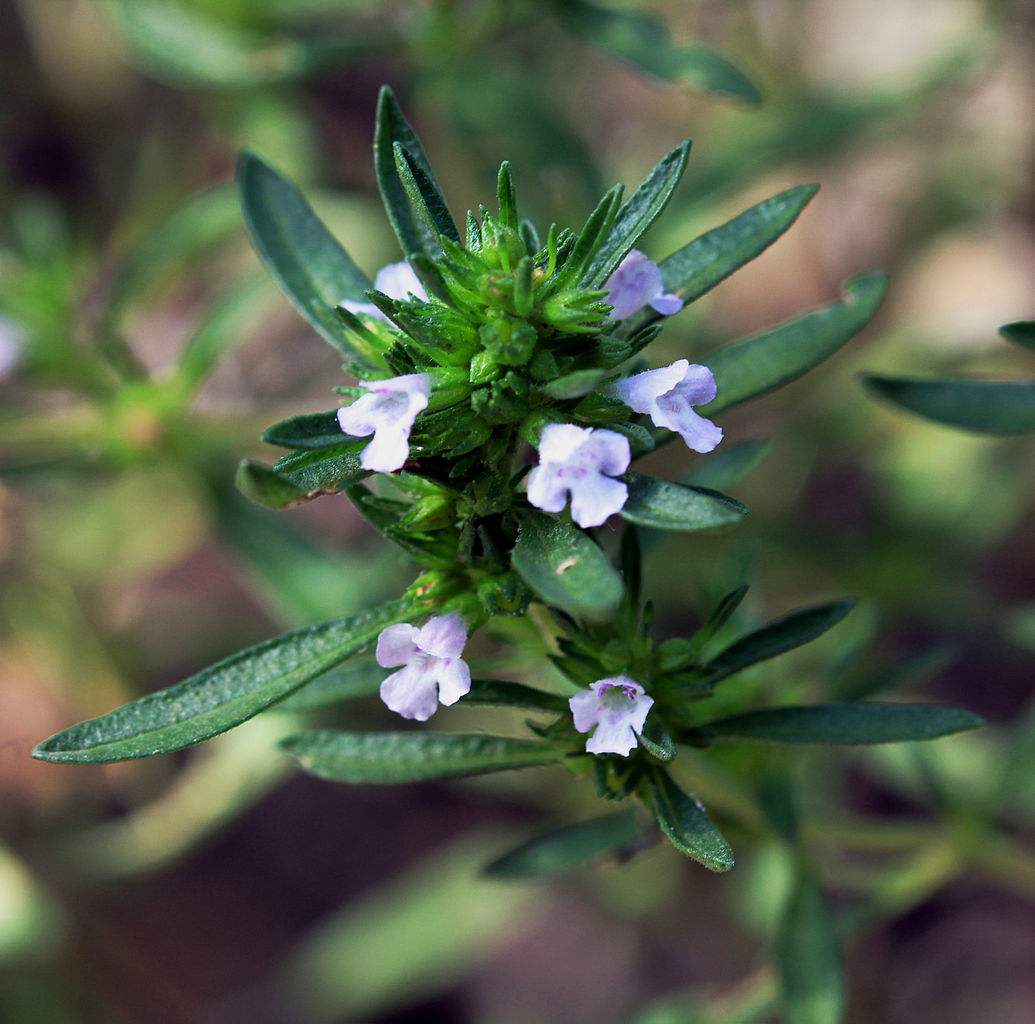
image credit

Sassafras Oil

0
the three shapes of sassafras leaves

Renowned for possessing an “aromatic property” is an essential oil known as Sassafras Oil. This oil is extracted from a “deciduous tree” species belonging to the “Sassafras” genus in the plant kingdom. Furthermore, this oil is obtained from the dried root bark of the tree using the process of “steam distillation”.  In addition, due to its aroma is used in the manufacturing of perfumes and soaps. It is also used commonly in “aromatherapy” as well as in the food industry.

A. Chemical constituents of Sassafras Oil:

This oil is extracted from the dried root bark from a “deciduous tree” species belonging to the “Sassafras” genus in the plant kingdom. Furthermore, this oil comprises of organic compounds such as camphor, eugenol, 5-methoxyeugenol, asarone, and numerous sesquiterpenes.

B. The uses and benefits of Sassafras Oil:

There are a number of benefits to health that an individual can gain by using this oil. However, one should also consider the adverse reactions or side effects reported from its use:

1. Anti-inflammatory:

This oil when used helps in inhibiting “inflammation” and swelling, and thereby serves as an anti-inflammatory agent.

2. Analgesic:

This oil also exhibits an “analgesic” property when used, and thereby serves as an analgesic.

3. Antiseptic:

This oil when used also helps in treating wounds by destroying disease causing microbes, and thereby serves as an antiseptic.

4. Skin Care:

This oil when used helps in maintaining a good skin by inhibiting skin issues such as boils, rashes, excessive marks etc.

5. Stimulant:

This oil serves as a “stimulant” when used by providing extra energy, and thereby helping an individual overcome fatigue or weakness.

C. The adverse effects of Sassafras Oil:

There is one major adverse effect that may occur on using this oil. It is as follows:

image credit

Sandalwood oil

0

Obtained from the wood of a tree belonging to the “Santalum” genus is an essential oil known as Sandalwood oil.  This oil is extracted from a tree belonging to the “Santalum album” species in the plant kingdom. Furthermore, this oil is extracted from the wood of the tree using the “steam distillation” process. In addition, apart from its medicinal properties this oil is also regularly used in skin and beauty treatments. This oil is also used in the manufacturing of industrial products such as mouth fresheners, soaps, lotions, creams etc.

A. Chemical constituents of Sandalwood Oil:

This oil is extracted from the wood of a tree belonging to the “Santalum album” species in the plant kingdom. Furthermore, this oil comprises of organic compounds such as Beta Santalol, Santyl Acetate, and Santalenes.

B. The uses and benefits of Sandalwood Oil:

There are a number of benefits that an individual can benefit by using this oil. However, one should also consider the adverse reactions or side effects reported from its use:

1. Antiseptic:

This oil when used exhibits an “antiseptic” property and thereby helps in treatment of wounds by destroying disease causing microbes.

2. Anti-inflammatory:

This oil also serves as an “anti-inflammatory” when used and helps in suppressing inflammation and swelling.

3. Antispasmodic:

When used this oil helps relaxing nerves, muscles, and blood vessels, thereby preventing muscle spasms and serving as an antispasmodic.

4. Carminative:

This oil when used serves as a “carminative” by enabling the removal of gas formation i.e. flatulence from within the gastrointestinal system.

5. Diuretic:

This oil when used also helps in the removal of waste products such as kidney stone from the urinary system by stimulating urination, and thereby serving as a diuretic.

C. The adverse effects of Sandalwood Oil:

There is one major adverse effect that might occur on using this oil. It is as follows:

  1. This oil if applied on the skin in raw form can lead to irritation, and hence it must be used along with a form of carrier oil.

image credit

Sage Oil

0

Derived from a “perennial shrub” is an essential oil known as Sage oil. This oil has been extracted from a small plant referred to as “garden sage” belonging to the “Salvia officinalis” species in the plant kingdom. Furthermore, this oil is extracted from the leaves of the plant using the “steam distillation” process. In addition, this oil is commonly used as a “skin care” product. It is also used in the extensively in the manufacturing of cosmetics.

A. Chemical constituents of Sage Oil:

This oil is extracted from a small plant known as “garden sage” belonging to the “Salvia officinalis” species in the plant kingdom. Furthermore, this oil mainly comprises of organic compounds such as Aesculetinen, Alpha Humulene, Alpha Thujene, Alpha Thujone, Alpha Terpineol, Alpha Terpenines, Alpha Pinene, Alpha Maaliene, Aromadendrene, Beta Pinene, Beta Copaene, Beta Thujone, Borneol, Camphor, Cineole, Caryophyllene Oxide, Camphene, Delta Cadinenes, Linalool, Limonene, Myrcene, Ocimenes, Octenol, Paracymene, Para Cymenol, Salviol, Terpinenol, Thujanol and Terpinolene.

B. The uses and benefits of Sage Oil:

There are a number of benefits with regards to health that one can gain by using this oil. However, one should also consider the adverse reactions or side effects reported from its use:

1. Antifungal:

This oil when used exhibits an “antifungal” property and helps in suppressing fungal infections.

2. Antimicrobial:

This oil also possesses an “antimicrobial” property, and hence when used this oil helps in preventing infections by destroying disease causing microbes.

3. Antibacterial:

This oil also helps in preventing bacterial infections when used by destroying disease causing bacteria, and thereby serving as an antibacterial.

4. Antiseptic:

This oil is also an “antiseptic” by nature, and hence when used helps in the treatment of wounds by destroying the growth of disease causing microbes.

5. Anti-inflammatory:

This oil when used exhibits an “anti-inflammatory” property, and so helps in suppressing inflammation and swelling.

C. The adverse effects of Sage Oil:

There are a couple of adverse effects that may arise on using this essential oil. They are as follows:

  1. This use of this oil could severely affect pregnancy, and hence pregnant women must avoid using it.

  2. Since this oil is a nerve stimulant it may severely affect individuals suffering from hysteria or epileptic seizures, and hence must be used with care.

image credit

Rosewood Oil

0

Known for an extremely pleasant “fragrance” is an essential oil known as Rosewood Oil. This oil is extracted from the wood of a tree belonging to the “Aniba rosaeodora” species in the plant kingdom. Furthermore, the oil is derived from the “Rosewood” tree using the process of “steam distillation”. In addition, the wood of the tree basically yields about 1% of oil. Apparently, a number of techniques that would enable the extraction of oil from the leaves of the tree are being developed, so as to resolve the issue of “overharvesting” and “species depletion”.

A. Chemical constituents of Rosewood Oil:

This oil is basically obtained from the wood of a tree known as “Rosewood” belonging to the “Aniba rosaeodora” species in the plant kingdom. Furthermore, this oil also comprises of organic compounds such as Alpha Terpineol, Alpha Pinene, Benzaldehyde, Cineole, Camphene, Geranial, Geraniol, Neral, Myrcene, Limonene, Linalool and Linalool Oxide.

B. The uses and benefits of Rosewood Oil:

There are a number of health related benefits that an individual can gain by using this oil. However, one should also consider the adverse reactions or side effects reported from its use:

1. Analgesic:

This oil when used helps in relieving pain caused by headaches, sprains etc, and thereby serves as an analgesic.

2. Antidepressant:

This oil exhibits an “antidepressant” property when used and thereby helps in the suppression of depression.

3. Antibacterial:

This oil also serves as an “antibacterial” when used, and thereby helps in inhibiting the growth of bacteria.

4. Antiseptic:

This oil helps in the treatment of wounds when used by destroying the growth of microorganism, and thereby serving as an antiseptic.

5. Aphrodisiac:

This oil also stimulates sexual desire in an individual when used, and thereby serves as an aphrodisiac.

C. The adverse effects of Rosewood oil:

There is one major adverse effect that may occur on using this essential oil. It is as follows:

  1. This oil when used severely affects pregnancy, and hence pregnant women must avoid using it.

image credit

Rosemary Oil

0

Derived from a “fragrant perennial herb” is an essential oil known as Rosemary Oil. This oil is extracted from a plant known as “rosemary” belonging to the “Rosmarinus officinalis” species in the plant kingdom. Furthermore, this oil is extracted from the leaves of the plant using the “steam distillation” process. In addition, apart for its medicinal properties this oil was also used in ancient Rome during sacred ceremonies. It is also used in the manufacturing of cosmetics and in preparing food.

A. Chemical constituents of Rosemary Oil:

This oil is extracted from a perennial herb referred to as “rosemary” belonging to the “Rosmarinus officinalis” species in the plant kingdom. In addition, this oil consists of a number of “phytochemicals” that include compounds such as rosmarinic acid, camphor, caffeic acid, ursolic acid, betulinic acid, carnosic acid, and carnosol.  In addition, the major organic component is camphor which comprises of about 10 to 20% of the oil.

B. The uses and benefits of Rosemary Oil:

There are several benefits related to health that one can gain by using this oil. However, one should also consider the adverse reactions or side effects reported from its use:

1. Digestive:

This oil when used helps in the regulation of normal digestion by stimulating the normal release of gastric juices and bile in the stomach.

2. Analgesic:

This oil possesses an “analgesic” property, and hence when used helps in relieving pain caused by headaches and sprains.

3. Anti-stress:

This oil when used helps in decreasing “cortisol” (a major hormone responsible for controlling stress) level and thereby helps in suppressing stress.

4. Decongestant:

This oil when used helps in relieving congestion formed in the throat, and thereby serves as a decongestant.

5. Deodorizer:

This oil also serves as a “deodorizer” when used by enabling the masking of bad body odour.

C. The adverse effects of Rosemary oil:

There are a couple of adverse effects that could occur on using this oil. They are as follows:

  1. This oil when used can severely affect pregnancy, and hence pregnant women must avoid using it.

The usage of this oil could also lead to allergic reactions in a few individuals, and hence must be used with care.

image credit

Rose Hip Oil

0

Also known as “Rose Haw” is an essential oil referred to as Rose Hip Oil. This oil is extracted from the accessory fruit of a rose plant belonging to the “Rosa rugosa” and “Rosa canina” species in the plant kingdom. Furthermore, this oil is basically obtained by using either “cold pressing or extraction” processes. In addition, this oil comprises of a “rose” like fragrance, and is red-orange to light yellow in colour.  This oil is also commonly used in the manufacturing of cosmetics.

A. Chemical constituents of Rose Hip Oil:

This oil is extracted from the accessory fruit of a rose plant belonging to the “Rosa rugosa” and “Rosa canina” species in the plant kingdom. In addition, this oil also comprises of organic compounds such as carotenoids, beta-carotene, lutein, zexaanthin, and lycopene. Furthermore, this oil also consists of vitamins A, C, E, and essential fatty acids such as linolenic acid, linoleic acid, and oleic acid.

B. The uses and benefits of Rose Hip Oil:

There are a number of benefits that one can obtain by using this essential oil. However, one should also consider the adverse reactions or side effects reported from its use:

1. Anti-aging:

This oil comprises of an “antioxidant” property which helps stimulate collagen production, and in preventing wrinkle formation.

2. UV protection:

This oil when used helps in protecting the skin from the harmful UV rays by neutralizing the harmful free radicals in the body, and by improving the tone, texture, and pigmentation of the skin.

3. Stimulant:

This oil serves as a “stimulant” by activating the immune system, and thereby provides help in fighting all types of infections.

4. Skin care:

This oil when used helps in promoting good skin care by reducing the effects of conditions such as eczema. It also helps in neutralizing the effects of scarring by stimulating regeneration of the skin.

5. Anti-inflammatory:

This oil exhibits “anti-inflammatory” property, and when used helps in suppressing inflammation and swelling.

C. The adverse effects of Rose Hip Oil:

There is one major adverse effect that one may experience on using this oil. It is as follows:

  1. The excessive use of this oil could lead reactions such as nausea, vomiting, headaches, heartburn, stomach cramps etc.

image credit

Rose Oil

0

“Attar of Rose” is the sobriquet given to an extremely fragrant essential oil known as Rose oil. This oil is extracted from the petals of a flower belonging to the “Rosa” species in the plant kingdom. Furthermore, the oil derived from the “Rosa ottos” flower species involves the process of “steam distillation”.  While the oil obtained from the “Rosa absolutes” flower species requires a process known as “solvent extraction or supercritical carbon dioxide extraction”. In addition, this oil is regularly used in the manufacturing of perfumes due to its pleasant fragrance.

A. Chemical constituents of Rose Oil:

This oil is extracted from the petals of a flower belonging to the “Rosa” species in the plant kingdom. In addition, this oil consists of organic compounds such as Citronellol, Citral, Carvone, Citronellyl Acetate, Eugenol, Ethanol, Farnesol, Stearpoten, Methyl Eugenol, Nerol, nonanol, Nonanal, Phenyl Acetaldehyde, Phenylmethyl Acetate and Phenyl Geraniol.

B. The uses and benefits of Rose Oil:

There are a number of benefits that an individual can attain by using this essential oil. However, one should also consider the adverse reactions or side effects reported from its use:

1. Antiseptic:

This oil when used helps in treatment of wounds by enabling the destruction of disease causing microbes, and thereby serving as an antiseptic.

2. Antispasmodic:

By inhibiting the formation of spasms within the body when used this oil serves as an antispasmodic.

3. Antidepressant:

This oil also comprises of an “antidepressant” property and thereby acts by suppressing depression in an individual.

4. Antiviral:

This oil when used helps in inhibiting the growth of a virus, and thereby helps in preventing viral infections.

5. Aphrodisiac:

This oil when used is also capable of stimulating sexual desire in an individual, and thereby serves as an aphrodisiac.

C. The adverse effects of Rose Oil:

There are a couple of adverse effects that may occur on using this oil. They are as follows:

  1. The excessive use of this oil could lead to a severe headache, and hence must be used carefully.
  2. The use of this oil can severely affect pregnancy, and hence pregnant women must avoid using it.
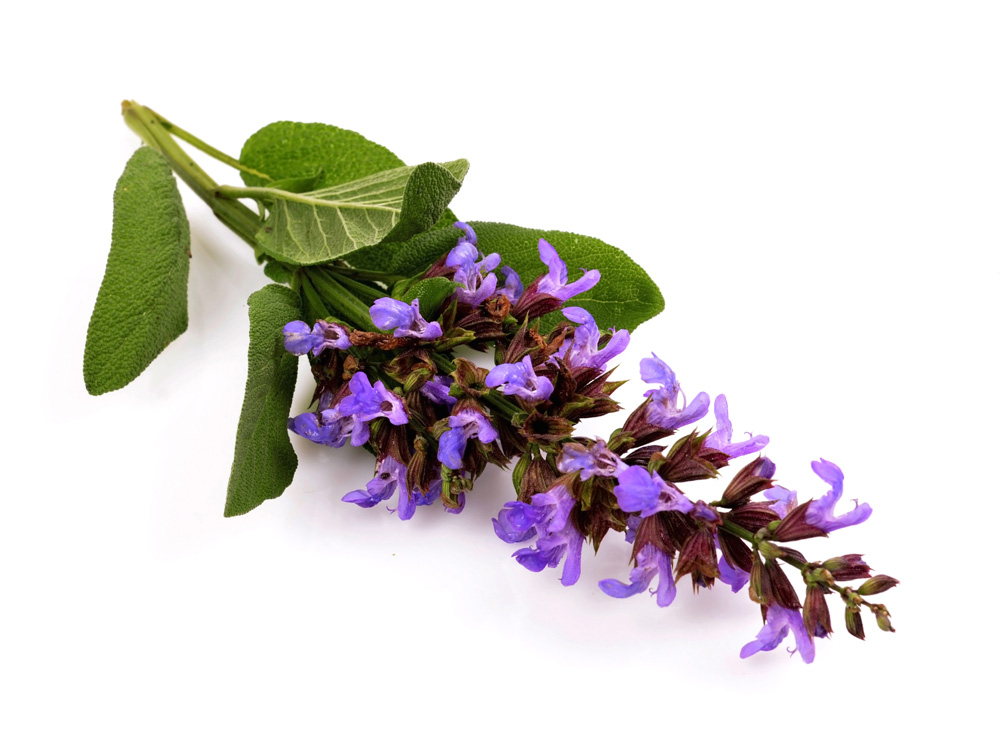
image credit