Home Blog Page 4

Warionia Oil

0

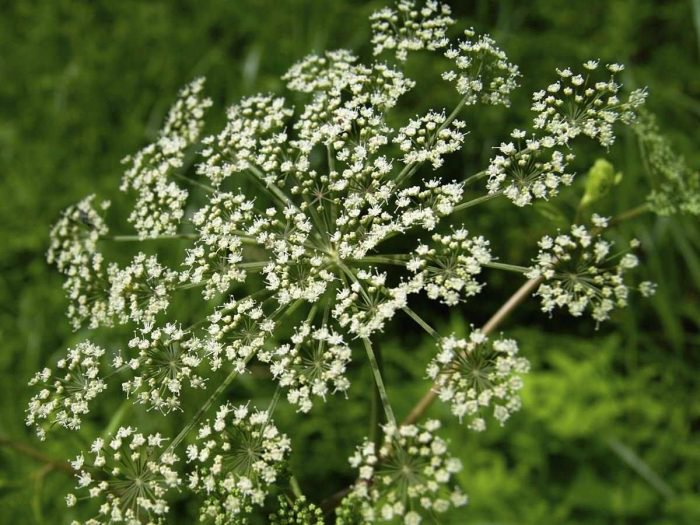
Extracted from an “aromatic shrub” is an essential oil known as Warionia Oil. This oil is extracted from a “shrub” belonging to the “Warionia saharae” species in the plant kingdom. Furthermore, this oil is derived from the dried leaves of the shrub using the “hydro distillation” process. In addition, this oil is said to be useful in treating arthritis as well as epilepsy.

A. Chemical constituents of Warionia Oil:

This oil is obtained from dried leaves from the shrub belonging to the “Warionia saharae” species in the plant kingdom.  In addition, this oil comprises of organic compounds such as Beta-eudesmol, Trans-nerolidol, linalool, and 1, 8 cineole.

B. The uses and benefits of Warionia Oil :

There are number of benefits that one can gain by using this oil. However, one should also consider the adverse reactions or side effects reported from its use:

1. Anti-arthritic:

This oil when used this serves as an “anti-arthritic” and hence helps in suppressing symptoms and pain caused by arthritis.

2. Antiepileptic:

When used this oil also serves as an “antiepileptic”, and thereby serves as an antiepileptic.

3. Antioxidant:

This oil when used serves as an “antioxidant” by stimulating the inhibition of the oxidation process in the body.

4. Antimicrobial:

This oil also comprises of an “antimicrobial” property, and hence when used helps in destroying disease causing microorganisms.

C. The adverse effects of Warionia Oil:

There is one major adverse effect that may occur on using this oil. It is as follows:

This oil when used can severely affect pregnancy, and hence pregnant women must avoid using it.
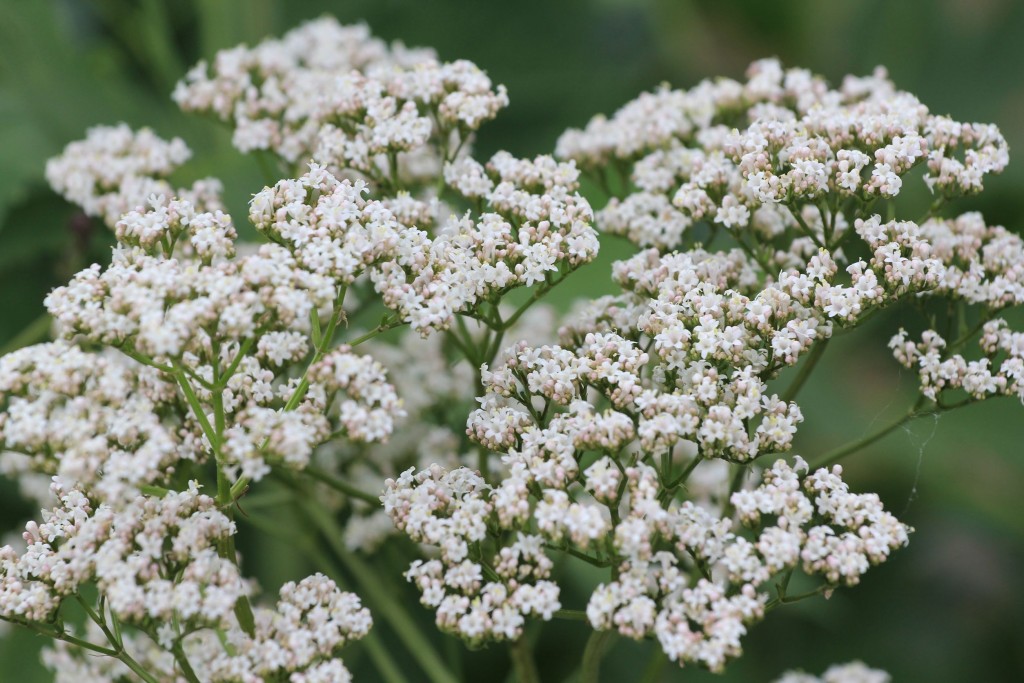
image credit

Valerian Oil

0

Obtained from a “flowering plant” is an essential oil known as Valerian oil. This oil is extracted from a “perennial flowering plant” belonging to the “Valeriana officinalis” species in the plant kingdom. Furthermore, this oil is derived from the “root” of the flowering plant using the process of “steam distillation”. In addition, this oil is basically “yellowish-green” in colour, and comprises of a “warm woody” aroma. In addition, apart from its medicinal property this oil has also been used as a “fragrant” for centuries now.

A. Chemical constituents of Valerian oil:

This oil is extracted from a “flowering plant” belonging to the “Valeriana officinalis” species in the plant kingdom. Furthermore, this oil also comprises of organic compounds such as chatinine, shyanthine, valeriannine, and valerine. In addition, this oil also consists of isovaleramide, gamma-amminobutyric acid, isovaleric acid, iridoids, sesquiterpenes, and flavones such as hesperidin and linarin.

B. The uses and benefits of Valerian oil:

There are a number of benefits that an individual can gain by using this essential oil. However, one should also consider the adverse reactions or side effects reported from its use:

1. Hypnotic:

This oil when used serves as a “hypnotic” by inducing sleep and helps in the treatment of individuals suffering from insomnia.

2. Antidepressant:

This oil also possesses an “antidepressant” property, and thereby helps in suppressing depression.

3. Digestive:

This oil serves as a “digestive” by enabling normal digestion by stimulating the secretion of gastric juices, bile etc into the stomach.

4. Analgesic:

This oil when used also helps in providing relief from pain caused by headaches, and thereby serves as an analgesic.

5. Antibacterial:

When used this oil acts as an “antibacterial” and helps in treating cuts, wounds, burns etc by destroying all kinds of disease causing bacteria.

C. The adverse effects of Valerian Oil:

There are a couple of adverse effects that may occur on using this oil. They are as follows:

  1. The excessive use of this oil could lead to dizziness, cramps, stomachaches, mild depression etc.

The use of this oil could also lead to skin rash or hives.

image credit

Turmeric Oil

0

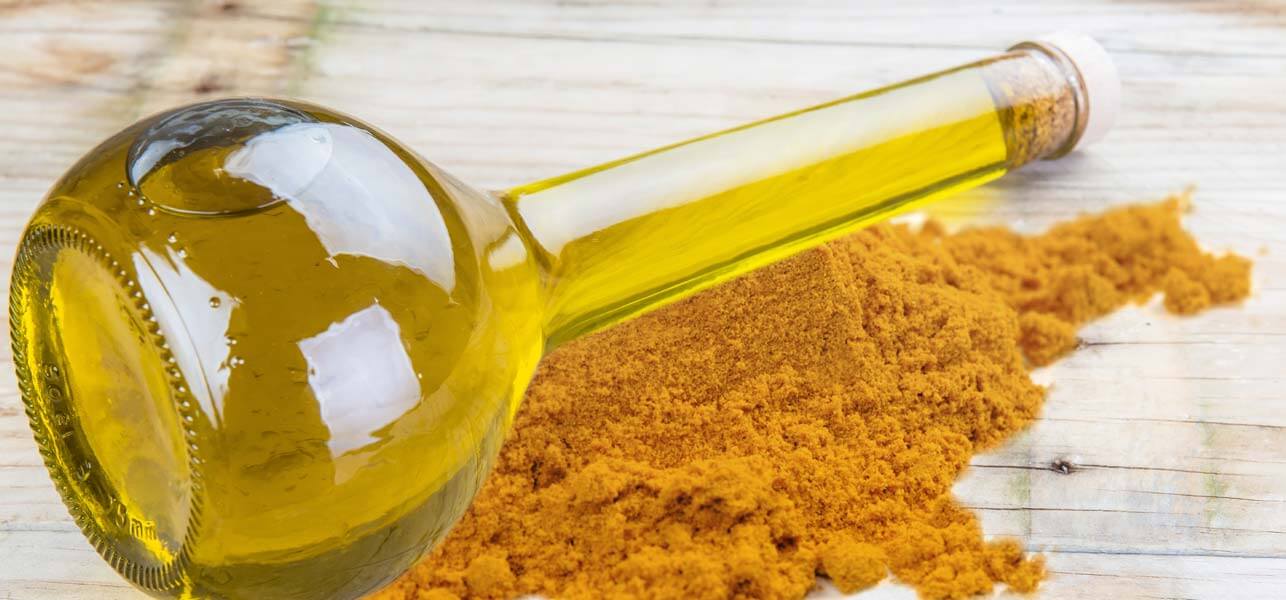
Extracted from an “herbaceous perennial plant” is an essential oil known as Turmeric oil. This oil is derived from a “perennial plant” belonging to the “Curcuma longa” species within the plant kingdom. Furthermore, this oil is obtained from the “root” of the plant using either “hydro distillation” or the “steam distillation” process. In addition, this oil comprises of “mustard like aroma”, and is “bright yellow to orange” in colour. This oil when used can be inhaled, topically applied, and even consumed.

A. Chemical constituents of Turmeric Oil:

This oil is extracted from the “root” of a “perennial plant” belonging to the “Curcuma longa” species within the plant kingdom. Furthermore, this oil consists of organic compounds such as sesquiterpenes, zingeriberene, curcumin, cineol, borneol and valeric acid. In addition, this oil also consists of curcuminoids such as curcumin, demthoxycurcumin, and bisdemethoxycurcumin.

B. The uses and benefits of Turmeric Oil:

There are a number of benefits with respect to health that an individual can gain by using this oil. However, one should also consider the adverse reactions or side effects reported from its use:

1. Antiepileptic:

This oil when used exhibits an “antiepileptic” property and thus helps in suppressing epileptic seizures.

2. Anti-arthritic:

This oil when used helps in suppressing symptoms and pain caused by arthritis, and thereby serves as an anti-arthritic.

3. Antidepressant:

This oil also possesses an “antidepressant” property, and thereby helps in suppressing depression.

4. Anti-inflammatory:

When used this oil also helps in suppressing inflammation, and thereby serves as an anti-inflammatory.

5. Carminative:

This oil when used helps in resolving gas formation i.e. flatulence within the GI system, and thereby serving as a carminative.

C. The adverse effects of Turmeric Oil:

There are a number of adverse effects that may occur on using this oil. There are as follows:

  1. This oil when used can severely damage pregnancy, and hence pregnant women must avoid using it.
  2. The use of this oil could lead to irritation to the mucous membranes, eyes, ears etc.

 Apparently the excessive use of oil could also lead to a upset stomach.

image credit

Tsuga Oil

0

Derived from a tree belonging to the “pine family” is an essential oil known as Tsuga Oil. This oil is extracted from a “coniferous tree” belonging to the “Tsuga candensis” species in the plant kingdom. Furthermore, this oil is derived from the “twigs and needles” of the tree using the “steam distillation” process. In addition, this oil comprises of a “woody” aroma” and is “yellowish to colourless” in terms of appearance. The coniferous tree from which this oil is obtained is mainly found in the eastern region of North America.

A. Chemical constituents of Tsuga Oil:

This oil is extracted from a “coniferous tree” belonging to the “Tsuga candensis” species in the plant kingdom. In addition, this oil also consists of organic compounds such as bornyl acetate, beta phellandrene, limonene, alpha pinene, 3-carene, beta pinene, myrcene and sobornyl acetate.

B. The uses and benefits of Tsuga Oil:

There are a number of benefits that one can gain by using this oil. However, one should also consider the adverse reactions or side effects reported from its use:

1. Anti-rheumatic:

This oil when used helps in suppressing a condition known as “rheumatoid arthritis”, and thereby serves as an anti-rheumatic.

2. Analgesic:

This oil exhibits an “analgesic” property when used and thereby helps in relieving pain caused by headaches, sprains etc.

3. Antiseptic:

This oil also serves as an “antiseptic”, and thus helps in the treatment of wounds by destroying disease causing microbes.

4. Antibacterial:

This oil when used also serves as an “antibacterial” by destroying disease causing bacteria.

5. Antifungal:

This oil when used can also help in the treatment of fungal infection such as ringworm, and thereby serve as an antifungal.

C. The adverse effects of Tsuga Oil:

There are a couple adverse effects that may occur on using this oil. They are as follows:

  1. This oil when used can severely affect pregnancy, and hence pregnant women must avoid using it.

  2. This oil usage is harmful to the mucous membrane, eyes, and ears.

image credit

Thyme Oil

0

Extracted from a “perennial evergreen herb” is an essential oil known as Thyme oil. This oil is derived from a small plant belonging to the “Thymus vulgaris” species in the plant kingdom. Furthermore, this oil is obtained from the “fresh flowers and leaves” of the plant using the “steam distillation” process. In addition, this oil when used is said to be extremely useful with regards to improving skin health and strengthening the immune system.

A. Chemical constituents of Thyme Oil:

This oil is extracted from the “fresh flowers and leaves” of a small plant belonging to the “Thymus vulgaris” species in the plant kingdom.  In addition, this oil also consists of organic compounds such as Alpha Thujone, Alpha Pinene, Camphene, Beta Pinene, Para Cymene, Alpha Terpinene, Linalool, Borneol, Beta Caryophyllene, Thymol and Carvacrol.

B. The uses and benefits of Thyme Oil:

There are several benefits to health that an individual can gain by using this oil. However, one should also consider the adverse reactions or side effects reported from its use:

1. Antiseptic:

This oil comprises of an “antiseptic” property, and thereby helps in the treatment of wounds by destroying disease causing microbes.

2. Antispasmodic:

This oil exhibits an “antispasmodic” property, and therefore helps in resolving conditions such as cough, cramps, diarrhea etc by inhibiting muscle spasms.

3. Carminative:

This oil when used also helps in resolving gas formation i.e. flatulence issues within the GI system, and thereby serve as a carminative.

4. Diuretic:

This oil also comprises of a “diuretic” property, and hence helps in flushing out waste products such as kidney stone from the urinary system by stimulating urination.

5. Expectorant:

This oil when used also helps in expelling sputum formed within the air passages in the lungs, and thereby serves as an expectorant.

C. The adverse effects of Thyme oil:

There are a couple of adverse effects that may occur in using this oil. They are as follows:

  1. This oil when used can severely affect pregnancy, and hence pregnant women must avoid using it.

The use of this oil may also provoke an allergic reaction in certain individuals, and hence must be used carefully.

image credit

Melaleuca Oil

0

Also known as “Tea tree oil” is an essential oil referred to as Melaleuca Oil.  This oil is basically extracted from a tree belonging to the “Melaleuca alternifolia” species in the plant kingdom. Furthermore, this oil is derived from the “twigs and leaves” of the tree using the “steam distillation” process. The tree from which this oil is obtained is mainly found in Australia in the southeast of Queensland and New South Wales.  In addition, this oil is said to be able to cure a majority of the tropical infections and diseases.

A. Chemical constituents of Melaleuca Oil:

This oil is extracted from the “twigs and leaves” of a tree belonging to the “Melaleuca alternifolia” species in the plant kingdom.  Furthermore, this oil comprises of organic compounds such as Alpha Pinene, Beta Pinene, Sabinene, Myrcene, Alpha Phellandrene, Alpha Terpinene, Limonene, Cineole, Gamma Terpinene, Para Cymene, Terpinolene, Linalool, Terpinenol and Alpha Terpineol.

B. The uses and benefits of Melaleuca Oil:

There are a number of health benefits that one can gain by using this oil. However, one should also consider the adverse reactions or side effects reported from its use:

1. Antibacterial:

This oil possesses an “antibacterial” property, and hence when used helps in preventing bacterial infections by inhibiting the growth of bacteria.

2. Antiseptic:

This oil also serves as an “antiseptic” when used and helps in the treatment of wounds by destroying disease causing microbes.

3. Antiviral:

This oil when used helps in preventing viral infections by inhibiting the growth of viruses.

4. Expectorant:

When used this oil also helps in stimulating the expulsion of sputum from air passages, and thereby serves as an expectorant.

5. Antimicrobial:

This oil when used is capable of destroying all kinds of disease causing microbes, and thereby serves as an antimicrobial.

C. The adverse effects of Melaleuca Oil:

There are a couple of adverse effects that may occur on using this oil. They are as follows:

  1. The use of this oil could lead to skin irritation especially in individuals who have sensitive skin, and hence it must be used carefully.
  2. This oil usage could also lead to serious adverse effects such as confusion, hallucinations, drowsiness, coma, unsteadiness, severe rashes, vomiting, diarrhea etc.
  3. This oil can be harmful to children and pets, and hence must be kept away from them.

image credit

Tarragon Oil

0

Derived from a “perennial herb” known as “estragon” is an essential oil referred to as Tarragon Oil. This oil is extracted from a plant belonging to the “sunflower family” and the “Artemisia dracunculus” species in the plant kingdom. Furthermore, this oil is obtained from the flowering tops of the plant using the process of “steam distillation”.  In addition, this oil is commonly used as a flavouring agent in the manufacturing of soft drinks in countries such as Armenia, Azerbaijan, Georgia, Russia, Ukraine, and Kazakhstan.

A. Chemical constituents of Tarragon Oil:

This oil is extracted from a small plant called “estragon” belonging to the “Artemisia dracunculus” species in the plant kingdom. Furthermore, this oil comprises of organic compounds such as cineol, estragole, ocimene, and phellandrene.

B. The uses and benefits of Tarragon Oil:

There are a number of benefits that an individual can gain by using this oil. However, one should also consider the adverse reactions or side effects reported from its use:

1. Digestive:

This oil when used helps in maintaining normal digestion by enabling the release of gastric juices, bile etc into the stomach, and thereby serves as a digestive.

2. Anti-arthritic:

This oil possesses an “anti-arthritic” property, and so when used helps in resolving symptoms and pain caused by arthritis.

3. Deodorant:

This oil when used helps in masking bad body odour, and thereby serves as a deodorant.

4. Antiparasite:

This oil also possesses an “antiparasitic” property, and thereby helps in inhibiting the growth of parasites such as hookworm, roundworm, tapeworm etc within the body.

5. Emenagogue:

This oil when used helps in maintaining normal periods, clears obstruction faced by women during menses etc, and thereby serves as an emenagogue.

C. The adverse effects of Tarragon Oil:

There are a couple of adverse effects that may occur on using this oil. It is as follows:

  1. This oil when used can severely affect pregnancy, and hence pregnant women must avoid using it.
  2. This oil when used in excess can prove toxic, and hence it should not be used on children.

image credit

Star Anise Oil

0

Derived from an “evergreen tree” found mainly in the northeast of Vietnam and southwest of China is an essential oil called Star Anise Oil. This oil is extracted from a tree belonging to the “Illicium verum” species in the plant kingdom. Furthermore, this oil is obtained from the fruits and seeds of the tree using the “steam distillation” process. In addition, this oil possesses an extremely strong “anise like aroma”, and is “pale yellow” in colour. Due to its medicinal properties this oil is commonly used in “aromatherapy”.

A. Chemical constituents of the Star Anise Oil:

This oil is extracted from the “fruit and seed” of a tree belonging to the “Illicium verum” species in the plant kingdom. Furthermore, this oil comprises of organic compounds such as (E)-anethole, Foeniculin, Methyl chavicol, Limonene, Linalool, Nerolidol, and Cinnamyl acetate.

B. The uses and benefits of the Star Anise Oil:

There are a number of benefits to health that one can gain by using this essential oil. However, one should also consider the adverse reactions or side effects reported from its use:

1. Antiseptic:

This oil when used helps in the treatment of wounds by destroying disease causing microbes.

2. Sedative:

This oil when used can also act as a “sedative” by enabling the slowing down of the respiratory, circulatory, and nervous system respectively, and thereby exerting a calming influence on an individual.

3. Anti-arthritic:

This oil exhibits an “anti-arthritic” property, and so when used helps in resolving symptoms and pain caused by arthritis.

4. Antispasmodic:

This oil when used helps in minimizing muscle contractions, and thereby helps in providing relief from conditions such as coughs, cramps, diarrhea, aches etc.

5. Carminative:

This oil also serves as a “carminative”, and so helps in resolving gas formation (i.e. flatulence) within the gastrointestinal system.

C. The adverse effects of the Star Anise Oil:

There are a couple of adverse effects that could occur on using this essential oil. They are as follows:

  1. This oil when used can severely affect pregnancy, and hence pregnant women must avoid using it.
  2. This oil usage could also lead to skin irritation in certain individuals who possess sensitive skin.
  3. This oil when used can worsen cancer since it has a direct effect on the hormone estrogen, and hence cancer patients must avoid using it.

This use of this oil could lead to side effects such as vomiting, nausea, mouth inflammation etc.

image credit

Spruce Oil

0

Extracted from a tree belonging to the “Picea” genus is an essential oil known as Spruce oil. This oil is derived from a “coniferous evergreen” tree belonging to the “Picea mariana” species within the plant kingdom. Furthermore, this oil is obtained from the leaves and twig of the tree using the “steam distillation” process. In addition, this oil is thin and colourless to pale yellow in colour. The tree from which this oil is extracted is mainly found in Canada.

A. Chemical constituents of Spruce oil:

This oil is derived from a “coniferous evergreen” tree belonging to the “Picea mariana” species within the plant kingdom. Furthermore, this oil comprises of organic compounds such as camphene, α-Pinene, and y-3-Carene – y-Bornyl acetate, and sesquiterpenes.  In addition, this oil is supposed to contain about 55% of monoterpenes.

B. The use and benefits of Spruce oil:

There are a number of benefits in terms of health that an individual can gain by using this oil. However, one should also consider the adverse reactions or side effects reported from its use:

1. Anti-inflammatory:

The oil when used serves as an “anti-inflammatory” by suppressing inflammation and swelling.

2. Antibacterial:

This oil when used helps in destroying bacteria, preventing bacterial infections, and thereby serving as an antibacterial.

3. Antiviral:

This oil also possesses an “antiviral” property, and thereby serves by inhibiting the growth of viruses.

4. Antiseptic:

This oil when used helps in the treatment of wounds by destroying disease causing microbes, and thereby serves as an antiseptic.

5. Expectorant:

This oil when used also helps in the removal of sputum from air passages within the respiratory system, and thereby serves as an expectorant.

image credit

Spikenard Oil

0

Derived from a “flowering plant” belonging to the “Valerian” family is an essential oil known as Spikenard Oil.  This oil is extracted from a plant belonging to the “Nardostachys jatamansi” species in the plant kingdom. Furthermore, this oil is obtained from the resin acquired from the plant using the “steam distillation” process. In addition, this oil is commonly used in “aromatherapy” as a sedative as well as a calming agent. This oil also proves to be useful in skin care as well as in maintaining the female reproductive organs such as uterus and ovaries.

A. Chemical constituents of Spikenard Oil:

This oil is extracted from the resin of the plant belonging to the “Nardostachys jatamansi” species in the plant kingdom. In addition, this oil also consists of organic compounds such as aristolene, calarene, clalarenol, coumarin, dihydroazulenes, jatamanshinic acid, nardol, nardostachone, valerianol, valeranal and valeranone.

B. The uses and benefits of Spikenard Oil:

There are a number of benefits that an individual can gain by using this oil. However, one should also consider the adverse reactions or side effects reported from its use:

1. Antibacterial:

This oil when used helps by inhibiting the growth of disease causing bacteria, and thereby serves as an antibacterial.

2. Antifungal:

This oil also exhibits an “antifungal” property when used, and thereby prevents a fungal infection by inhibiting fungal growth.

3. Anti-inflammatory:

This oil when used is also capable of suppressing inflammation, swelling etc, and thereby serving as an anti-inflammatory.

4. Deodorant:

When used this oil enables the masking of bad odour and thereby serve as a deodorant.

5. Sedative:

This oil when used serves as a “sedative” by inducing sleep and a calm feeling especially in individuals who are suffering from insomnia.

C. The adverse effects of Spikenard Oil:

There is one major adverse effect that may occur on using this oil. It is as follows:

  1. The use of this oil may severely affect pregnancy, and hence pregnant women must avoid using it.
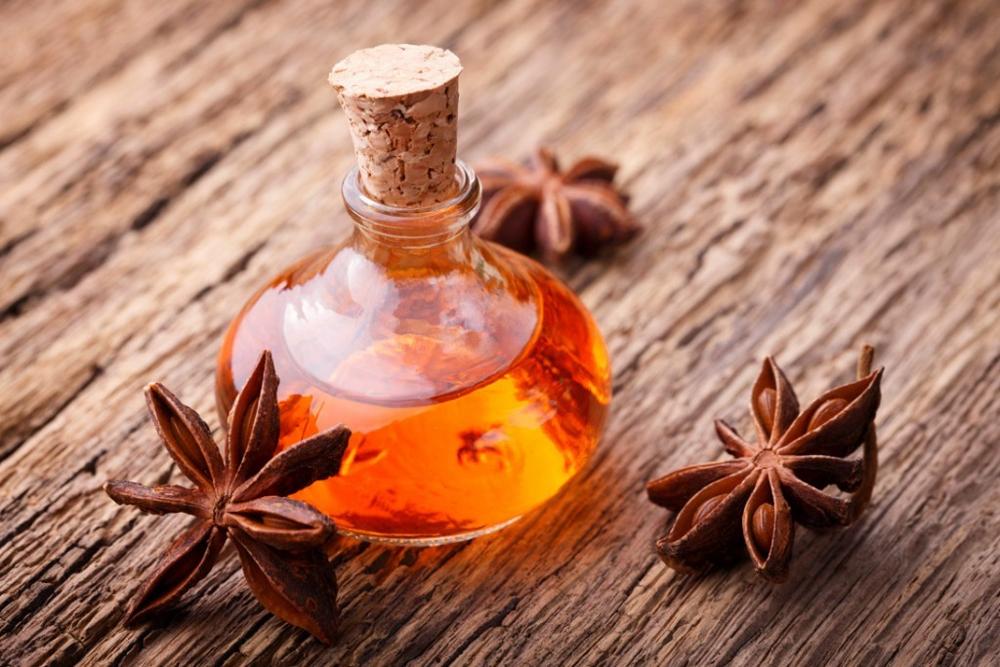
image credit