Home Blog Page 3

4 Essential Oils Used For Depression

0
Feeling blue

Depression essentially is a serious mental health issue in which individuals suffer from persistent loss of mood. Now, it is either allopathic medication or talk therapy (i.e. counseling) that is mainly used in the treatment of depression. However, “aromatherapy” can also be used in the treatment of depression. In aromatherapy there are a number of oils that possess a medicinal property that helps in suppression of depression. So, here is presenting “4” essential oils that can be used in the treatment of depression.

a. Bergamot Oil:

Extracted from the “rind” of a fruit belonging to the “citrus” family, this oil when used is known to suppress depression. Furthermore, this oil also helps in reducing depression by stimulating a feeling of joy, freshness, and lots of energy. In addition, a study undertaken in Thailand in 2011 suggests that when this oil is mixed with lavender it helps in suppressing depression symptoms. Furthermore, this study also suggests that this oil mixed with lavender exerts relaxing effect on the mind, and thereby serves as an antidepressant.

b. Lavender Oil:

Obtained from the flowers of a plant belonging to the “mint” family, this oil when used is extremely useful in treating depression. According to a research published in the “International Journal of Psychiatry in Clinical Practice” about 80 milligrams of this oil when used is sufficient to relieve anxiety as well as depression.  Furthermore, the study also suggested this oil when used exhibits no adverse effects.  In addition, yet another study published in the year 2012 in a journal called “Complementary Therapies in Clinical Practice” suggests that this oil when used also helps in suppressing “postnatal” depression in women.

c. Roman Chamomile Oil:

Derived from a plant known as “Chamomile” belonging to the “Anthemis Nobilis” species, this oil when used proves to extremely useful in the treating depression. According to a report published in a journal called “Alternative Therapies in Health and Medicine and Pharmacognosy Review” this oil when inhaled is extremely effective in suppressing depression.

d. Ylang Ylang Oil:

Extracted from fresh leaves of a tree known as “Ylang Ylang”, this oil is well known for its “antidepressant” property. According to a research when used this oil helps in suppressing “depression” and thereby improving the mood of an individual. Furthermore, according to a research study done it is said that this oil when used also helps in eliminating negative emotions such as anger, low self esteem, and even jealousy within an individual. In addition, when used can also lower stress levels by exerting mild sedative effects.


image credit

5 Essential Oils Used For “Arthritis”

0

Arthritis is a disease which causes “swelling and excruciating pain” in and around the joints of human. Now, there are several techniques in medical sciences that can be used in treating this painful disease. One such method/technique that can be used in treatment is known as “aromatherapy”, popularly used in the field of alternative medicine. Furthermore, aromatherapy is a form of medical science that basically involves the use of a number of essential oils. There are a number of them when used prove to be extremely effective against arthritis. So here is presenting a list of “5” essential oils that are extremely effective against “arthritis”.

a. Ginger Oil:

Extracted from the rhizome of a flowering plant, this oil is said to be an extremely effective healing agent. Furthermore, it is said to possess “analgesic and ant-inflammatory properties”, and hence is extremely effective in suppressing pain caused by arthritis. According to a study conducted by the “University of Miami”, in which this oil was used on individuals suffering osteoarthritis of the knee, it was found that this oil suppressed arthritic pain very effectively. Thus, this study concluded that this oil could replace the Nonsteroidal anti-inflammatory drugs (NSAIDS) generally used in suppressing pain caused by arthritis.

b. Turmeric Oil:

Derived from a “rhizomatous perennial herb” belonging to the “Curcuma longa” species this oil is considered to be highly effective in suppressing pain caused by rheumatoid arthritis. Apparently, a study conducted in Japan showed that this oil possessed a natural occurring protein known as IL-6 (i.e. interlukin) that helps suppressing the pain and inflammation produced by Rheumatoid arthritis.

c. Frankincense Oil:

Obtained from “Olibanum” trees belonging to the “Boswellia Carteri” species, this oil when used is known to suppress inflammation caused by arthritis. Furthermore, it functions by inhibiting the production of inflammatory molecules that is closely linked to arthritis.  In addition, this oil helps in preventing the breakdown of cartilage tissue, which eventually helps in suppressing inflammation caused by arthritis.

d. Myrrh Oil:

Extracted from the resin of the “Myrrh” plant this oil is known to possess ant-inflammatory that proves to be useful in treating arthritis. According to a study report published in “Scientific Reports” this oil is extremely effective against arthritis. Furthermore, this study report also showed that this oil when used helps in suppressing the inflammation in the joints caused by arthritis.

e. Orange Oil:

Derived from the “peels” of a fruit belonging to the “citrus” family this oil possesses an extremely strong “anti-inflammatory” property that helps in suppressing pain caused by arthritis. According to a 2009 study published in the “European Journal of Medical Research” it was found that this oil possessed an “antioxidant” property which in turn when used helps in suppressing arthritis.

image credit

5 Essential Facts about“Aromatherapy”

0

Aromatherapy is essentially defined as “the practice of making use of oils obtained from flowers, barks, stems, leaves, and other parts of plants/trees to improve the psychological and physical well being of an individual”. Now, aromatherapy over the years has gradually gained in popularity, and has been used quite regularly as a form of “alternative medicine”. In this form of medicine, the “aromatherapist” basically prescribes the use of a mixture of therapeutic oils either topically, via inhalation, or by mixing in water, to improve the physical and psychological health of an individual.  So here is presenting five essential facts about “aromatherapy” that one needs to understand.

1. “Aromatherapy”, and its origin:

In the field of “Alternative Medicine” a number of essential oils were blended together in order to enhance the physical and psychological state of a human being, which is what was eventually referred to as “aromatherapy”.  According to certain historical evidence, this form of medicine is said to have originated from the ancient Chinese, Indian, Egyptians, Greeks, and Roman civilizations.  Apparently, the use of essential oils (aromatherapy) was first recommended by a group of European scientists and doctors in the beginning of the 19th century.  Furthermore, the word “aromatherapy” was for the first time publicly mentioned in a French book titled “Aromathérapie: Les Huiles Essentielles, Hormones Végétales” written by a chemist named René-Maurice Gattefossé. In addition, the English version of the book was published in the year 1993. The use of aromatherapy in public was officially first undertaken during the Second World War  by French surgeon Jean Valnet.  He basically used essential oils as a form of an antiseptic in treating wounds suffered by the soldiers.

2. The Theory behind Aromatherapy :

Now, this therapy when used comprises of two basic mechanisms or mode of actions. They are as follows:

a. Influence on the brain:

In this mechanism, the aroma of the essential oil used stimulates the brain via the olfactory system i.e. sense of smell in the body.

b. Pharmaocological effects :

In case of this mechanism, the essential oil directly exerts its pharmacological effects on the body of the individual  using it.

  1. The Modes of Application used in Aromatherapy :

Aromatherapy when used can be applied using three different techniques. They are as follows:

a. Aerial diffusion:

This technique is basically used for “aerial disinfection” in aromatherapy.

b. Direct inhalation:

This technique is only used in aromatherapy when “respiratory disinfection” is required. In other words, this oil mainly “inhaled”, may also be used as either a decongestant or an expectorant.

c. Topical applications:

This technique is used in aromatherapy only during “massages or baths”. Furthermore, it is mainly applied in the treatment of skin.

  1. The “Beneficial effects” related to the use of “Aromatherapy”:

“Aromatherapy” when used is supposed to exert a number of beneficial effects on the health of the individual using it.  This is simply due to the fact that most of the essential oils used in therapy comprise of medicinal properties. These properties include antidepressive, antiseptic, antispasmodic, analgesic, anti-inflammatory, and in the case of some oils even anti-cancerous. It must be said though, that there exist no medical evidence to suggest that the oils used in “aromatherapy” possess such powerful curative properties. However, the use of this therapy could lead to an all round improvement in the general health of an individual.

image credit

4 Best “Antibacterial” Essential Oils

0

Most of the essential oils used in “aromatherapy” comprises of a number of medicinal properties. These curative properties include antidepressant, antiviral, antimicrobial, carminative, analgesic, anti-inflammatory etc. Now, there are quite a few essential oils when used that help in suppressing the growth of bacteria, and thereby serves as an “antibacterial”. So here is presenting “4” of the best “antibacterial” essential oils.

a. Cinnamon Oil:

Research conducted shows that when “Cinnamon Oil” is used it is highly effective in inhibiting the growth of bacteria, and serves as an antibacterial. According to the “Journal of Contemporary Dental Practices” this oil is highly effective in inhibiting the growth of a bacteria known as “planktonic E facelis” when used during a dental procedure known as “Root canal”.  Furthermore, this oil is supposed to have suppressed the growth of the bacteria in approximately 14 days. In addition, the Journal also showed evidence of essential oil extracted from the “Cinnamomum  zeylancium” species  effectively by inhibiting the growth of bacteria such as E facelis.

b. Thyme Oil:

Extracted from the “leaves and flowers” of the herb called “Thyme”, this oil is said to possess a powerful antibacterial property. According to a study conducted by the “University of Tennessee’s Department of Food Science and Technology” evidence were found suggesting that thyme oil when used in food products such as milk can effectively inhibit bacterial growth, and serve as an “antibacterial” preservative aid.  Apparently, the results of the study mentioned above were officially published in the “International Journal of Food”.

c. Oregano Oil:

Studies conducted suggest that “Oregano Oil” obtained from a plant belonging to the “Oreganaum vulgare” species possesses an extremely powerful “antibacterial” property capable of fighting a few drug resistant bacterial strains. In addition, the studies conducted also suggested that the oil when used individually as well as when combined with others causes reduction of cell density due to presence of “antibacterial” activity. In other words, the studies also indicates that this oil when used can perfectly serve as an “antibacterial”.

d. Tea Tree Oil:

Obtained from the seed of the “Tree plant” this oil is said to possess a powerful “antibacterial” property. According to a research conducted in India this oil when combined with “eucalyptus oil” is capable of inhibiting infections caused by bacteria such as E. coli and Staphylococcus. Furthermore, the study/research mentioned above also suggests that the oil when used elicits an immediate response, which is then followed by a slow effect that basically spreads over a 24-hour period.

So in conclusion, it would be safe to say that the four essential oils mentioned above when used in “aromatherapy” serves best as an “antibacterial”.

image credit

Curcuma Zedoaria Oil

0

Derived from a “perennial herb” is an essential oil known as Curcuma Zedoaria Oil. This oil is extracted from a small plant belonging to the “Curcuma zedoaria” species in the plant kingdom. Furthermore, this oil is obtained from the “rhizomes” of the plant using the “steam distillation” process. In addition, this oil is basically a “viscous liquid” that is “golden” in colour, and comprises of a “warm woody” aroma.

A. Chemical constituents of Curcuma Zedoaria Oil:

This oil is extracted from a “perennial herb” belonging to the “Curcuma zedoaria” species in the plant kingdom. Furthermore, this oil also comprises of organic compounds such as D-borneol; D-camphene; D-camphor; cineole; curculone; curcumadiol; curcumanolide A and B; Curcumenol; curcumenone curcumin; curcumol; curdione; dehydrocurdione; alpha-pinene; mucilage; starch; resin; sesquiterpenes; and sesquiterpene alcohols.

B. The uses and benefits of Curcuma Zeodoria Oil:

There are a number of benefits that one can gain by using this oil. However, one should also consider the adverse reactions or side effects reported from its use:

1. Digestive:

This oil when used helps in maintaining and regulating normal digestion by secreting gastric juices, bile etc in the stomach.

2. Anti-inflammatory:

This oil also exhibits an “anti-inflammatory” property, and thereby suppresses inflammation and swelling in the body.

3. Analgesic:

This oil serves as an “analgesic” when used by relieving pain caused due to sprains, headaches etc.

4. Stimulant:

This oil when used helps in stimulating the blood circulation within the body, and thereby serves as a stimulant.

5. Antiseptic:

This oil also comprises of an “antiseptic” property, and so when used helps in the treatment of wounds by destroying disease causing organisms.

C. The adverse effects of Curcuma Zeodoria Oil:

There are a couple of major adverse effects that may occur on using this oil. They are as follows:

  1. Excessive use of this oil could lead to skin irritation especially in those individuals who have sensitive skin.
  2. This oil usage may prove to be harmful to pregnancy, and hence pregnant women must avoid using it.

image credit

Cananga Tree Oil

0

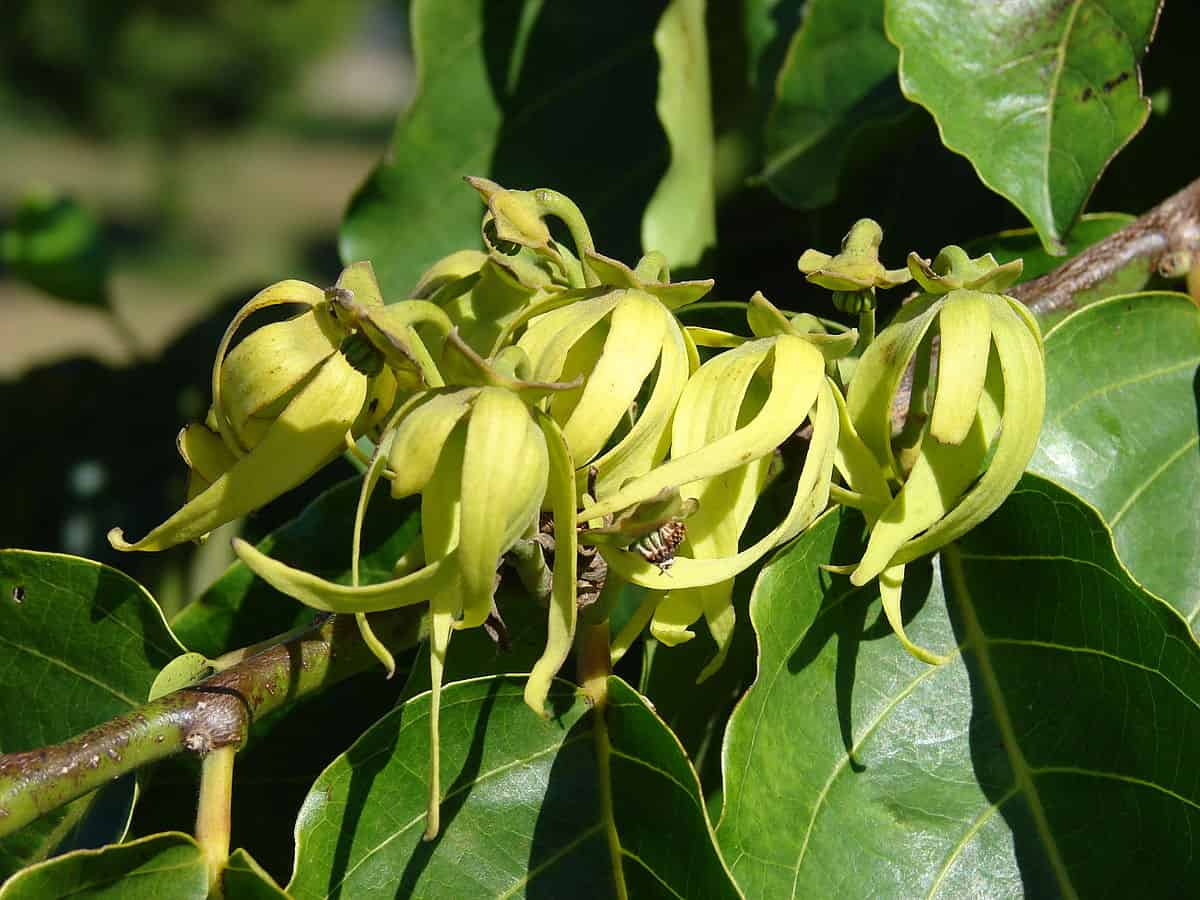
Extracted from a tree commonly known as “Cananga” is an essential oil known as Cananga Tree Oil. This oil is derived from a “tropical” tree belonging to the “Cananga odorta” species in the plant kingdom. Furthermore, this oil is obtained from the “flowers” of the tree using the “steam distillation”. In addition, this oil is pale yellow in colour, and comprises of a “sweet and slightly woody” aroma. With the regards to the aroma of this oil is extremely similar to “Ylang ylang”.

A. Chemical constituents of Cananga Tree Oil:

This oil is extracted from a “tropical” tree belonging to the “Cananga odorta” species in the plant kingdom. In addition, this oil also comprises of organic compounds such as Beta-Caryophyllene, alpha-caryophyllene, germacrene D, delta-cadinene, and linalool.

B. The uses and benefits of Cananga Tree Oil:

There are many benefits that one can gain by using this oil. However, one should also consider the adverse reactions or side effects reported from its use:

1. Anti-anxiety:

This oil when used helps in suppressing the feeling of anxiousness within an individual, and thereby serves as an anti-anxiety agent.

2. Antidepressant:

This oil possesses an “antidepressant” property, and hence when used helps in suppressing depression.

1. Antiseptic:

This oil also helps in the treatment of wounds by destroying disease causing microbes, and thereby serving as an antiseptic.

2. Aphrodisiac:

This oil also possesses an “aphrodisiac” property, and therefore helps in stimulating sexual desire in an individual.

3. Hypotensive:

This oil also helps in lowering blood pressure when used, and hence serves as a hypotensive.

C. The adverse effects of Cananga Tree Oil:

There is one adverse effect that may occur on using this oil. It is as follows:

  1. This oil when used in excess can lead to side effects such as nausea and headache.

image credit

Yarrow Oil

0

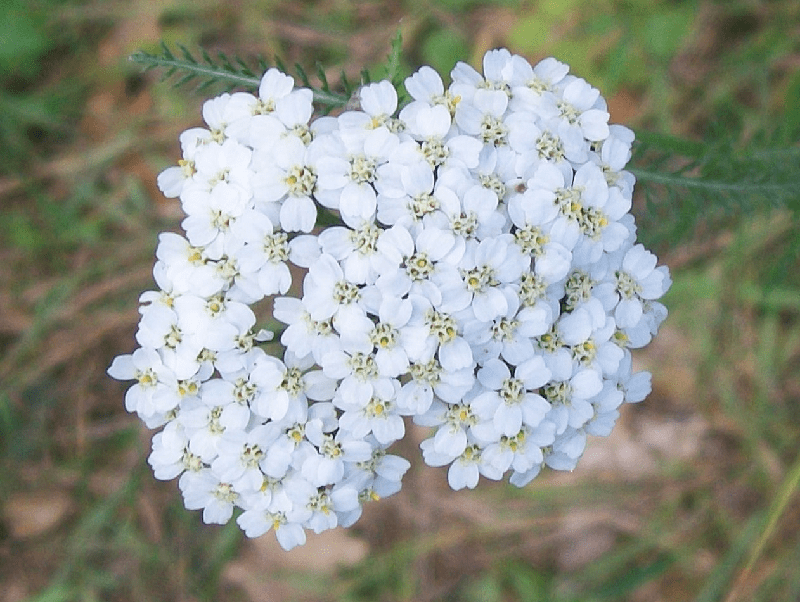
Derived from a “flowering plant” is an essential oil known as Yarrow oil. This oil is extracted from a flowering plant belonging to the “Achillea millefolium” species within the plant kingdom. Furthermore, this oil is obtained from the dried plant using the process of “steam distillation”.  Apparently, this oil can also blend with others such as Angelica, Cedar Wood, Oak Moss, and Verbana. In addition, this oil is known to possess a “sweet and pleasant” aroma, and is blue in appearance.

A. Chemical constituents of Yarrow Oil:

This oil is extracted from a “flowering plant” belonging to the “Achillea millefolium” species within the plant kingdom. In addition, this plant consists of organic compounds such as a-pinene, b-pinene, tricyclene, camphene, sabinene, y-terpinene, borneol acetate, limonene, 1,8-cineole, isoartemisia ketone, camphor, borneol and chamazulene.

B. The uses and benefits of Yarrow oil:

There are a number of benefits to using this essential oil. However, one should also consider the adverse reactions or side effects reported from its use:

1. Anti-inflammatory:

This oil when used serves as an “anti-inflammatory” by suppressing inflammation and swelling within the body.

2. Antiseptic:

This oil exhibits an “antiseptic” property when used, destroys disease causing microbes, and thereby helps in the treatment of wounds.

3. Anti-rheumatic:

This oil also serves as an “anti-rheumatic” when used by suppressing rheumatoid arthritis.

4. Carminative:

When used this oil also acts as a “carminative”, and helps in resolving gas formation i.e. flatulence issues within the GI system.

5. Expectorant:

This oil by enabling the expulsion of sputum from the air passage of the respiratory system when used, and serves as an expectorant.

C. The adverse effects of Yarrow Oil:

There are couple adverse effects that may occur on using this oil. They are as follows:

  1. This oil when used in excess may result in side effects such as headaches and skin irritation.
  2. This oil when used can be severely harmful to pregnancy, and hence pregnant women must avoid using it.

image credit

Wintergreen Oil

0

Obtained from “a group of aromatic plants” is an essential oil known as Wintergreen Oil. This oil is extracted from an “aromatic plant” belonging to the “Gaultheria procumbens” species in the plant kingdom. Furthermore, this oil is extracted from the “leaves” of the plant using the “steam distillation” process. In addition, the plant from which this oil was derived is mainly found in North America, and is supposed to have been frequently used by the Native Americans in the treatment of muscle and joint pains.

A. Chemical constituents of Wintergreen Oil:

This oil is extracted from “a group of aromatic plants” belonging to the “Gaultheria procumbens” species in the plant kingdom. Furthermore, this oil also comprises of organic compounds such as alpha-pinene, myrcene, delta-3-carene, limonene, 3,7- guaiadiene, and delta-cadinene.

B. The uses and benefits of Wintergreen Oil:

There are a number of benefits that an individual can gain by using this oil. However, one should also consider the adverse reactions or side effects reported from its use:

1. Analgesic:

This oil when used helps in providing relief from pain caused by headaches, sprains etc, and thereby serves as an analgesic.

2. Anti-rheumatic:

This oil when used exhibits an “anti-rheumatic” property and thus helps in suppressing rheumatoid arthritis.

3. Carminative:

The oil also serves as a “carminative” when used, and thereby helps in resolving gas formation i.e. flatulence issues with the GI system.

4. Diuretic:

This oil when used helps in flushing out waste products from the urinary system such as kidney stone by stimulating urination, and thereby serves as a diuretic.

5. Antispasmodic:

This oil possesses an “antispasmodic” property and hence when used helps in reliving spasms in the respiratory, digestive, muscular, and nervous system.

image credit

Thuja Oil

0

Extracted from a tree known as “Giant cedar” is an essential oil known as Thuja Plicata Oil. This oil is derived from an “evergreen coniferous tree” belonging to the “Thuja occidentalis” species in the plant kingdom. Furthermore, this oil is obtained from the leaves, branches, and wood of the tree using the “steam distillation” process. In addition, this oil comprises of an extremely pleasant aroma. This oil is mainly used in the manufacturing of pest repellants, shoe polish, perfumes, and furniture polish.

A. Chemical constituents of Thuja Oil:

This oil was extracted from a “coniferous tree” belonging to the belonging to the “Thuja occidentalis” species in the plant kingdom. Furthermore, this oil comprises of organic compounds such as alpha pinene, alpha thujone, beta thujone, bornyl acetate, camphene, camphone, delta sabinene, fenchone and terpinenol.

B. The uses and benefits of Thuja Oil:

There are a number of benefits that one can gain by using this essential oil. However, one should also consider the adverse reactions or side effects reported from its use:

1. Anti-rheumatic:

This oil when used helps in suppressing “rheumatoid arthritis”, and thereby serving as an anti-rheumatic.

2. Astringent:

This oil when used exerts a cooling effect on the body by contracting muscles, nerves, and blood vessels, and serves as an astringent.

3. Diuretic:

This oil also serves as a “diuretic” by flushing waste product such as kidney stone from the urinary system by stimulating urination.

4. Expectorant:

This oil also consists of an “expectorant” property, and helps in the expulsion of sputum from the air passage in the respiratory system.

5. Stimulant:

This oil when used also helps in stimulating blood circulation, secretion of hormones, nerves, brain, and heart, and thereby serving as a stimulant.

C. The adverse effects of Thuja Oil:

There are a couple of adverse effects that one may encounter on using this oil. They are as follows:

  1. The excessive use of this oil could prove toxic to digestive, reproductive, and urinary systems, and hence must be used carefully.

The use of this oil could severely affect pregnancy, and hence pregnant women must avoid using it.

image credit

Vetiver Oil

0

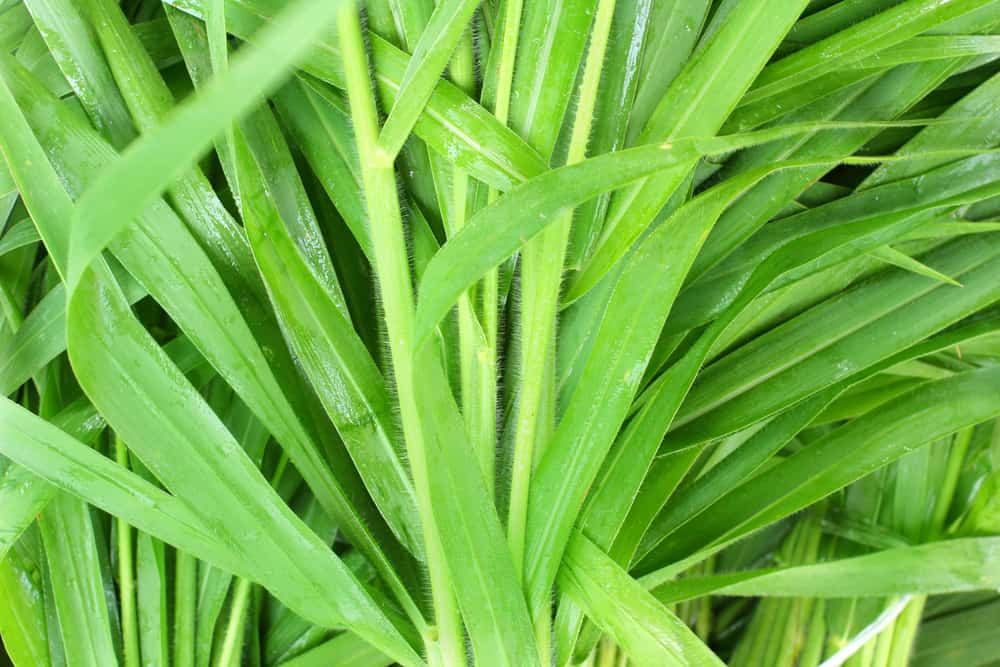
Derived from a “perennial bunchgrass” is an essential oil known as Vetiver Oil.  This oil is extracted from a “bunchgrass” belonging to the “Chrysopogon zizanioides” species in the plant kingdom.  Furthermore, this oil is extracted from the roots using the “steam distillation” process. In addition, this oil comprises of a slightly “earthy and citrusy” aroma. This oil is mainly used for its stimulating effects on the human immune system.

A. Chemical constituents of Vetiver Oil:

This oil is extracted from a “bunchgrass” belonging to the “Chrysopogon zizanioides” species in the plant kingdom.  Furthermore, this oil comprises of organic compounds such as alpha vetivone, benzoic acid, beta vetivone, furfurol, vetiverol, vetivene and vetivenyl vetivenate.

B. The uses and benefits of Vetiver Oil:

There are a number of benefits that an individual can gain to using this oil. However, one should also consider the adverse reactions or side effects reported from its use:

1. Anti-inflammatory:

This oil when used helps in suppressing inflammation and swelling thereby serving as an “anti-inflammatory”.

2. Antiseptic:

This oil also serves as an “antiseptic” when used enables the treatment of wounds by destroying disease causing microbes.

3. Aphrodisiac:

This oil also when used stimulates “sexual desire” in individuals, and thereby proves to be useful as an aphrodisiac.

4. Antibacterial:

This oil when used helps in preventing bacterial infections by inhibiting the growth of bacteria causing agents.

5. Hypnotic:

This oil also possesses a “hypnotic” property, and helps in inducing sleep especially in individuals who are suffering from insomnia.

C. Adverse effects of Vetiver Oil:

There are a couple of adverse effects that may occur on using this oil. They are as follows:

  1. The use of this oil (like many others) can be extremely severe harmful to pregnancy, and hence pregnant women must avoid using it.

This oil usage may also lead to skin irritation especially in individuals who have sensitive skin, and hence it must be used carefully.

image credit