Home Blog Page 2

6 Essential Oils Used By Yoga Specialists

0
GeraniumEssOil

In the world of alternative medicine these days, aromatherapy is being used frequently as a tool in healing the body and mind. Now, in such form of complementary medical therapy the key component used is a “hydrophobic, volatile, and aromatic liquid” known as essential oil. There are several oils available in the market nowadays that are used by a large number of people including “Yoga specialists” around the globe for a wide range of health issues. So, here is presenting a list of “6 Essential Oils” that are commonly used by a few individuals who specialize in Yoga.

rose-geranium herbal oil
Rose Geranium herbal oil, used frequently by Yoga Specialists

a. Geranium Essential Oil:

Derived from a shrub known as “Pelargonium graveolens”  is an essential oil known Geranium. Furthermore, this oil comprises of over 50 organic compounds, of which citronellol, nerol, and geraniol form its major components. In terms of useful properties, when used this oil helps in reducing health related issues such as stress, depression, and high blood pressure. According to a Yoga teacher named Elena Brower from New York, Geranium oil when used proves to be useful in skincare and in elevating an individual’s mood. In addition, it can also apparently help in instilling a feeling of “love and trust” within an individual.

b. Lavender Essential Oil: 

“Steam distillation” is the process used to extract the Lavender Oil from the flower spikes of a herb known as “Lavandula latifolia”. This oil basically is a mixture of “phytochemicals”  that include compounds such as linalool and linalyl acetate. Furthermore, when used it can help induce sleep, relieve stress and anxiety, help cure acne, relieve pain, serve as a diuretic by stimulating flow of urine etc. In addition, it can also be mixed along with other essential oils such as cedarwood, pine, clary sage, geranium, and nutmeg. According to a Yoga expert, when used this oil helps stimulate creativity in an individual as well in inducing sleep. It also helps in the maintaining good skin health.

c. Peppermint Essential Oil: 

“A soothing effect” is what an essential oil known as Peppermint is said to exert on the body when used. It is basically extracted from a hybrid mint (watermint and spearmint) using the “steam distillation” process. Furthermore, the major organic compounds in this oil include menthol, menthone, menthyl actetate, menthofuran, and 1,8 cineol. When used it helps in reducing stomach aches, resolve digestion issues, relieves headaches, helps improve mental focus etc. In addition, to the above mentioned benefits to health a Yoga expert claims that Peppermint Oil helps in maintaining the proper functioning of the heart.

d. Eucalyptus Essential Oil: 

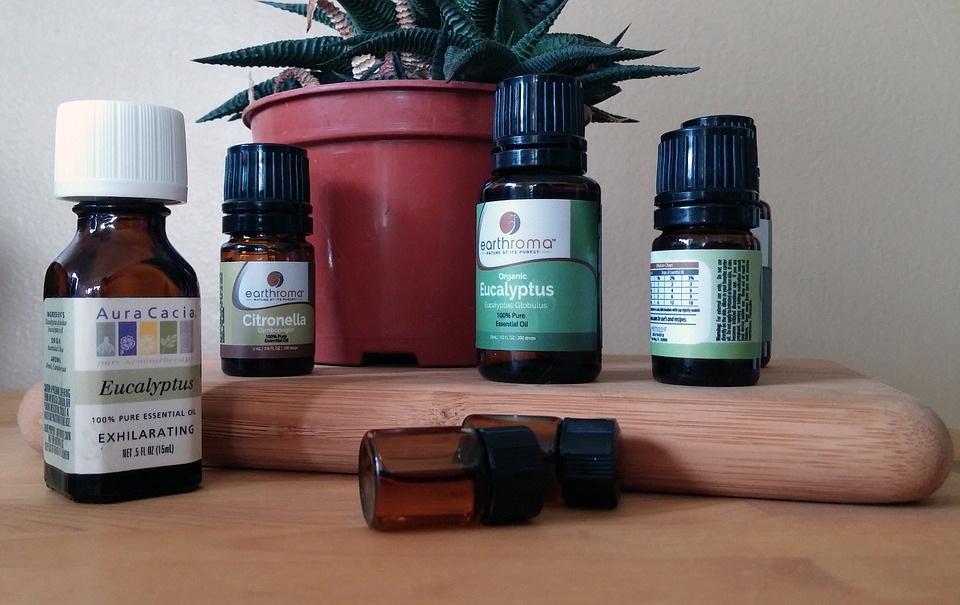
Extracted from the “leaves” of a plant using steam distillation process is an essential oil known as Eucalyptus. The major organic component of this oil is “cineole”, however it may also include compounds such as piperitone, phellandrene, citral, methyl cinnamate, and geranyl acetate. Furthermore, when used this oil can help improve the digestive, respiratory, and also provide relief from muscular pain. In addition, this oil also helps in maintaining a “positive” state of mind by enabling the elimination of “negative patterns” that may arise from time-to-time within the human body.

e. Orange Essential Oil: 

“A Citrus sinensis fruit” is used to extract Orange essential through the use of a process known as “cold compression”. The major organic chemical compounds in this oil includes alpha-pinene, citronellol, geraniol, sabinene, myrcene, limonene, linalool, and neral. Furthermore, when used it proves to be useful in the treatment of conditions such as muscle spasms, inflammation, infections, and kidney stones. In addition, when used it also helps in “uplifting” an individual’s mental state  when feeling low.

f. Rose Essential Oil: 

“Solvent, steam, or supercritical extraction”  the processes used to obtain Rose essential oil. Extracted from the “petals” this oil consists organic compounds such as citronellol, geraniol, and linalool.  When used this oil helps in the treatment of ailments like depression, inflammation, wound infections, muscular spasms, and viral infections. In addition, when used this extremely “sweet smelling” oil has an “soothing” effect on the body.

Image Credits: Public Domain Pictures and Wikimedia Commons


How do essential oils help in reliving anxiety?

0

In today’s world where “stress” has become a part and parcel of regular life, it is important for an individual to find a way to get rid of anxiety issues. Now, with regards to the medical field there are a few techniques that can be used to relieve anxiety. However, it is “essential oils” an integral component of “aromatherapy”, a form of alternative medicine that is commonly used these days to treat anxiety related issues. The pertinent question then to be asked is, how exactly do these aromatic oils help in reliving anxiety? And so, here is presenting a few facts that will explain how essential oils when used helps in resolving anxiousness in an individual.

essential oils
Essential oils

a. “Body Detoxification” and its close links to the use of essential oils: 

“It helps detox the body” explained Carla Cohen to “The New Yorker Magazine” in an article published in the October 9th 2017 issue about the use of essential oils. And so, what the above quote basically means is, that these oils when used helps eliminating all toxins that are stored in the body, exerts a soothing effect on the mind, and also ensures it remains calm and clear. It is this “clarity and calmness” that these oils exude on the human mind that eventually helps in getting rid of anxiety.

b. Suppression of “depression” and a “Peaceful” feeling exerted when essential oils used:  

In today’s highly competitive world, it is high stress levels that has led to an increase in anxiety levels in human beings, which has eventually led to serious cases of depression in many individuals. For example, famous international model Miranda Kerr after a much highly publicized break up with Hollywood actor Orlando Bloom apparently went into depression. It was thus to cure this disturbed mental state of mind that Kerr began using essential oils, which more importantly proved very effective. Furthermore, the renowned pop singer Kesha has also admitted to using these aromatic oils, and has claimed that consuming it has made her feel extremely “peaceful” and less anxious.

c. The use of essential oils and its direct association to the concept of “Wellness”: 

The concept of living a “healthy and fulfilling” referred to as “Wellness”has become extremely popular all over the globe today. This intriguing idea of Wellness involves the use of meditation, of adaptogenic herbs and mushrooms, as well as of essential oils. In fact, many herbal specialists are fearful about traditional health issues such as “antibiotic resistance” and “emerging viruses”, and hence prefer showing faith in alternative methods such as use of these aromatic oils. Furthermore, the growing presence of these oils in drug stores these days only indicates that more people are using it as a serious alternate form of medicine to relieve issues such as “anxiety” and many others linked to it rather than just as a “lifestyle” indulgence.

d. The “Religious” connection to the use of essential oils:

Due to the fact that many essential oils have been mentioned in the “Bible” many users (religious) have shown more faith in “aromatherapy” (i.e. alternative medicine) than in the use of the traditional healthcare system. The development of technology in the form of a number of “Wellness focused websites” which explain in details the benefits derived from aromatic oils used in Ayurveda (traditional Indian medicine system) for dealing with issues such as “anxiety”, has also encouraged mainly “spiritually” inclined individuals to prefer it over the use of what can be termed as “conventional” medicine.

With the use of essential oils as a part of “aromatherapy” growing in terms of the numbers of consumers each day all over the world especially in curing common health issues such as “anxiety”.  It remains to be seen whether or not the popularity of these oils filled with aroma remains or is replaced by some other new discovery made in medical science, since “Change” is said to be the “only constant in life”.


Image Credits: Public Domain Pictures   and Pexels


Olive Oil

0

Extracted by “pressing” a fruit belonging to the “Oleaceae” family is an essential oil known as Olive. This oil is obtained from a fruit of small tree belonging to “Olea europaea” species in the plant kingdom. Furthermore, there are several types of Olive oil available in the market, and they include the virgin, extra virgin, pure, and lampante. In addition, this essential oil has been used for centuries by the Greeks and the Egyptians in skincare products such as cleanser and moisturizer.

a. Chemical Constituents of Olive Oil:

“Oleic acid” is an organic compound that comprises of about 83% of Olive Oil. The other chemical components in this oil include fatty acids such as linoleic acid (about 21%), and palmitic acid (about 20%). It is the extra virgin Olive oil that contains about 0.8% of free acidity.

b. The uses and benefits of Olive Oil:

There are a number benefits to health that one can derive by using this essential oil. However, one should also consider the adverse effects or side effects reported from its use.

  1. Anticancerous:

This oil comprises of an “anticancerous” property, and thereby helps in the treatment of breast cancer.

  1. Antidiabetic:

This oil also consists of an “antidiabetic” property, and hence helps in the treatment of diabetes.

  1. Antidepressant:

This oil when used exhibits “antidepressant” property, and thereby helps in the treatment of depression.

  1. Diuretic:

This oil also when used exhibits a “diuretic” property, and hence helps in flushing out kidney stone from within the urinary system.

  1. Analgesic:

This oil serves as an “analgesic” and when used helps in providing relief from pain.

c. The adverse effects of Olive Oil:

The use of this oil may lead to a number of adverse effects. They are as follows:

  1. The excessive use of this oil at times may lead to acne formation.
  2. An increased use of Olive oil could also cause allergies such as contact dermatitis and eczema.
  3. This oil is unsuitable for baby skin, and hence must not be used on infants.

image credit

Castor Oil

0

Derived from a perennial flowering plant belonging to a genus known as “Ricinus” is an essential oil known as Castor. This oil has been extracted from the seeds of the castor oil plant belonging to the “Ricinus communis” species. In addition, this oil is obtained by “pressing” (a method of extraction) from the seeds of plant. Furthermore, this essential oil is popularly used in “naturopathy” in the treatment of health conditions such as cysts. It is even used to treat skin cancer however, according to the “American Cancer Society” there is no clear evidence suggesting that the use of castor oil helps in curing this dreaded disease.

a. Chemical constituents of Castor Oil:

This oil is mainly composed of an organic compound known as Ricinoleic Acid (about 85 to 95%), which is essentially an “unsaturated fatty acid” i.e. a fatty acid containing a single double bond. The other compounds included in this are Oleic acid (2 to 6%), Linoleic acid (1 to 5%), Alpha-linoleic acid (0.5 to 1%), Stearic acid (0.5 to 1%), Palmitic Acid (0.5 to 1%), Dihydroxystearic acid (0.3 to 0.5%), and others (0.2 to 0.5%).

b. The uses and benefits of Castor Oil:

A number of benefits to health can be derived by using this essential oil. However, one should also consider the adverse effects or side effects reported from its use.

  1. Antiseptic:

This oil possesses an “antiseptic” property, and hence when used helps in the treatment of wounds by destroying growth of microorganisms.

  1. Antifungal:

This oil comprises of an “antifungal” property, and hence when used helps in treating fungal infection such as ringworm.

  1. Antiarthritic:

This oil possesses an “antiarthritic” property, and hence when used helps in the treatment of joint pains and arthritis.

  1. Anticancerous:

This oil when used is also known to possess “anticancerous” properties, and thereby helps in the treatment of skin cancer.

c. The adverse effects of Castor Oil:

There are number of adverse effects that may occur on using this oil. They are follows:

  1. The excessive use of this oil could lead to nausea which could eventually cause dehydration and electrolyte imbalance.
  2. “Diarrhea” could also be caused if this oil is used in excess.
  3. A study suggests that excessive use of this oil could also lead to skin rashes and other allergic reactions such as hives and itching.
  4. An overdose of castor oil may also lead to dizziness, and other serious side effects such as fainting and shortness of breath.

image credit

8 Essential Oils Used For “Sore Throat”

0

“A condition characterized by pain and caused by inflammation” would be an apt way to describe a medical condition known as sore throat. Now, sore throat is an extremely irritating ailment that every human being frequently experiences, and which is usually treated via the use of allopathic medications. However, this condition can also be diagnosed using “essential oils” that form a major component of “aromatherapy”.  So here is presenting a list of “8” such essential oils that can be regularly used in the treatment of a sore throat.

a. Peppermint Oil:

Extracted from a plant belonging to the “mint” family, this oil is known for its effectiveness in treating a sore throat. Furthermore, since this oil comprises of an organic compound called “menthol” it exerts a cooling effect on the throat, and thereby helps in treating a sore throat. In addition, according to research conducted, this oil possesses an antioxidant, antimicrobial, and decongestant property which is why when used this oil effectively helps in treating a sore throat.

b. Lemon Oil:

Derived from a “citrus fruit” belonging to the “Citrus limon” species, this oil when used is known to be extremely effective in the treatment of sore throat. Furthermore, this oil comprises of an “antibacterial and anti-inflammatory property” as well as high vitamin C content, thereby making it effective when used in the treatment of sore throat.

c. Eucalyptus Oil:

Extracted from a “flowering tree” belonging to the “Eucalyptae” family, this oil also known as “Eucalyptol” is extremely useful in treating congestion as well as a sore throat. Furthermore, this oil comprises of an organic chemical component known as “cineole”. It is due to this compound that this oil when used helps in effectively resolving issues such as a sore throat or even inflammation.

d. Oregano Oil:

Obtained from a “perennial herb”, this oil due to its “antimicrobial” property helps in effectively resolving a sore throat.  Furthermore, according to a study this oil when consumed either in the liquid form or inhaled as a vapour enables the destruction of “Methicillin Resistant Staphylococcus Aureus, and hence when used proves to be extremely useful in the treatment of sore throat.

e. Clove Oil:

Derived from “aromatic” flower buds of a tree, this oil when used is extremely useful in treating a sore throat. Due to the presence of antimicrobial, antifungal, antiseptic, antiviral, anti-inflammatory properties  this oil proves effective when used in the treatment of a sore throat. Furthermore, according to a scientific report published in the “Phytotherapy Research”, this oil possesses a property that purifies the blood when applied, and helps preventing conditions such as a sore throat.

f. Hyssop Oil:

Extracted from a plant belonging to the “Hyssopus officinalis”, this oil was for the first time used to treat sore throat centuries ago by ancient Greek physicians such as Galen and Hippocrates. Furthermore, since this oil comprises both an “antiviral” as well as an “antibacterial” property when used it proves to be highly effective against sore throat.

g. Thyme Oil:

Derived from “fresh flowers and leaves” of a plant, this oil has been used for its medicinal properties by mankind for centuries now. According to a scientific study conducted in 2011, it was found that this oil when used was extremely effective against 120 bacterial strains. It is this “antibacterial” property that this oil possesses that makes it extremely effective in the treatment of sore throat.

h. Juniper Berry Oil:

Comprising of a “sweet woody smell” this oil belonging to the “Juniperus osteosperma” plant species when used is extremely effective in the treatment of sore throat. According to a research study, this oil is said to contain about 87 varied organic compounds. In addition, it also possesses an “antioxidant, antibacterial, and antifungal property” as a result which it is extremely effective against sore throat when used.

image credit

A Few Essential Facts about “Neroli Oil”

0

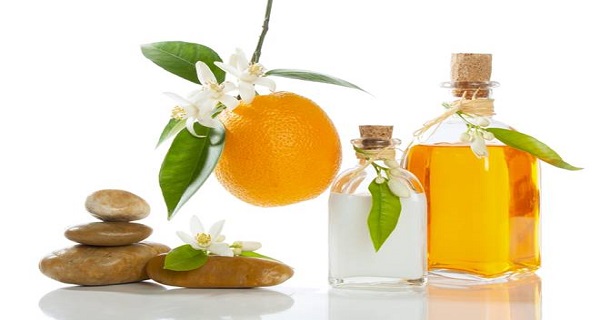
There are quite a few essential oils used in “aromatherapy” that are renowned for their fragrance. One such oil is “Neroli” which is extracted from flowers of the “bitter orange tree”. Now, this oil apart from its “aroma” is also renowned for its beneficial medicinal properties. So, here is presenting a few essential facts about this oil that one needs to understand before applying it.

a. The origins of “Neroli Oil” and the extraction process used:

The oil is basically extracted from the flowers of a tree belonging to the “Citrus aurantium” species in the plant kingdom. Furthermore, this oil is derived using the process of “steam distillation”.

b. The availability of the “Neroli Oil”, and the precaution needed to be taken while extracting it:

The “bitter orange tree” from which this oil is extracted can be mainly found on the eastern coast of Africa and in tropical Asia.  In addition, it can also be found in the Mediterranean regions as well as in places such as Florida and California in the United States of America.

The tree from which this oil is derived usually blooms in May, and is capable of producing about 60 pound of fresh flowers.  In terms of extracting the oil from the flower of the tree, timing plays an important role. And so, as soon as the flowers are plucked from the tree the oil must be obtained so as to avoid a loss of potency. Furthermore, in order to derive good quality oil, the fruit used must be handpicked without it being damaged.

c. The chemical components of the “Neroli Oil”:

Similar to several other essential oils, Neroli also comprises of a number of organic compounds that includes linalool (28.5 percent), linalyl acetate (19.6 percent), nerolidol (9.1 percent), E-farnesol (9.1 percent), α-terpineol (4.9 percent) and limonene (4.6 percent).

d. The major benefits of using “Neroli Oil”:

In “aromatherapy” most of the essential oils when used provides for a number health related benefits. And so there are a number of benefits to health that one can acquire by using “Neroli Oil” too. They are as follows:

  1. Suppression of Inflammation and Pain:

According to a scientific report published in the “Journal of Natural Medicines” this oil comprises of organic compounds that possess properties that enable the suppression of inflammation and pain. Furthermore, the study also found that this oil when used was capable of reducing central and peripheral sensitivity.

  1. Reduction of Menopausal stress and symptoms:

When inhaled this oil helps in reducing “menopausal” symptoms in women who in terms of age are in their 40’s/50’s. In addition, it also helps in increasing sexual desire, reducing stress, and reducing blood pressure in women experiencing the “postmenopausal” stage.

  1. Reduction of cortisol release and blood pressure:

This oil when used helps in reducing the release of the hormone known as “cortisol”, which leads to decrease in blood pressure, and thereby helps in reducing stress within an individual.

  1. Antimicrobial and Antioxidant properties exhibition:

This oil when used exhibits “antimicrobial and antioxidant” properties, and thereby helps by destroying disease causing microorganisms as well as it inhibits the process of oxidation by neutralizing harmful free radicals.

  1. Serves as an “anti-aging” agent:

When used this oil acts at the cellular level on the skin, and thereby helps suppressing wrinkles.

  1. Serves as an “anti-seizure and anti-convulsant agent”:

This oil when used helps in suppressing “seizures and convulsions” and thereby serves as an anti-convulsant and anti-seizure agent.

e. The “Neroli Essential Oil” Recipe:

This essential oil can blend well with several others such as chamomile, clary sage, coriander, frankincense, geranium, ginger, grapefruit, jasmine, juniper, lavender, lemon, mandarin, myrrh, orange, palmarosa, petitgrain, rose, and sandalwood. Now, this oil when mixed with water also blends well and produces a body/ room spray. The recipe for a homemade “Neroli” body and room spray is as follows:

  1. Ingredients: Includes 0.5 cup distilled water and 25 drops of Neroli Oil.
  2. Method of Preparation:
  • Mix the oil along with the 0.5 cup water
  • Shake vigorously

f. The possible “adverse reactions” of Neroli Oil:

Like most essential oils, “Neroli” too comprises of a few adverse effects which are as follows:

  1. This oil when used can cause skin irritation especially in individuals having sensitive skin, and hence must be used with care.
  2. This oil usage could also lead to lack of concentration in an individual, and hence must be used carefully.
  3. The use of this oil could lead to excessive sleepiness due to its sedative nature, and hence must be handled with care.

In conclusion, it would be safe to say that “Neroli” oil is aromatic in nature, and exhibits useful medicinal properties such as “antioxidation and antimicrobial” when used.

image credit

5 Benefits of using “Marjoram Oil”

0

In the field of “aromatherapy” there are a number of essential oils comprising of varied medicinal properties.  One such oil commonly used is known as Marjoram. This oil is extracted from the leaves of a perennial herb belonging to the “Origanum majorana” species. Furthermore, this oil comprises of a number of medicinal properties that are beneficial to health. So, here is presenting “5” major benefits that one can gain by using “Marjoram Oil”.

a. Analgesic:

This oil when used helps in reducing pain caused by headaches, sprains, colds and thereby serves as an analgesic.  In addition, on using this oil unlike other analgesics there are no adverse side effects involved. Furthermore, this oil can also be used to relieve pain from overexertion of muscles as well as from toothaches.

b. Antispasmodic:

This oil functions by “inhibiting spasms”, and thereby serves as an antispasmodic. Furthermore, when used it helps in relieving spasms from the respiratory system, intestines, and muscular spasms in the limbs. In addition, this oil also helps in resolving conditions such as spasmodic cholera, convulsions, pulled muscles, and cramps.

c. Antiviral:

This oil when used exhibits a strong “antiviral” property. So it helps in inhibiting the growth of viruses by enabling the prevention of viral infections such as common cold, influenza, mumps, measles, and even pox.

d. Antiseptic:

This oil when used helps in the treatment of internal and external wounds by enabling the destruction of disease causing microbes, and thus serving as an antiseptic. In addition, it basically helps in   protecting the wounds from conditions such as sepsis and tetanus.

e. Antibacterial:

This oil helps in the destruction of bacteria when used, and serves as an antibacterial. Furthermore, this oil helps in preventing bacterial infections causing food poisoning, typhoid, malaria etc. In addition, it also helps in preventing infections affecting systems such as the digestive and urinary.

image credit

3 Best Essential Oils For “Hormonal Balance”

0

Hormones are signaling molecules that play a major role in regulating activities that occur in the body such as digestion, respiration, metabolism etc. Now, since hormones serve basically as a “body regulator”, it becomes important that a “hormonal balance” is maintained.  And the best way to maintain the balance of hormones such as progesterone, estrogen etc within the body is by using “essential oils”. So, here is presenting a list of “3 essential oils” used in “aromatherapy” that help in maintaining “hormonal balance” within the human body.

a. Clary Sage Oil:

Derived from the herb known as “Clary Sage”, this oil when used helps in maintaining “hormonal balance” within the body. According to results of a study published in the “Journal of Phytotherapy Research” in 2014, it was found that this oil when used helped improve the levels of Thyroid Stimulating Hormone (TSH) by reducing “cortisol” levels in the body. In addition, this study also found that when used, this oil by significantly reducing cortisol levels exerted an “anti-depressant” effect, thus improving the overall mood of the individual. This oil usage also helps in balancing the production of hormones such as estrogen in the body.

b. Thyme Oil:

Obtained from the herb belonging to the “Thymus vulgaris” species within the plant kingdom, this oil is said to possess a property that enables the balancing of the progesterone hormone within the body. According to research conducted, this oil when used helps in increasing progesterone levels in both males and females. Furthermore, by stimulating the increase in progesterone this oil helps prevent serious health issues such as infertility and depression.

c. Sandalwood Oil:

Extracted from trees belonging to the “Santalum” genus in the plant kingdom, this oil is renowned for maintaining the balance of “testosterone” hormone in both males as well as females. Furthermore, when used this oil helps stimulate increase in “testosterone” levels especially in males possessing low libido. This oil can best be administered within individuals possessing low levels of testosterone by using it as an additive in deodorants or lotions made at home.

And so in conclusion, it would be fair to state that the three essential oils mentioned above are the best options available in “aromatherapy” for all those individuals in need of “testosterone stimulation”.

image credit

7 Top Essential Oils Used In “Hair Care”

0

In terms of resolving issues concerning “Hair” there are quite a few effective fields available within medical science that a human can try. Now, one such field that can prove to be extremely useful in treatment of hair is “aromatherapy”, via the use of essential oils. So, here is presenting a list of “7” essential oils used commonly in “aromatherapy” that plays a major role in “Hair Care”.

a. Lavender Oil:

Renowned for its “antimicrobial property”, this oil when used is said to exert a “hair growth promoting effect”. Furthermore, according to an animal study conducted in 2016, this oil when applied is supposed to have stimulated the increase in the number of hair follicles in the female mice that was used as a subject in the experiment.  In addition, this oil can also be used in the treatment of bacterial and fungal infections.

b. Rosemary Oil:

When used this oil is capable of stimulating “cellular metabolism”, thereby promoting hair growth and thickness. Furthermore, a research conducted has shown evidence that this oil when used helps in the prevention of hair loss. In addition, this oil also helps in preventing “balding” as well as the “graying” process of hair.

c. Chamomile Oil:

Extracted from a plant known as “Chamomile”, this oil when used helps in adding “shine and softness” to one’s hair. In addition, this oil also exerts a soothing effect on the hair scalp when used. Furthermore, this oil when used along with salt obtained from the sea, and water, helps in lightening the hair.

d. Cedarwood Oil:

Derived from the “Cedar” tree, this oil helps stimulating blood circulation within the scalp thereby increasing the growth of hair follicles.  Furthermore, this oil helps in promoting the growth of hair as well as stimulating the inhibition of hair loss. Thus, this oil when used also helps in the treatment of several types of “alopecia” i.e.  Permanent hair loss from the scalp.

e. Clary Oil:

Extracted from the “bud and leaves” of a plant known as “Clary Sage”, this oil when used helps in reducing hair loss. Furthermore, when used this oil helps reducing three types of loss of hair namely, telogen effluvium, trichotillomania, and alopecia areata. It must also be noted that, since this oil is capable of reducing “cortisol” levels in the body when used, it helps in preventing “stress induced” hair loss.

f. Lemongrass Oil:

Obtained from a plant belonging to the “grass” family, this oil when used helps in the strengthening the hair follicles. Furthermore, according to a study conducted in 2015, it was found that this oil helped reduce “dandruff” greatly. In addition, it was found that this oil when applied was the most effective in reducing dandruff after fourteen days.

g. Peppermint Oil:

Extracted from a plant that is basically a cross between a “watermint and spearmint”, this oil when used helps in the promotion of hair growth. According to a study carried out in 2014, this oil when applied showed significant effect on hair after a period four weeks. Furthermore, the effects observed during this experiment included increased dermal thickness, follicle number, and follicle depth.

In conclusion, it would be right to state that the seven essential oils discussed above when applied prove to be extremely useful in maintaining healthy hair.

image credit

5 Essential Oils Used In Daily Life

0

An essential oil in the field of “aromatherapy” forms a major component. Now, there exist many essential oils that consist of varied medicinal properties.  However, there are only few such oils available in the world today that can be used on a daily basis. So here is presenting a list of “five” essential oils that are used daily in life regularly.

a. Lemon Oil:

Extracted from a fruit belonging to the “Citrus” family, this oil is frequently used for its antibacterial, antiviral, and antihistaminic properties. Apart from its curative properties this oil is also used in “cleaning products” used at home due to its pleasant aroma. In addition, since this oil is “aromatic” it can also be used as a “flavouring agent” in food.

b. Peppermint Oil:

Derived from a plant belonging to the “Mint” family, this oil is renowned for treating conditions such as indigestion, headache, nausea, and fever. In addition, due to its pleasant aroma this oil can also be used as a “flavouring agent” in food.  Furthermore, when used it also helps in increasing “mental sharpness” in an individual, and is also helps in “reenergizing”.

c. Lavender Oil:

Renowned for a pleasant “aroma”, and extracted from the flowers of the Lavender plant, this oil is known to stimulate blood circulation and helps in treating respiratory problems. In addition, due to its aroma it is also used in the manufacturing of many home made “beauty products”. Furthermore, it is also used along with “peppermint oil” in the treatment of bug bites.

d. Oregano Oil:

Extracted from the leaves of a perennial herb known as “Oregano”, this oil is renowned for its disinfectant and antibacterial properties. Furthermore, this oil is also used to prevent food degradation.  In addition, due to its “antimicrobial” properties it is regularly used in the treatment of skin infections or wounds.

e. Clove Oil:

Obtained from a “flower bud” of an evergreen tree called “Clove”, this oil renowned for its “aroma” is commonly used in dental care. Furthermore, this oil is also used in treatment of conditions such as indigestion, cough, asthma, headaches, tooth aches, and skin issues.  This oil apart from medicinal purposes is also commonly used as a “flavouring agent” in Indian and Chinese cuisine.

In conclusion, it would be appropriate to state that all these “five” essential oils mentioned above have been frequently used in daily life by many people around the world for years now.

image credit