Home Blog Page 11

Fenugreek Oil

0

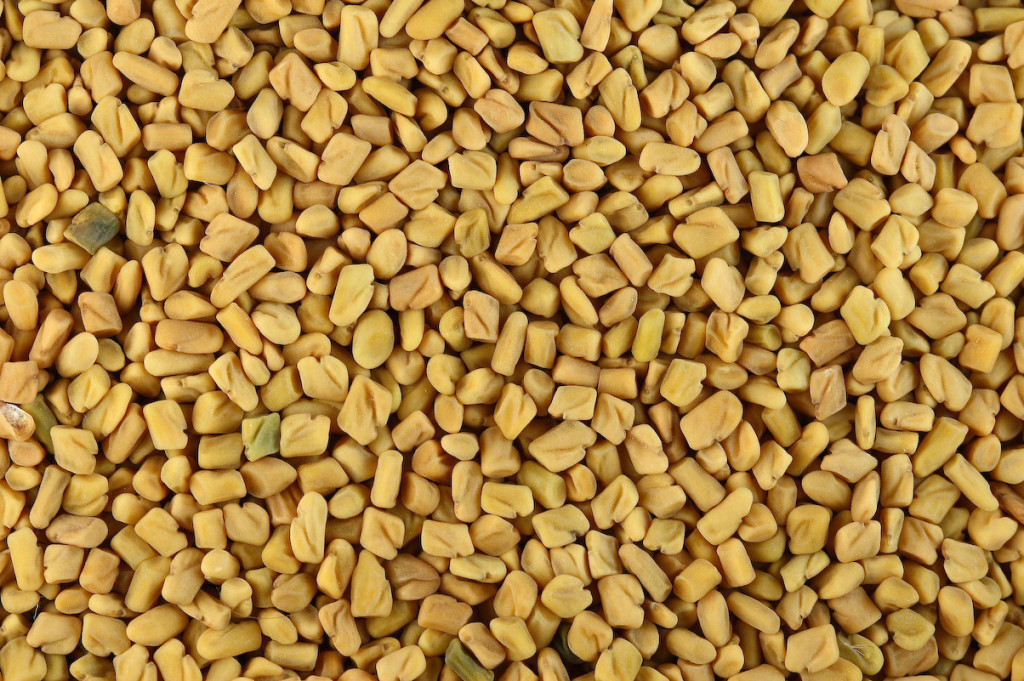
Obtained from seeds of a plant belonging to the “Fabaceae” is an essential oil known as Fenugreek Oil. This oil is extracted from a plant called “Fenugreek” belonging to a species known as “Trigonella foenum graecum” in the plant kingdom. Furthermore, this oil is extracted from the plant using the “steam distillation” process. In addition, this oil is known to promote digestion, induce labour, and reduce blood sugar level in individuals suffering from diabetes.

A. Chemical constituents of Fenugreek Oil:

This oil is extracted from a plant called “Fenugreek” which belongs to a species known as “Trigonella foenum graecum” in the plant kingdom.  In addition, this oil comprises of protein, dietary fiber, vitamin B, iron, and other minerals.

B. The uses and benefits of Fenugreek Oil:

There are a number of benefits one can acquire by using this essential oil. However, one should also consider the adverse reactions or side effects reported from its use:

1. Expectorant:

This oil comprises of curative properties that helps in expelling waste products such as mucus and phlegm formed within the respiratory system from the body.

2. Anti-diabetic:

This oil when used helps in reducing blood glucose levels and thereby helps in the treatment of diabetes mellitus.

3. Skin care:

This oil when used also helps in resolving issues related to skin irritation or allergies.

4. Anti-inflammatory:

This oil also functions as an “anti-inflammatory” agent by enabling the suppression of inflammation in the form of mouth ulcers, boils etc that is formed in the body.

5. Digestive:

This oil also serves as a “digestive” when used by ensuring a normal peristaltic movement in the intestines.

C. The adverse effects of the Fennel seed oil:

There are a couple of adverse effects that the use of this oil could result in. These effects are as follows:

  1. The use of this oil could lead to hypoglycemia, and hence must be used carefully.
  2. The excessive usage of this oil could also lead to adverse uterine contractions in women, and therefore pregnant women must avoid using it.
  3. The using of this oil could cause allergic reactions such as rash, hives, breathlessness etc in a number of individuals.
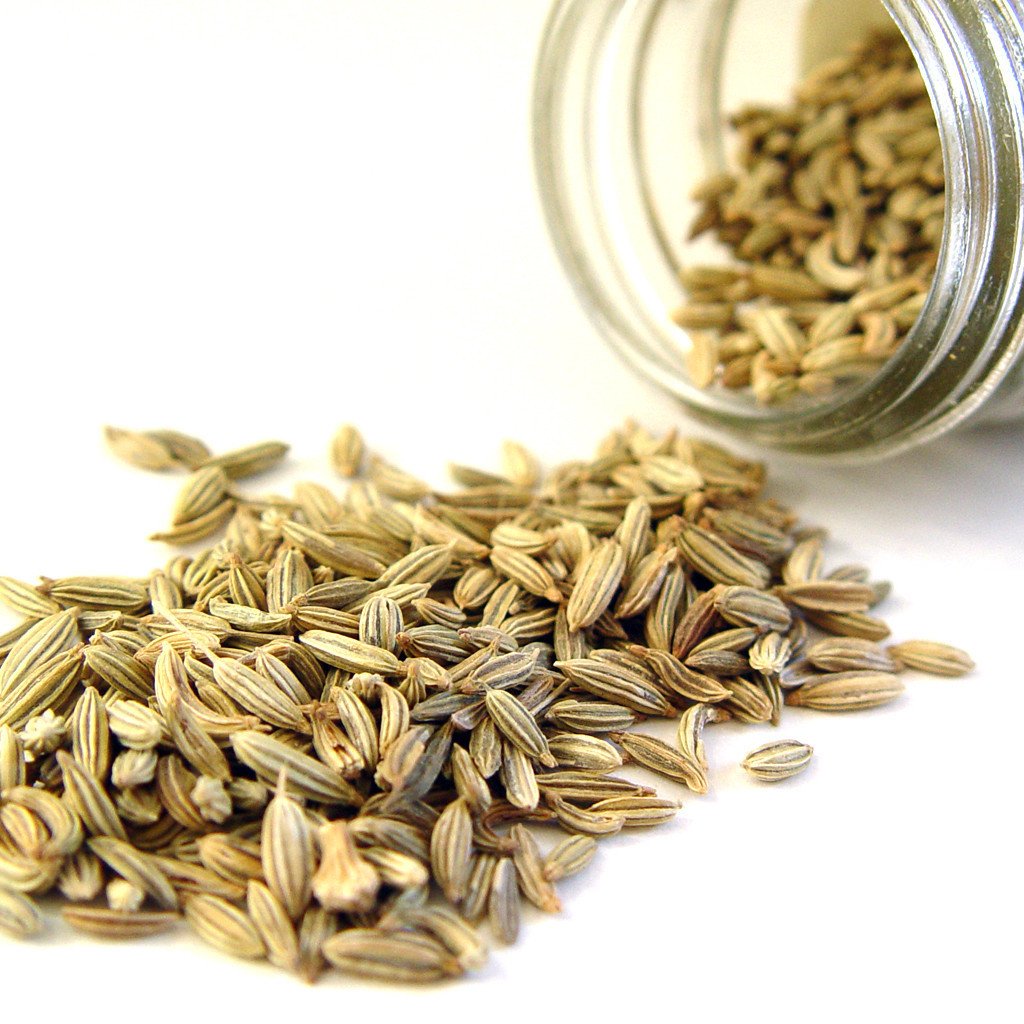

image credit

Fennel Seed Oil

0

Derived from a plant belonging to the “carrot” family is an essential oil known as Fennel Seed Oil. This oil is extracted from a perennial herb belonging to the “Foeniculum vulgare” species in the plant kingdom. Furthermore, this oil is extremely aromatic, and hence is commonly used as flavouring agent in food. In addition, this oil is obtained from crushed fennel seed using the “steam distillation” process.

A. Chemical constituents of Fennel Seed Oil:

The oil is extracted from seeds of a plant that belongs to the “Foeniculum vulgare” species in the plant kingdom. In addition, this oil mainly comprises of an organic compound called Foeniculoside which basically is a glucoside.

B. The uses and benefits of Fennel Seed Oil:

There are a number of benefits to using this essential oil. However, one should also consider the adverse reactions or side effects reported from its use:

1. Antiseptic:

This oil when used is capable of treating internal and external wounds by destroying disease causing microorganism.

2. Antispasmodic:

This oil also possesses a curative property that helps in relieving spasms in the muscles, respiratory tract, intestines, or nerves, and thereby serves as an antispasmodic.

3. Digestive:

This oil when used is also capable of maintaining a healthy digestive system by enabling good intestinal peristaltic movements.

4. Carminative:

When used this oil is also capable of resolving the issue of gas formation i.e. flatulence within the GI system, and thereby serving as a carminative.

5. Diuretic:

This oil also consists of a “diuretic” property which enables the removal of waste products such as kidney stone, excessive fat from the body by stimulating urination.

C. The adverse effects of Fennel seed Oil:

There are a number of adverse effects that may occur when this oil is used. They are as follows:

  1. This oil when used can severely damage pregnancy, and hence pregnant women must avoid using it. In addition, this oil is also harmful to women with breast and uterine cancer.

This oil when used in a large dose can elicit a narcotic effect in an individual resulting in symptoms such as convulsions, hallucinations, and mental imbalance.

image credit

Eucalyptus Oil

0

Extracted from a “leaf” of a plant belonging to “Myrtaceae” family is an essential oil known as Eucalyptus Oil. This oil is derived from a leaf of plant belonging to the “Eucalyptus globulus” species within the plant kingdom. Furthermore, this oil is obtained from the leaf using the “steam distillation” process. In addition, the eucalyptus tree is mainly found in Australia. However, over the years it has also been found in India, Europe, and South Africa.

A. Chemical constituents of Eucalyptus Oil:

This oil is extracted from the leaf of the “Eucalyptus” plant belonging to the “Eucalyptus globulus” species within the plant kingdom. Furthermore, this oil mainly consists of an organic compound known as “cineole” i.e. about 70% content. In addition, it also consists of organic compounds such as piperitone, phellandrene, citral, methyl cinnamate, and geranyl acetate.

B. The uses and benefits of Eucalyptus Oil:

There are a quite a few benefits that one can reap by using this essential oil. However, one should also consider the adverse reactions or side effects reported from its use:

1. Antiseptic:

This oil basically is “antiseptic” in nature and helps in the treatment of internal and external wounds by destroying disease causing microorganism.

2. Decongestant:

This oil consists of a property that helps clearing congestion formed within the lungs, and thereby serves as a decongestant.

3. Anti-fungal:

This oil when used also helps in inhibiting the growth of viruses, and thereby serves as an anti-fungal agent.

4. Anti-viral:

This oil also comprises of a curative property that inhibits the growth of virus, and thereby helps in treatment of conditions such as bronchitis.

5. Anti-inflammatory:

This oil when used acts as an “anti-inflammatory” agent by suppressing inflammation or swelling.

C. The adverse effects of the Eucalyptus Oil:

There are number of adverse effects that might occur when this oil is used. These effects are as follows:

  1. The use of this oil in large doses could prove to be toxic, and hence it is must be handled with care.
  2. The oil must not be used by individuals undergoing homeopathic treatment since it could interfere with the medications used in the treatment.
  3. The use of this oil could cause airborne contact dermatitis especially within an individual possessing allergic sensitivity.

image credit

Elemi Oil

0

Extracted from a tree found in the tropical forests in Philippines is an essential oil known as Elemi Oil. This oil is derived from tree called “Elemi” belonging to a species known as “Canarium Luzonicum” within the plant kingdom. Furthermore, this oil is obtained from the gum of the tree using the “steam distillation” process. In addition, it is commonly used in the manufacturing of soaps, cosmetics, perfumes, and paints.

A. Chemical constituents of Elemi Oil:

This oil is extracted from the gum of tree called “Elemi” found mainly in Philippines and belonging to a species known as “Canarium Luzonicum” within the plant kingdom. In addition, this oil comprises of organic compounds such as dipentene, elemicine, elemol, limonene, phellandrene, and terpineol.

B. The use and benefits of Elemi Oil:

There are a number of health benefits that one can acquire by using this oil. However, one should also consider the adverse reactions or side effects reported from its use:

1. Antiseptic:

This oil comprises of an “antiseptic” property which helps in the treatment of internal and external wound by destroying disease causing microorganism.

2. Analgesic:

This oil also functions by providing relief from pain produced by colds, fever, sprains etc, and thereby serves as an analgesic.

3. Expectorant:

This oil when used also helps in expelling waste material such as mucus and phlegm formed within the respiratory system out from the body, and thereby serves as an expectorant.

4. Stimulant:

This oil consist of a property that promotes the stimulation of the body system by promoting normal blood circulation, secretion of hormones and enzymes, secretion of bile and gastric juices into the stomach etc.

5. Digestive:

This oil when used also possesses a property that helps maintaining normal digestion by stimulating the appropriate secretion of digestive juices such as gastric juice and bile in the stomach.

C. The adverse effects of Elemi Oil:

There is one major adverse effect that could occur on using this essential oil. This effect is as follows:

  1. The use of this oil could lead to skin irritation especially in those individual having sensitive skin.

image credit

Elecampane Oil

0

Derived from a plant belonging to the “Sunflower” family is an essential oil known as Elecampane Oil. This oil is extracted from a plant known as “Elecampane” belonging to a species known as “Inula helenium” within the plant kingdom. Furthermore, this oil comprises of“camphor like odour”. According to popular legend, this oil is said to have been first obtained from a site where the Helen of Troy is supposed to have shed tears. In addition, this essential oil is mainly extracted from either the root or the leaves of the plant.

A. Chemical constituents of the Elecampane Oil:

This oil is derived from the roots or the leaves of the plant known as “Elecampane” belonging to a species known as “Inula helenium” within the plant kingdom. In addition, this oil also comprises of organic compounds such as polysaccharide insulin, and helenin.

B. The use and benefits of Elecampane Oil:

There are a number of benefits to using this essential oil. However, one should also consider the adverse reactions or side effects reported from its use:

1. Immunity:

Due to the presence of antibacterial and antimicrobial properties this oil when used helps in stimulating the immunity system of the body, and thereby protects it from various bacterial or viral infections.

2. Diuretic:

This oil also comprises of a property that helps in flushing out waste materials such as kidney stone, excess fat from the body by promoting urination, and thereby serves as a diuretic.

3. Digestive:

This oil when used helps in maintaining a healthy digestive system by stimulating the increase of digestive juices such as gastric juice and bile, and thereby ensures normal digestion.

4. Expectorant:

This oil also comprises of a property that enables the removal of waste material such as mucus and phlegm formed in the respiratory system from the body, and thereby serves as an expectorant.

5. Antiseptic:

When used, this oil also helps in the treatment of internal and external wounds by stimulating the destructing the disease causing microorganism, and thereby serves as an antiseptic.

C. The adverse effects of Elecampane Oil:

There are a couple of adverse effects that could occur when this oil is used. These effects are as follows:

  1. The use of this oil could lead to allergic reactions on the skin especially in those individuals who possess sensitive skin.

The usage of this oil may also be extremely harmful to pregnancy, and hence pregnant women must avoid using it.

image credit

Dill Oil

0

Extracted from seeds or stems/leaves of a plant is an essential oil known as Dill Oil. This essential oil is derived from plant known as “Dill” which belongs to the “Anethum graveolens” species within the plant kingdom. Furthermore, this oil comprises of a “grass like” aroma, and is pale yellow in colour. In addition, with regards to its viscosity this oil is as fluid as water. This oil is extracted from the plant using the process of “steam distillation”.

A. Chemical constituents of Dill Oil:

This oil is basically extracted from the seeds or stems/leaves of a plant known as “Dill” and belongs to the “Anethum graveolens” species within the plant kingdom. In addition, this oil also consists of organic compounds such as D-Carvone, Dillapiol, Eugenol, Limonene, Terpinene and Myristicin.

B. The use and benefits of Dill Oil:

There are a number of benefits to using Dill Oil. However, one should also consider the adverse reactions or side effects reported from its use:

1. Antispasmodic:

This oil when used consists of a curative property that when used helps in suppressing muscle spasms occurring in the respiratory tract, intestines, muscles, or nerves and thereby serves as an antispasmodic.

2. Digestive:

This oil also serves as a “digestive” by stimulating the secretion of digestive juices such as gastric juice, bile in the stomach and thereby ensuring normal digestion.

3. Carminative:

This oil when used also helps in relieving “gas” i.e. flatulence that is formed in the GI system, and thereby serves as a carminative.

4. Antiseptic:

This oil also possesses “antiseptic” property which enables the destruction of disease causing microorganism, and helps in the treatment of external as well as internal wounds.

5. Anti-anxiety:

“Providing relief from anxiety” by stimulating a calming effect on the central nervous system is yet another property that this oil exerts when used.

C. The adverse effects of Dill Oil:

There is one major adverse reaction that could occur on using this oil. It is as follows:

  1. This oil when used can be severely harmful to pregnancy, and hence pregnant women must avoid using it.

image credit

Davana Oil

0

It is from an aromatic herb that the essential oil known as Davana (Sanskrit name) has been extracted from. This oil is derived from an aromatic herb which belongs to the “Artemisia pallens” species within the plant kingdom. Furthermore, this oil is extracted from the flowers and leaves of this small herb using a process known as “steam distillation”. This oil is also commonly used in the manufacturing of perfumes as a “flavouring agent”. In addition, this oil and plant is extremely popular in India, and has also been used for religious purposes.

A. Chemical constituents of Davana Oil:

This oil is basically extracted from a small herb known as “Davana” which belongs to a species known as “Artemisia pallens” within the plant kingdom. In addition, this oil consists of organic compounds such as Davanone, davan ether, davana furana, and linalool.  Furthermore, compounds such as methyl cinnamate, ethyl cinnamate, bicyclogermacrene, farnesol, 2-hydroxyisodavanone, geranyl acetate, sesquiterpene lactones, and germacranolides are also found in this oil.

B. The uses and benefits of Davana Oil:

There are a number of benefits involved in using this oil. However, one should also consider the adverse reactions or side effects reported from its use:

1. Antiviral:

This oil possesses a property which enables the destruction of viruses, and thereby serves as an antiviral agent.

2. Antiseptic:

When used this oil helps in destroying diseases causing microbes and enables the treatment of internal and external wounds, and thereby serves as an antiseptic.

3. Expectorant:

This oil consists of a property that helps in expelling out cough and phlegm formed from within the respiratory tract, and thereby serves as an expectorant.

4. Hypotensive:

This oil comprises of a curative property that enables the lowering of blood pressure level, and therefore serves as a hypotensive.

5. Emenagogue:

When used this oil also helps in maintaining normal periods in a woman by opening up blocked menstruation cycle.

C. The adverse effects of the Davana Oil:

There are a couple of adverse effects that may occur on using this oil. They are as follows:

  1. The use of this oil could lead to skin irritation especially in those individuals who have sensitive skin.

The use of this oil (like several others) can severely affect pregnancy, and thus pregnant women must avoid using it.

image credit

Curry Leaf Oil

0

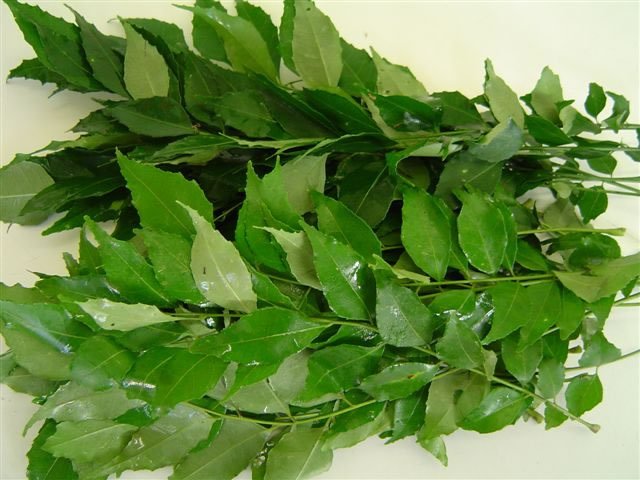
Obtained from a “sub-tropical tree” is an essential oil known as Curry Leaf Oil. This oil is extracted from “Curry Tree” belonging to the “Murraya koenigii” species in the plant kingdom. Furthermore, this oil is renowned for its “aromatic” flavour, and is extracted by using the “steam distillation” process. This oil is also commonly used in the manufacturing of soap, body lotions, body fragrance, perfumes, bath and massage oils etc. In addition, this oil also known to possesses anti-diabetic properties.

A. Chemical constituents of the Curry Leaf Oil:

This oil is extracted from a “sub-tropical tree” called Curry which belongs to “Murraya koenigii” species in the plant kingdom. In addition, this oil comprises of several organic compounds such as alkaloids, mahanimbine, grinimbine, carbazole alkaloids, and cinnamaldehyde.

B. The uses and benefits of the Curry Leaf Oil:

There are a number of benefits to using this essential oil. However, one should also consider the adverse reactions or side effects reported from its use:

1. Antimicrobial:

This oil possesses an “antimicrobial” property which enables the inhibition of the growth of microorganisms, and thereby serves as an antimicrobial agent.

2. Antifungal:

This oil when used is capable of destroying a variety of fungal species, and thereby serves as an antifungal agent.

3. Antioxidant:

This oil also comprises of an “antioxidant” property, helps contracting muscles and tissues and thus enables the strengthening of hair.

4. Anti-diabetic:

It also consist of a property that helps maintaining the glucose levels in the blood in an individual suffering from diabetes mellitus, and thereby serve as an anti-diabetic.

5. Carminative:

This oil possesses a property that helps resolving the issue of flatulence i.e. gas formation within the GI system, and thereby serves as a carminative.

C. The adverse effects of the Curry Leaf Oil:

There are a number of adverse effects that could occur on using this oil. They are as follows:

  1. This oil when used can be harmful to individuals possessing history of allergies, and hence they must avoid using this oil.
  2. The use of this oil could severely harm pregnant women, and hence they must avoid using it.

image credit

Cypriol Oil

0

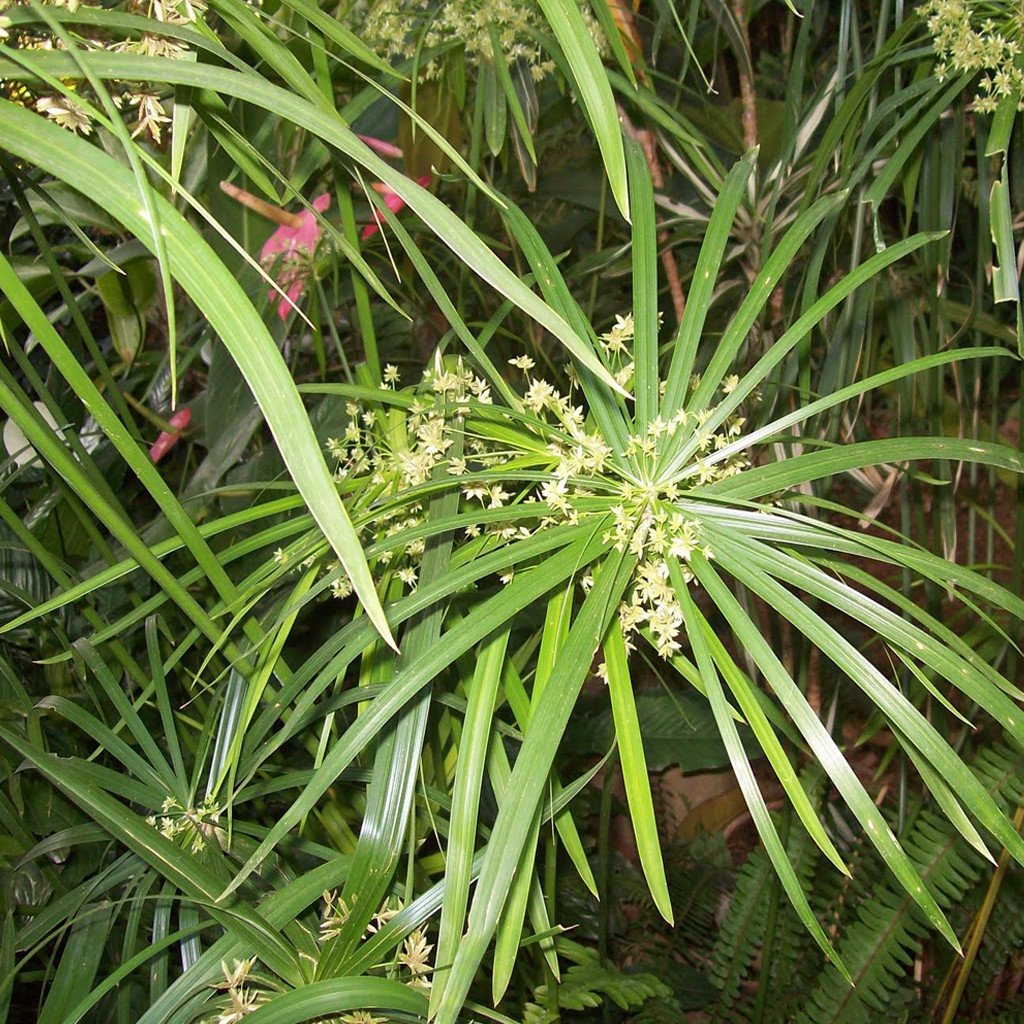
Derived from a plant that is usually grown in the wild is an essential oil known as Cypriol Oil. This oil is basically extracted from a plant known as “Cypriol” belonging to the “Cyperus Scariosus” species in the plant kingdom. Furthermore, this oil is regularly used in aromatherapy. In addition, this oil is extracted from the root of the plant using the “steam distillation” process. This oil is basically amber in colour, viscous in thickness, and possesses a cinnamon like odour.

A. Chemical constituents of the Cypriol Oil:

This oil is extracted from a plant called “Cypriol” belonging to the “Cyperus Scariosus” species within the plant kingdom. In addition, this oil basically comprises of an organic compound known as cyperene.

B. The uses and benefits of the Cypriol Oil:

There are several benefits to using this essential oil. However, one should also consider the adverse reactions or side effects reported from its use:

1. Carminative:

This oil consists of a property that helps in resolving issues created due to gas formed within the GI system i.e. flatulence, and hence serves as a carminative.

2. Digestive:

This oil also helps in digestion when used by enabling the maintenance of normal peristaltic movements within the intestines.

3. Diuretic:

By flushing waste materials from the body such as kidney stone, excessive fat etc and increasing urination this oil when used serves as a diuretic.

4. Anti-inflammatory:

This oil possesses a property that helps in suppressing inflammation and swelling, and thereby serves as an anti-inflammatory agent.

5. Hypotensive:

This oil consists of a property that enables the lowering of the blood pressure, and thereby serves as a hypotensive.

C. The adverse effects of the Cypriol Oil:

There is a major adverse effect that could occur on using this oil. It is as follows;

The use of this oil (like several others) severely affects pregnancy, and hence must not be used by pregnant women.

image credit

Cypress Oil

0

Derived from a conifer tree belonging to the “cypress” family is an essential oil known as Cypress Oil. This oil is extracted from a conifer tree known as “Cypress” belonging to the “Cypress sempervirens”.  Furthermore, this oil is extracted from the twigs, stems, and needles of the tree using a process known as “steam distillation”. In addition, this oil when used is capable of restricting the oozing out of excessive sweat. This oil also helps females by enabling the reduction of heavy menstruation and excessive bleeding.

a. Chemical constituents of the Cypress Oil:

This oil is extracted from a conifer tree known as “Cypress” which belongs to the “Cypress sempervirens” species within the plant kingdom. In addition, this oil comprises of organic compound that includes Alpha Pinene, Beta Pinene, Alpha Terpinene, Bornyl Acetate, Carene, Camphene, Cedrol, Cadinene, Sabinene, Myrcene, Terpinolene, and Linalool.

b. The uses and benefits of the Cypress Oil:

There are a number of benefits to using this oil. However, one should also consider the adverse reactions or side effects reported from its use:

1. Astringent:

This oil possesses a curative property that prevents the loosening of the skin and muscles by enabling contraction, and thereby serving as an astringent.

2. Antiseptic:

This oil also comprises of “antiseptic” property which enables the treatment of internal as well as external wounds by destroying disease causing microorganism.

3. Antispasmodic:

Providing relief from “spasms” in the body is how this oil functions when used, and thereby serves as an antispasmodic.

4. Diuretic:

This oil when used can also help in flushing out waste materials from the body such as kidney stone, and thereby serve as a diuretic.

5. Sudorific:

This oil when used also helps stimulate perspiration or sweating making an individual feel much lighter as well as enabling the removal of toxins from the body.

c. The adverse effects of the Cypress Oil:

Apart from the benefits there is basically one major adverse effect that could rise on account of using this oil. It is as follows:

The use of this oil (similar to many others) is severely harmful to pregnancy, and hence pregnant women must avoid using it.

image credit